
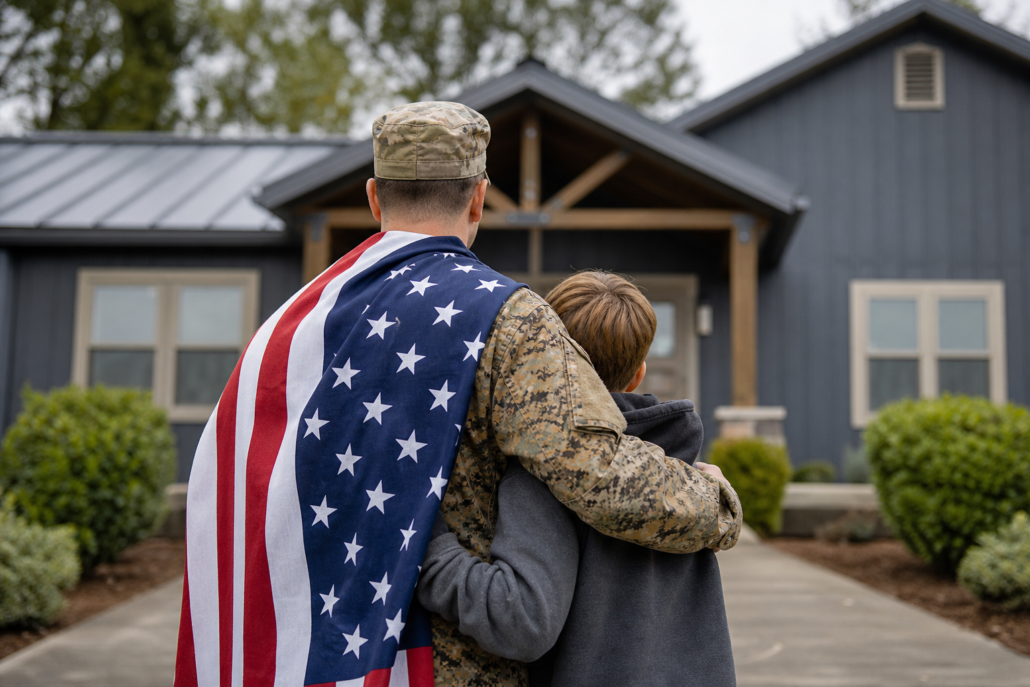
Temporary Housing Solutions for Veterans Facing October Eviction Risks
Understanding Your Rights and the October Eviction Landscape
October brings more than autumn leaves for many veterans. For those facing housing instability, this month often marks the start of a critical period when eviction notices arrive, rental assistance programs shift, and the pressure to find temporary housing solutions becomes urgent. If you’re a veteran (or the family member of one) staring down potential homelessness, you’re not alone. And there are concrete steps, legal protections, and resources available right now that can change the trajectory of your situation.
The landscape of eviction protection has shifted dramatically in recent years. Understanding what safeguards exist, what they cover, and how quickly you need to act is the difference between losing your home and stabilizing your housing. This section walks you through the legal terrain, the resources designed specifically for service members, and the immediate actions that matter when the clock is ticking.
How recent eviction moratorium changes affect veterans
The federal eviction moratorium that protected millions of Americans during the pandemic ended in 2021, and state and local protections have been rolling back ever since. For veterans, this means the cushion that once existed has largely disappeared. Landlords can now move forward with eviction proceedings much faster than before, and the burden of proof has shifted significantly.
What does this mean in practical terms? A missed rent payment that might have triggered a 90-day notice process a few years ago now could lead to legal action within 30 days in many states. Some jurisdictions have reinstated specific protections for active-duty military families and service-connected disabled veterans, but these vary dramatically by location. California, for instance, offers stronger tenant protections than other states, while some southern and rural areas have minimal safeguards.
The timing of October matters. Fall rental markets shift as summer leases expire and winter approaches. Property managers and landlords often accelerate collections before the holidays when their own expenses increase.
For veterans already stretched thin by medical costs, service-related disabilities affecting employment, or the transition from military to civilian work, this creates a perfect storm. The emergency is real, and the window to act is narrower than it used to be.
Legal protections available to service members and their families
Despite the broader erosion of eviction protections, veterans have specific legal safeguards that landlords and courts must recognize. The Servicemembers Civil Relief Act (SCRA) provides concrete protections for active-duty military personnel and their dependents. Under SCRA, a landlord cannot evict a service member without a court order, and courts must consider whether the service member’s inability to pay rent results from military service.
For veterans (those no longer on active duty), the landscape depends on where you live. Some states have created veteran-specific tenant protections or rent assistance programs. The VA also offers resources through its homeless prevention initiatives. Additionally, many communities have local veteran advocacy organizations that understand housing law specific to your area. Organizations working to support military families often provide community solutions when housing is on the line.
A lesser-known protection: if you’re receiving VA disability compensation or VA pension benefits, some states prohibit garnishment of these funds for debt collection or eviction-related judgments. This can limit a landlord’s ability to pursue you financially even after an eviction. Know your state’s rules. They matter.
Steps to take immediately if you’ve received an eviction notice
Time moves fast once an eviction notice appears. Here’s what needs to happen immediately:
- Read the notice carefully. Verify it’s legally valid, dated correctly, and delivered according to state law. Many evictions fail on procedural grounds alone. Don’t assume the notice is correct just because it came from a lawyer or property management company.
- Contact your local legal aid society or veteran legal clinic. Most areas have free or low-cost legal help for veterans. They can review your notice, identify defenses, and represent you in court. This is not optional if you lack resources.
- Reach out to local emergency housing assistance programs. Many communities have rapid-response funds specifically designed to prevent evictions. These often prioritize veterans and families in crisis. The key is reaching them within days, not weeks.
- Document everything. Gather proof of service, military discharge records, any disability ratings, and communication with your landlord. Organize your rental history and any communications about the dispute.
- Explore grants and career options. If income is the core issue, some programs provide immediate financial assistance alongside longer-term employment support to prevent future crises.
Your status as a veteran may qualify you for accelerated assistance through housing programs that aren’t available to the general population. Use that advantage. Organizations dedicated to supporting veterans understand the unique challenges service members face during transition, and many have emergency funds specifically for housing emergencies.
Emergency Housing Resources for Veterans in Crisis
VA emergency housing assistance programs and how to apply
When an eviction notice lands on your doorstep, the Department of Veterans Affairs has resources specifically designed to prevent homelessness. The VA’s emergency housing assistance programs exist precisely for moments like these, and understanding how they work can be the difference between losing your home and stabilizing your situation.
The VA’s Supportive Services for Veteran Families (SSVF) program is your primary lifeline. This initiative provides rapid rehousing assistance, security deposits, utility assistance, and moving costs to eligible veterans facing homelessness or housing instability. The program prioritizes speed, recognizing that waiting months for help isn’t an option when eviction is imminent. Applications can often be processed within days rather than weeks.
To apply, contact your local VA Medical Center or visit the VA.gov website to locate your regional SSVF provider. You’ll need documentation of your military service, proof of income, and evidence of your housing crisis (such as an eviction notice). Have these ready before you call.
The application process is straightforward, but moving quickly matters. Don’t wait until the eviction date arrives; file as soon as you receive notice of non-payment or lease violation.
Beyond SSVF, the VA’s Healthcare for Homeless Veterans program connects you with comprehensive support including temporary housing vouchers, case management, and employment assistance. If you’re already a VA healthcare beneficiary, you may qualify for immediate placement in transitional housing while longer-term solutions are arranged.
Some veterans qualify for VA aid and attendance benefits or other compensation that can directly offset rental costs. If you haven’t reviewed your full VA benefits package, now is the time. Your local Veterans Service Officer (available free through your state or county) can conduct a benefits audit to identify financial support you may not know exists.
Local and national veteran-specific shelter networks
Immediate shelter is sometimes necessary while permanent solutions are being secured. The good news is that veteran-specific shelter networks exist in most regions, and they operate differently than general homeless shelters. These facilities understand military culture, trauma, and the specific barriers veterans face.
The National Coalition for Homeless Veterans maintains a comprehensive database of veteran shelters nationwide. Search by your zip code at nchv.org to find facilities in your area. Many of these shelters offer more than just a bed; they provide meals, case management, job training, and mental health support. Some have pets policies (recognizing that many veterans won’t enter a shelter without their service animal or companion), and most maintain substance-free environments.
Organizations like operation family fund that connect you to local shelter networks and emergency assistance programs. These organizations understand the cascade of problems that eviction creates: lost employment stability, damaged credit, family stress, and the psychological toll of housing insecurity.
Contact your local Veterans Affairs office, American Legion post, or Veterans of Foreign Wars chapter. These organizations maintain relationships with shelters and can often fast-track placement. They can also advocate on your behalf with landlords, sometimes negotiating payment plans that prevent eviction entirely.
Don’t underestimate faith-based organizations either. Many churches, synagogues, and mosques have veteran-specific outreach programs and emergency housing funds. The Salvation Army provides transitional housing in most communities, and their veteran programs are particularly robust.
Rapid rehousing initiatives designed for military families
Rapid rehousing isn’t just emergency shelter; it’s an intentional pathway to permanent housing. These programs combine immediate financial assistance with intensive case management to get you from crisis to stability within months, not years.
The Department of Housing and Urban Development’s Veteran Affairs Supportive Housing (HUD-VASH) program is one of the most effective rapid rehousing initiatives in the country. It pairs VA case management with HUD rental vouchers, allowing you to secure permanent housing while receiving ongoing support. The process moves fast because the program is designed exactly for situations like yours. Applications process quickly when submitted through the VA.
Community Action Agencies in your state administer emergency rental assistance programs that often include rapid rehousing components. These agencies can provide immediate financial aid for back rent, current rent, and security deposits. Eligibility is typically income-based, and processing often happens within two weeks. Your local Community Action Agency can be found through the Community Action Partnership website.
Many rapid rehousing programs also bundle employment support with housing assistance. This matters because housing instability destroys your employment record. Employers understand veteran status, and programs like financial assistance recognize that stabilizing housing allows you to stabilize employment simultaneously.
These initiatives work because they address root causes rather than symptoms. When you’re facing October eviction, you need access to immediate emergency housing resources. Combined with rapid rehousing initiatives designed for military families, you’re not just finding a temporary fix. You’re accessing a comprehensive pathway to permanent stability.
Start today. Call your local VA office, contact SSVF, and reach out to your Veterans Service Officer. The resources exist. What matters now is putting them to work for you.
Short-Term Solutions While Securing Permanent Housing
Transitional housing programs tailored to veteran needs
When you’re facing October eviction, the goal isn’t just finding any roof overhead. It’s finding a solution designed specifically for veterans, with staff who understand military culture, the transition to civilian life, and the unique financial pressures you’re navigating. Transitional housing programs exist precisely for this purpose.
These programs typically provide housing for 6 to 24 months while you stabilize your employment and rebuild your financial foundation. Unlike emergency shelters, transitional housing offers stability, privacy, and structure. Most programs include case management support to help you secure permanent housing, locate employment, and access benefits you may have missed. The staff knows how to communicate with veterans because they’ve worked with military families before.
Many veteran-specific transitional housing programs also provide wraparound services. That means counseling, job training, financial literacy classes, and connections to local employers who actively hire veterans. Some programs work with your VA benefits to ensure you’re receiving everything you qualify for.
The comprehensive approach matters because temporary housing isn’t just about the bed. It’s about building the stability you need to stay permanently housed.
If you’re in a crisis situation right now, contact your local Veterans Service Officer. They can connect you to transitional programs in your area within days, not weeks. Many programs prioritize emergency placements during peak eviction months like October.
Extended stay options and temporary accommodation providers
Beyond formal transitional housing, there are extended stay options worth exploring. Budget hotel chains offering weekly rates, private landlords willing to negotiate short-term leases, and faith-based organizations with guest housing can bridge critical gaps while permanent solutions come together.
Some extended stay hotels specifically partner with veteran services organizations and offer discounted rates. These aren’t ideal long-term solutions, but they’re legitimate short-term stops if you need immediate placement. The advantage is speed. You can secure a room within hours, not weeks, buying time while you apply for transitional housing or permanent rental assistance.
Faith-based organizations often have guest housing specifically designated for people in crisis. Churches, temples, and synagogues in your community may offer temporary rooms at no cost or minimal cost. Don’t overlook this resource simply because you haven’t attended services. These organizations understand the principle of helping neighbors in need, and veteran homelessness prevention aligns with their mission.
Some communities have veteran-owned motels or landlords who prioritize extended stay arrangements for service members. Ask your local Veterans Service Officer or the Veteran Charity organizations in your area. These relationships matter, and a landlord who has worked with veterans before understands your timeline and your commitment to getting back on solid ground.
The catch with extended stay options is cost. They’re temporary bridges, not permanent solutions. But paired with rental assistance applications and transitional housing placement, they keep you stable while the longer process unfolds.
Subsidized housing vouchers and rental assistance programs
Subsidized housing vouchers are one of the most direct paths to permanent housing, and they deserve serious attention if you’re facing October eviction. The Veterans Affairs Supportive Housing (VASH) program combines housing vouchers with case management, specifically targeting veterans experiencing homelessness or at imminent risk.
Here’s how VASH works: the VA provides a voucher that subsidizes your rent. You find a landlord willing to accept the voucher (many do), and the program pays a portion of your rent directly to the landlord. You pay the remainder, typically 30 percent of your income. The case manager assigned to your file helps you navigate the application, find housing, and stay connected to support services.
The waiting list for VASH vouchers can be lengthy in some areas, so apply immediately even if you’re not facing immediate eviction. Getting on the list now means you could secure a voucher within months. Once approved, placement happens quickly. Many veterans secure permanent housing within 30 to 60 days of voucher approval.
Beyond VASH, state and local rental assistance programs exist specifically for households experiencing financial hardship. Some are veteran-specific. Others serve any low-income household but prioritize military families.
These programs pay a portion or all of back rent, security deposits, and first month’s rent to a landlord you’ve chosen. The advantage is independence. You find the housing you want, and the program facilitates payment.
Applications for these programs require documentation of your military service, proof of income (or lack thereof), and evidence of eviction risk. Having your discharge paperwork, recent utility bills, and any eviction notice ready speeds up the process. Resources on timely veteran grants show how rapid intervention changes outcomes for families in your situation.
Start with your VA office, your state’s housing agency, and local nonprofit organizations serving veterans. Multiple applications increase your odds of approval, and eligibility timelines vary by program.
Financial Assistance and Rent Relief Programs
Federal and state veteran housing grants you may qualify for
When October rent looms and your bank account doesn’t, federal and state grants designed specifically for veterans can bridge that gap. These aren’t loans you’ll repay, but direct financial assistance built into the system to prevent exactly what you’re facing right now.
The VA’s Supportive Services for Veteran Families (SSVF) program funds rapid rehousing and financial assistance for veterans at risk of homelessness. If you’re facing eviction, this is your starting point. SSVF provides emergency rental assistance, security deposits, utility payments, and moving costs. The program operates locally through partner agencies, meaning your nearest VA Medical Center can connect you with case managers who understand your situation and can act fast.
State-level housing grants vary depending on where you live, but most states maintain dedicated veteran housing programs funded through HUD and state appropriations. Some states allocate emergency funds specifically for October and winter months when homelessness becomes more acute. Texas, California, New York, and Florida have particularly robust veteran housing grant programs. Check your state’s Veterans Affairs office website to learn what’s available in your location, or call your county’s veteran services officer (they’re free and their job is literally to help you find this money).
Community Development Block Grants (CDBG) sometimes flow toward veteran housing initiatives at the local level. These funds support rapid rehousing programs and emergency assistance. Your city or county housing authority can tell you if veteran-focused CDBG projects exist in your area.
Non-profit emergency rental assistance specific to service members
Beyond government programs, veteran-focused nonprofits exist specifically to catch you when you’re falling. These organizations understand military culture, don’t require mountains of paperwork, and can often move faster than government systems.
Operation Family Fund and similar wounded veteran charity organizations provide emergency grants to service members and families facing housing crises. Unlike traditional charities, these groups prioritize immediate intervention. We’re talking about assistance that can land in your account within days, not months.
Many don’t require perfect credit history or extensive documentation. A copy of your discharge papers, proof of the eviction notice, and a brief explanation of your situation often suffice.
The Wounded Warrior Project and Team Red White & Blue both offer emergency housing support alongside their broader programs. The Veterans of Foreign Wars (VFW) maintains emergency relief funds at local posts. Your local American Legion post likely has access to emergency assistance funds too. These organizations have spent decades building networks specifically designed to help veterans avoid homelessness.
Faith-based veteran ministries often hold emergency rental assistance budgets. Churches, synagogues, and faith organizations frequently partner with veteran charities to provide immediate support. These groups ask fewer questions and care more about getting you stable housing than checking boxes on applications.
Don’t overlook employer-based programs either. If you’re currently employed, your company’s employee assistance program (EAP) might include emergency financial assistance. Some union pension funds and veteran employee networks maintain hardship funds specifically for members facing housing crises.
How to navigate the application process for financial aid
The application process can feel like another obstacle when you need help now. But here’s the reality: most veteran housing assistance programs are built for speed, not bureaucracy. Understanding the process removes the fear factor.
Start by gathering your documentation immediately. You’ll typically need your DD-214 (discharge papers), proof of income or unemployment, the eviction notice, a copy of your lease, and your current housing costs. Have these ready before you apply to any program. This prep work cuts your approval time by weeks.
Contact your nearest VA office first. The intake process for SSVF takes one appointment. A case manager will assess your situation, verify your eligibility, and begin mobilizing resources the same day if possible. They’re trained to handle eviction cases quickly because the timeline is critical.
Apply to multiple programs simultaneously. There’s no penalty for applying to several nonprofits or state programs at once. In fact, caseworkers expect it. You’re not choosing one path; you’re layering assistance. The first program to approve you provides immediate relief while others process your application.
Be honest about your situation. Programs designed to prevent homelessness want to help people in exactly your position. Explaining that you’re facing October eviction and income is unstable isn’t shameful; it’s the reason these programs exist. The more detail you provide about your circumstances, the better case managers can advocate for you internally.
Get everything in writing. When a nonprofit or government agency commits to assisting you, ask for written confirmation. Email works fine. This protects both you and the organization and creates accountability if processing delays happen.
Consider reaching out to financial stability resources that combine grant funding with ongoing support. These integrated approaches often prove more effective than one-time emergency payments because they address underlying stability issues alongside immediate housing needs.
Support Services Beyond Housing
Mental health and counseling resources during housing transitions
Facing eviction creates more than just a housing problem. The emotional weight of potentially losing your home triggers real, documented stress responses in veterans. Your nervous system doesn’t distinguish between combat-related threats and housing insecurity, which means the anxiety, hypervigilance, and sleep disruption you’re experiencing right now are legitimate physiological reactions, not personal weakness.
Mental health support during a housing transition isn’t a luxury. It’s a critical stabilizer that helps you make clearer decisions about your next steps. Many VA medical centers offer free counseling through their mental health clinics, and these services are available whether or not you’re using VA housing assistance. Veterans Crisis Line (call 988 then press 1) provides immediate support for moments when anxiety peaks, and counselors understand military culture and the specific pressures you’re facing.
Community-based resources like the lighthouse recovery specifically serve veterans navigating dual challenges like housing instability and mental health concerns. Many local veteran organizations also coordinate with therapists who offer sliding-scale or free services. Don’t underestimate peer support groups either, where other veterans who’ve survived housing crises share practical strategies and emotional validation that only someone who’s been through it can provide.
Employment support to stabilize your financial situation
October eviction risks often trace back to employment gaps or income that doesn’t quite cover rent. Addressing this directly means accessing veteran-specific employment support, not just generic job boards. Organizations dedicated to veteran placement understand your situation differently. They know that service-connected disabilities, employment gaps on your resume, or gaps in civilian work experience don’t define your employability.
Veterans Affairs offers the Vocational Rehabilitation and Employment (VR&E) program, which provides training, job placement, and sometimes wage subsidies if you have a service-connected disability. The key is applying now, not after eviction becomes inevitable. These programs have processing timelines, so rapid application means support might be available sooner than you’d expect.
Many local veteran organizations partner with employers actively hiring veterans, often with flexible schedules that accommodate ongoing medical appointments or family caregiving responsibilities. Some employers offer transitional employment programs lasting weeks or months, which provides immediate income while you develop longer-term career stability. The financial gap between “no income” and “even part-time work” often prevents eviction entirely, buying you time to secure permanent employment and permanent housing simultaneously.
Case management services to coordinate your recovery plan
When you’re managing emergency housing, mental health support, employment gaps, and financial stress simultaneously, coordination matters. Case managers act as your single point of contact who understands how each piece connects. They know which programs you qualify for, how to navigate application timelines, and crucially, how to prevent you from falling through gaps between services.
Your local VA hospital likely has a homeless services coordinator or case management team specifically trained in veteran housing crises. These professionals understand crisis intervention and can often access resources faster than you navigating independently. They’ve also seen which veteran support networks in your specific area have immediate capacity versus long waitlists.
Case management also prevents the common pattern where you solve one problem (finding temporary housing) only to discover it created another (no transportation to new job, or lost access to medical care). Effective case managers anticipate these cascading challenges and coordinate services proactively. They can connect you with rapid grant programs, emergency assistance funds, and organizations ready and families facing temporary housing crises. Organizations like a wounded veteran charity understand that October eviction risks require comprehensive coordination, not isolated interventions.
Your recovery plan isn’t something you navigate alone. Case managers help document your situation for rental assistance applications, coordinate timing so employment starts before housing assistance ends, and ensure mental health support continues through transitions. In October specifically, when housing risks peak, having someone tracking all these moving pieces prevents crisis from becoming catastrophe.
Taking Action Now: Your October Preparation Checklist
Critical deadlines and when to contact veteran service organizations
October doesn’t arrive without warning, which means you have time right now to get ahead of eviction risks. The key is understanding that every veteran service organization operates on different timelines. Some emergency assistance programs process applications within 48 hours, while others need two to three weeks. That’s why reaching out in early September, not late September, can mean the difference between securing rental assistance and facing homelessness.
Start by contacting your local VA regional office before mid-September. They can review your eligibility for VA benefits that might cover housing costs, and they’ll connect you with veteran service organizations in your area. Many of these groups have rapid placement funding specifically designed for situations like yours. The Veterans Service Commission in your county also maintains emergency housing contacts and can fast-track applications if you’re in immediate crisis.
Mark your calendar with these critical touchpoints: first, contact three local veteran nonprofits by September 5th to inquire about October availability and application deadlines. Second, reach out to your landlord or property manager by September 10th with documentation showing you’re actively pursuing assistance. Third, submit all applications for emergency veteran grants by September 15th to allow processing time. This staggered approach ensures you’ve got backup options if one organization’s funds are depleted.
Documentation you’ll need to gather for housing applications
Veterans applying for emergency housing or rental assistance will inevitably face requests for documentation. Having these materials prepared now, rather than scrambling last-minute, positions you to move quickly when opportunities arise. Most veteran housing programs require proof of military service, your DD-214 (discharge papers), and current identification.
You’ll also need financial documentation: recent pay stubs or proof of unemployment benefits, tax returns from the past two years, and a bank statement showing your current account balance. If you’re receiving VA disability or survivor benefits, bring statements from the past 30 days. Many organizations also ask for a letter explaining your housing situation, your current lease or eviction notice, and references from employers, service providers, or community members who can speak to your character and stability.
Create a folder right now with copies of everything. Include proof of rental payments for the past 12 months (cancelled checks or receipts), utility bills showing your current address, and any documentation of previous hardship or crisis situations you’ve navigated successfully. Organizations offering emergency assistance want to see that you’re reliable and trustworthy, even if circumstances are currently challenging. Having this ready means you’re not delaying your application while hunting for documents, and delays cost veterans housing every single day during October crunch periods.
Building your support network and finding local veteran advocates
You’re not meant to navigate this alone, and frankly, veterans who build strong local networks have dramatically better outcomes when housing crises hit. Start by connecting with your nearest Veterans Service Officer, typically found through your county’s Veterans Service Commission office. These advocates know the local landscape intimately and can point you toward organizations that match your specific situation.
Next, reach out to established veteran support groups in your area. Organizations like Immanuel Baptist Church have longstanding relationships with Operation Family Fund and similar charities, creating pathways to assistance you might not find on your own. Attend a local veteran peer support meeting or faith-based gathering where other veterans can share what worked for them. You’ll often hear about resources that aren’t widely advertised.
Consider connecting with military family service centers if you have dependents. They understand that veteran housing assistance extends beyond the individual and recognizes how financial stress impacts spouses and children. Building this network now means you’ve got trusted people who can advocate for you, write letters of recommendation for housing applications, and provide emotional support during the uncertainty of the process.
October eviction risks feel overwhelming when you’re facing them alone, but preparation transforms that fear into action. By contacting organizations early, gathering documentation systematically, and building relationships with local veteran advocates today, you’re creating a safety net that actually works. You’ve served your country.
Organizations like Operation Family Fund and your local veteran community exist specifically to ensure that service translates into housing stability and financial security when crisis threatens. Don’t wait for October to arrive. Take these steps now, reach out to your support network, and claim the assistance you’ve earned.
Related Posts
- Operation Family Fund Kicks Off
- First Donation to Operation Family Fund Comes from Eleven Year-Old
- Operation Family Fund to Exhibit at Upcoming 2007 Gold Coast Navy Show
- Operation Family Fund Raises Over One Million Dollars in Donations
- Building Financial Stability: Grants, Aid, and Career Coaching for Veteran Families
- Bridging the Gap: How Financial Assistance Changes the Trajectory for Military Families in Crisis
- How Timely Veteran Grants Prevent Small Setbacks From Becoming Major Crises








Leave a Reply
Want to join the discussion?Feel free to contribute!