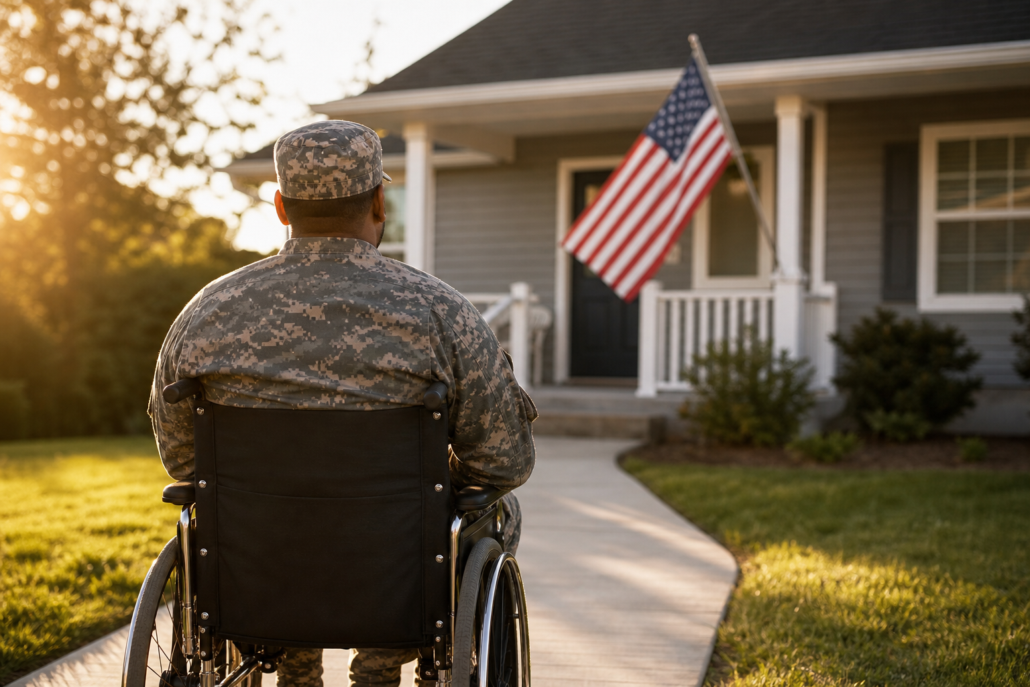
Understanding Veterans’ Housing Rights During Independence Day Celebrations
Introduction: Honoring Our Veterans Through Housing Security
The Significance of Independence Day for Veterans
As the fireworks light up the night sky and communities gather for parades and barbecues, Independence Day often brings a complex mix of emotions for our nation’s Veterans. For many, July 4th is a powerful reminder of the sacrifices made to secure the freedoms we cherish. It’s a day to reflect on the immense courage and dedication of those who have worn the uniform, often putting their lives on the line for our collective liberty.
Yet, for others, particularly those facing unforeseen challenges back home, the celebratory atmosphere can highlight struggles rather than triumphs. It’s a poignant moment to consider whether we are truly honoring our Veterans not just with parades and platitudes, but with tangible support that ensures their well-being long after their service concludes. Are we, as a society, upholding our end of the social contract?
The significance goes beyond mere celebration; it’s a moment to recommit to the principles for which so many have fought. When we think about the freedom and independence that Veterans secured, it begs the question: are all Veterans truly free and independent in their civilian lives? Unfortunately, the statistical reality is that many Veterans, after bravely serving, encounter significant hurdles transitioning back into civilian life, with housing stability often being a primary concern. A robust system is essential to truly honor them. This independence, paid for by their service, should extend to fundamental security, including a safe and stable home. After all, what is freedom without a place to call your own, a sanctuary where you and your family can thrive?
Recognizing the profound impact of their service during such a patriotic time is crucial. It reminds us that our responsibilities to these brave men and women don’t end when their tours do. As a wounded veteran charity, we constantly see the ongoing needs and the often-overlooked struggles faced by those who have given so much. We believe that true appreciation means advocating for and providing practical solutions to ensure their long-term success and integration into society. This includes everything from addressing immediate emergency needs to providing comprehensive housing assistance programs that foster long-term stability and independence.
Connecting National Celebration with Personal Well-being
The connection between a national holiday celebrating independence and the personal well-being of Veterans might seem indirect at first glance, but it’s deeply intertwined. Our national identity, forged through countless acts of bravery, depends on the strength and stability of its individual citizens, especially those who have defended it. When Veterans struggle with basic needs like housing, it diminishes not only their personal sense of security but also the collective conscience of a nation that claims to support them. Think about it: how can one feel truly “free” when facing the harrowing prospect of homelessness or struggling to keep a roof over their family’s head?
There’s a palpable and often unspoken dissonance between the loud, proud declarations of gratitude on days like July 4th and the quiet, persistent struggles many Veterans face in securing stable housing. Our goal is to bridge that gap, transforming fleeting appreciation into sustained, effective action. By focusing on critical areas such as veteran housing assistance, we ensure that the spirit of these celebrations translates into meaningful impact.
It’s about more than just saying “thank you”; it’s about demonstrating that gratitude through tangible support services and robust programs designed to help them rebuild their lives. Are we truly living up to our promises?
Moreover, linking national celebration with personal well-being underscores the idea that a nation’s strength is truly measured by how it treats its most vulnerable, especially those who have served. Economic hardship, unemployment, and lack of affordable housing are significant stressors that can accelerate the path from struggle to homelessness for Veterans. Organizations dedicated to addressing these challenges, like ours, work to provide immediate emergency relief and long-term solutions. We believe every Veteran deserves a place to call home, a safe haven where they can heal, grow, and continue to contribute to their communities. And yes, you can donate to injured to support these vital efforts.
The Critical Role of Stable Housing for Veteran Success
Stable housing is not merely a roof overhead; it is the fundamental cornerstone upon which a Veteran’s successful reintegration into civilian society is built. Without it, everything else becomes exponentially more difficult. Imagine trying to secure stable employment, attend therapy appointments for PTSD, or even maintain consistent family relationships when you don’t know where you’ll sleep next.
It’s an almost insurmountable barrier. Housing provides the stability and security necessary for Veterans to address other critical needs, such as physical and mental health issues, employment, and education.
For many Veterans, particularly those who have experienced combat or significant trauma, a stable home environment offers a sense of safety and predictability that is essential for recovery and healing. It’s the baseline from which they can begin to rebuild. This is why our focus on veteran housing assistance and related programs is so intense; it’s often the first step towards wider stability. When a Veteran has a secure place to live, they can more effectively engage with support networks, access benefits, and pursue educational or employment opportunities. Our work frequently involves connecting Veterans with services that provide homes for our, recognizing the profound impact this foundational element has on their overall well-being. For example, consider the impact on families; children need consistency, and housing provides that critical base.
Ultimately, investing in stable housing for Veterans isn’t just an act of charity; it’s a strategic investment in our communities and our national future. When Veterans have secure housing, they are far more likely to find meaningful employment, contribute to the local economy, and become active, engaged members of society. Their success is our success.
Programs offering housing, assistance, and support are designed to prevent homelessness and ensure that no Veteran is left behind after their service. This holistic approach ensures that the sacrifices made for our nation are met with the unwavering support they deserve, securing their future stability and allowing them to truly enjoy the independence they fought to protect. Without ensuring this basic human need, are we truly fulfilling our obligation to those who served?
Key Housing Rights and Protections for Veterans
Understanding Federal Guarantees: The VA Loan Program
When we talk about veteran housing rights, one of the most significant benefits many service members earn is access to the VA Loan Program. This isn’t just a regular mortgage; it’s a powerful tool designed specifically to help Veterans achieve homeownership without many of the typical hurdles you’d face in the conventional market. It’s a federal guarantee, meaning the Department of Veterans Affairs backs a portion of the loan, which significantly reduces the risk for lenders. This backing is crucial because it allows for benefits like no down payment, competitive interest rates, and often, no private mortgage insurance (PMI).
But what does “no down payment” truly mean for a Veteran? It can be a game-changer. Many Veterans, especially those transitioning from active service, might not have had the opportunity to save a substantial down payment.
The VA loan eliminates this barrier, making homeownership a realistic goal much sooner. Furthermore, the program features limits on closing costs, ensuring that more of your hard-earned money stays in your pocket. It’s a key component of financial stability, enabling long-term security.
Of course, understanding eligibility is key. Generally, most service members and Veterans who meet the minimum service requirements are eligible, as are certain surviving spouses. Navigating the specifics can sometimes feel daunting, but the overall goal is always to provide a more accessible path to housing.
The VA loan isn’t a one-and-done deal either; it offers significant flexibility. For instance, you can use it more than once, and it’s available for buying an existing home, building a new one, or even refinancing an existing mortgage. This adaptability means it can support a Veteran’s housing needs throughout various stages of life. The guarantee also extends to certain manufactured homes and even some home improvement projects, making it a comprehensive program for veteran support housing. Have you ever wondered about how these kinds of benefits are structured for Veterans? It’s generally about providing a robust safety net and opportunities that acknowledge your service. Sometimes, however, understanding the full scope of veterans’ benefits can be challenging due to evolving policies and administrative changes.
Protections Against Discrimination: Fair Housing Act Compliance
Beyond financial assistance, Veterans are also protected by crucial anti-discrimination laws. The Fair Housing Act (FHA) is a cornerstone of this protection, making it illegal to discriminate in housing based on race, color, national origin, religion, sex (including gender identity and sexual orientation), familial status, and disability. While Veterans are not a federally protected class under the FHA in the same way, many Veterans may experience discrimination based on disabilities incurred during service, or based on their familial status if they have children.
For disabled Veterans, the FHA’s protections are particularly vital, ensuring reasonable accommodations are provided and making it illegal to deny housing based on service-connected injuries. This means landlords cannot refuse to rent to a Veteran simply because they use a wheelchair or have a service animal, for example.
It’s important to understand your rights if you feel you’ve been unfairly treated in a housing situation. Discrimination, unfortunately, can take subtle forms, from a landlord suddenly claiming a unit is unavailable after learning you have a service animal, to steering you towards less desirable neighborhoods. These actions are illegal, and there are avenues for recourse. Organizations and legal aid services specialize in helping individuals who suspect housing discrimination. Knowing about these protections is a critical part of ensuring veterans housing assistance effectively reaches those who need it most. Many wounded veteran charity organizations often provide resources or referrals for legal assistance.
State and local laws can also offer additional protections for Veterans. Some jurisdictions have specifically added Veteran status as a protected class in housing, offering an extra layer of defense against unfair practices. Always check with your local housing authority or a legal services provider to understand the specific protections in your area.
This layer of legal defense is often overlooked but is fundamental to securing stable housing irrespective of one’s background or service-related circumstances. Don’t ever hesitate to ask for help or clarification, because these laws exist to safeguard your right to fair housing. It’s a proactive approach to prevent homelessness and ensure every Veteran has a chance at a stable living situation.
Resources for Preventing Homelessness and Eviction
The sad reality is that despite these protections and benefits, some Veterans still face the threat of homelessness or eviction. For any Veteran facing these immediate and critical challenges, knowing where to turn for assistance is paramount. There are numerous programs and resources specifically designed for homeless prevention and rapid re-housing. These aren’t just one-time handouts; many are comprehensive programs aimed at long-term stability.
The Department of Veterans Affairs (VA) operates several initiatives, such as the HUD-VASH program (a joint effort with the Department of Housing and Urban Development), which combines housing vouchers with supportive services to help Veterans and their families find and maintain stable housing. There’s also the Supportive Services for Veteran Families (SSVF) program, which provides case management and financial assistance to very low-income Veteran families who are homeless or at risk of becoming homeless. These programs often provide immediate help to address rental arrears, utility shut-offs, or security deposits. It’s often about intervening early to prevent a crisis from escalating.
Beyond federal options, many local and national non-profit organizations, including operation family fund, play a crucial role in providing emergency financial assistance, temporary housing, and comprehensive support services. These services often include employment assistance, financial counseling, and connections to mental health services, all of which are critical for long-term housing stability. If you’re experiencing housing insecurity or know a Veteran who is, reaching out to these organizations can make all the difference.
Understanding “how to apply for assistance” through various channels is the first step toward getting the help you need. Do you know where to start looking for such assistance in your community? Many of these resources can be accessed through local Veterans Affairs offices or by simply searching online for “donate to injured veterans” or “veteran housing assistance” in your area.
Government and Non-Profit Housing Assistance Programs
Exploring HUD-VASH and Other Federal Initiatives
When we talk about veteran housing security, federal programs are often the first line of defense. The HUD-VASH program, a collaborative effort between the U.S. Department of Housing and Urban Development (HUD) and the Department of Veterans Affairs (VA), is a cornerstone of this support.
It combines HUD’s Housing Choice Voucher (HCV) rental assistance for Veterans experiencing homelessness with VA’s supportive services. Think of it as a crucial two-pronged approach, providing not just a roof over their heads but also comprehensive assistance to ensure stability and wellbeing. This includes mental health care, substance use counseling, and case management, all designed to help Veterans maintain their housing as they reintegrate into civilian life.
Beyond HUD-VASH, there are other significant federal programs designed to support Veterans. For instance, the VA’s Homeless Providers Grant and Per Diem (GPD) program offers funding to community-based agencies that provide transitional housing and supportive services. These programs are vital for Veterans who need a stepping stone before securing permanent housing. Then there’s the Supportive Services for Veteran Families (SSVF) program, which provides time-limited financial assistance and case management to very low-income Veteran families who are homeless or at risk of homelessness. This program is often an immediate intervention, providing rental assistance, utility payments, and security deposits to prevent eviction or facilitate rapid re-housing. Understanding how veterans affairs is crucial for families navigating these services.
These federal efforts underscore the commitment to ensuring that no Veteran is left without a safe place to call home. While complex, these programs are critical components of the larger veteran support housing infrastructure, helping countless individuals and families find stability. They work to address immediate crises while also fostering long-term resilience for our nation’s heroes. And it’s not just about housing; these programs often connect Veterans with broader services that help them with building financial stability and personal growth.
State and Local Housing Support for Veterans
While federal programs provide a broad safety net, state and local initiatives play an equally important role, often filling gaps or tailoring assistance to specific community needs. Many states, for example, have their own homeless prevention programs that complement federal efforts. These might include emergency rental assistance funds, utility payment assistance, or rehousing programs specifically designed for Veterans.
California, for instance, has several state-funded housing programs that prioritize Veterans, recognizing their often unique challenges. Similarly, New York offers various housing assistance programs through its Division of Veterans’ Affairs.
Local municipalities and counties also step up, with housing authorities often creating preference policies for Veterans in public housing or Section 8 voucher programs. They understand that quick action can make all the difference. Some cities might offer property tax abatements for disabled Veterans or create special funds for home repairs.
The effectiveness of these programs often hinges on strong community partnerships and local knowledge of the veteran population. These localized programs can be incredibly flexible, offering assistance that’s specifically designed to address local housing market conditions and the demographic makeup of their Veteran communities.
It’s worth noting that the landscape of state and local housing support can vary tremendously, so understanding what’s available in your specific area is paramount. Many also work closely with non-profit organizations to expand their reach and provide more comprehensive services. The combination of federal, state, and local efforts creates a multi-layered system designed to catch Veterans at various stages of housing insecurity, from preventing homelessness to securing permanent housing solutions.
The Role of Veteran Charities and Community Organizations
Beyond government initiatives, the dedication of veteran charities and community organizations provides an invaluable layer of support. Organizations like Operation Family Fund are on the ground, often providing immediate, flexible assistance that government programs might not cover or might take longer to process. We’re talking about things like emergency rental assistance, security deposits, utility payments, or even temporary housing during a crisis. These groups are often the first point of contact for Veterans in distress, offering a compassionate and rapid response. Our very own operation family fund to support these efforts.
Many wounded veteran charity organizations also focus on supportive services, including case management, legal aid, job placement assistance, and connection to mental health resources. They understand that housing stability isn’t just about paying rent; it’s about addressing the underlying issues that can contribute to homelessness, such as unemployment, financial hardship, or mental health challenges. This holistic approach is critical for long-term success. These groups also advocate for Veterans’ rights, working to influence policy and raise public awareness about the unique struggles faced by military families.
Community organizations, whether faith-based groups or local nonprofits, often partner with larger Veteran-specific charities and government agencies to ensure comprehensive coverage. They might provide food, clothing, transportation, or even volunteer support for home renovations. This collaborative ecosystem is essential for creating a robust safety net, ensuring Veterans receive the comprehensive assistance they need. And this kind of synergy is what truly makes a difference for veteran families striving for financial stability.
Navigating Eligibility and Application Processes
Understanding eligibility criteria and the application process can often feel daunting, especially for Veterans already under stress. Each program, whether federal, state, or non-profit, will have its own specific requirements, which can include income limits, service history verification, disability status, and current housing situation. For HUD-VASH, for example, Veterans must be experiencing homelessness and also be eligible for VA health care services. Other programs might focus on families with dependents or those facing eviction due to specific circumstances.
The key to successful application often lies in preparedness and persistence. Gathering all necessary documentation beforehand, such as DD-214 forms, proof of income, rental agreements, and medical records, can significantly speed up the process. Many organizations, including local Veteran Service Officers (VSOs) and charities, offer free assistance with navigating these complex applications. They can help Veterans understand specific program requirements, complete paperwork accurately, and advocate on their behalf. We offer guidance on how to apply directly on our site.
It’s important for Veterans not to get discouraged by initial rejections or the perceived bureaucracy. The process can be lengthy, but help is always available. Seeking guidance from experienced navigators (VSOs, social workers, or charity representatives) can turn a confusing ordeal into a manageable one, ensuring that Veterans access the critical housing assistance they’re entitled to. These experts can also connect Veterans with multiple resources, creating a more comprehensive support plan rather than just a single solution.
Addressing Unique Housing Challenges Faced by Veterans
Support for Veterans Experiencing Homelessness
Homelessness among our Veterans, unfortunately, remains a profound challenge, and it’s something many of us in the Veteran community are working tirelessly to address. While we celebrate Independence Day, it’s a stark reminder that not all who served have a secure place to call home. This isn’t just about a lack of shelter; it’s about a lack of stability, dignity, and often, immediate emergency support. For Veterans experiencing homelessness, the path to stability can be complex, often requiring more than just a roof over their heads.
Many factors contribute to Veteran homelessness, including economic hardship, lack of employment opportunities, and the difficult transition back to civilian life. Organizations like ours focus on providing comprehensive housing assistance, not just temporary fixes. This can include rapid re-housing programs that offer short-term rental assistance and intensive case management services to help Veterans and their families secure and maintain permanent housing. We also see the critical need for transitional housing, which can provide a safe space and supportive environment for Vets while they work towards long-term stability.
The Department of Veterans Affairs (VA) also offers significant programs, such as the VA Homeless Prevention Program, designed for rapid intervention to prevent homelessness in the first place, or to quickly re-house those who have lost their housing. These initiatives often include financial assistance for rent and utilities, legal aid, and connections to employment services. But honestly, the federal government can only do so much; that’s where non-profits and community organizations step in, often filling crucial gaps and providing the kind of personalized care that truly makes a difference.
Are we doing enough? It’s a question we always ask ourselves, pushing to innovate and expand our reach.
Adaptive Housing for Veterans with Disabilities
When we talk about the unique housing needs of veterans, those with service-connected disabilities come immediately to mind. After all, many of our wounded veteran charity efforts are deeply rooted in ensuring these brave individuals have homes that truly accommodate their specific needs. Adaptive housing isn’t just about ramps; it’s about creating living spaces that promote independence, safety, and a higher quality of life.
Think about it: accessible bathrooms, wider doorways, smart home technologies that veterans with limited mobility can control with ease. We actually touched on some of the latest advancements in “Adaptive Housing Tech 2025: Smart-Home Upgrades Empowering Wounded Warriors,” which really highlights how innovative solutions are changing lives.
The VA’s Specially Adapted Housing (SAH) and Special Home Adaptation (SHA) grants are absolutely vital here. These grants help veterans with certain permanent and total service-connected disabilities buy, build, or modify a home to meet their adaptive housing needs. But applying for these benefits can be a bureaucratic maze, right?
And that’s where organizations again step in, helping navigate the application process and connecting veterans with contractors who understand adaptive construction. It’s not just about the money; it’s about the expertise and advocacy.
Beyond federal programs, numerous non-profit organizations specialize in building or modifying homes for disabled veterans. Take “Homes For Our Troops,” for example, which we’ve mentioned before; they do incredible work custom-building mortgage-free, specially adapted homes for severely injured post-9/11 veterans. These efforts go beyond mere compliance with accessibility standards; they aim to integrate advanced engineering and design to provide maximum comfort and utility. It’s personalized support that acknowledges the profound sacrifices these veterans have made for our country.
Assistance for Women and Minority Veterans
While all veterans deserve our unwavering support, it’s crucial to acknowledge that women and minority veterans often face additional, unique barriers when it comes to securing stable housing. They might encounter discrimination, cultural misunderstandings, or simply a lack of programs specifically tailored to their experiences. For instance, women veterans may have different needs regarding safety, childcare, and healthcare access that generic housing programs don’t always address adequately.
Thankfully, there’s a growing awareness and effort to provide targeted assistance. The VA, for example, has increased its focus on women veteran programs, including specific housing initiatives. Non-profit organizations are also stepping up, creating safe havens and support networks that are culturally competent and gender-specific.
These programs might offer not just housing, but also mentorship, employment training, and family support services designed to foster long-term independence. It’s about building trust and creating an environment where these veterans feel truly seen and supported.
Addressing these disparities requires a multi-faceted approach. It means advocating for policy changes, increasing funding for specialized programs, and ensuring that providers are educated on the specific challenges faced by these groups. It’s also about building stronger community ties and fostering a sense of belonging. Because when a veteran feels isolated, regardless of their background, their battle for stable housing becomes even harder. Are we truly being inclusive in our support efforts, or do we still have work to do?
Mental Health and Substance Use Disorder Housing Resources
The connection between mental health, substance use disorders, and veteran homelessness is undeniable. Many veterans returning from service grapple with the invisible wounds of war, such as PTSD, depression, and anxiety, which can severely impact their ability to maintain stable housing and secure employment. Substance use disorders often coexist with these mental health conditions, creating a complex web of challenges that traditional housing programs alone cannot solve.
For these veterans, simply providing an apartment isn’t enough; they need integrated, holistic support. This is where programs that combine housing with mental health counseling, addiction treatment, and life skills training become incredibly powerful. The VA’s HUD-VASH program, for instance, specifically ties housing vouchers with clinical case management from the VA to address these very issues. It’s a recognition that housing stability and clinical support must go hand-in-hand.
Community-based organizations and non-profits also play a vital role here, often providing more flexible and immediate access to these combined services. They might offer residential treatment facilities that include temporary housing, individualized therapy plans, peer support groups, and vocational training. The goal is to not only stabilize their housing situation but also to address the underlying issues that led to homelessness, paving the way for lasting recovery and reintegration into the community. It’s about more than brick and mortar; it’s about rebuilding lives.
Empowering Veterans: How to Access and Advocate for Your Rights
Identifying and Reporting Housing Discrimination
Understanding your veteran housing rights is one thing, but knowing what to do when those rights are violated is another. Housing discrimination against Veterans, while illegal, unfortunately still happens. It can manifest in various ways, from being denied rental housing or a loan because of a service-related disability, to landlords making assumptions about your mental health or stability based on your military background. Sometimes, it’s subtle, like being told a property isn’t available, only to find it’s still being advertised to others. Other times, it’s overt, with direct statements or policies that exclude veterans. The key is to recognize these signs and understand that you have recourse.
So, what should you do if you suspect you’re facing discrimination? Documentation is your best friend. Keep detailed records of dates, times, and names of individuals involved.
Save any emails, texts, or written communications. If a conversation happens over the phone or in person, make notes immediately afterward, including what was said. Gather any evidence, such as property listings, denied applications, or comparisons with how non-veterans are treated.
Once you have your evidence, you can file a complaint. The Department of Housing and Urban Development (HUD) handles housing discrimination complaints, and their website provides clear instructions on how to do so. You can also reach out to your local fair housing organization, many of which offer assistance and guidance through the complaint process.
Remember, standing up for your rights isn’t just about you; it helps protect other veterans from similar experiences.
Connecting with Legal Aid and Advocacy Services
Navigating the legal landscape can feel daunting, especially when you’re already dealing with housing instability or the aftermath of discrimination. That’s where legal aid and advocacy services come in, acting as crucial allies for Veterans. These organizations specialize in providing free or low-cost legal assistance to individuals who might not otherwise afford it. They understand the nuances of veteran housing rights, federal laws like the Fair Housing Act, and local ordinances that protect you. Many have dedicated programs specifically for veterans, recognizing the unique challenges faced by former service members.
When searching for legal assistance, start with the Department of Veterans Affairs (VA) or your local Veteran Service Organization (VSO). They often have lists of trusted legal providers or can make direct referrals. Organizations like Legal Services Corporation (LSC)-funded programs across the country offer civil legal aid, and some focus heavily on housing issues.
For instance, if you’re facing eviction, need help understanding a lease, or believe you’ve been discriminated against, these groups can provide essential legal advice, representation, and advocacy. They can help you understand complex legal jargon, prepare necessary documents, and represent you in court if required. Don’t hesitate to reach out; these professionals are there to support you in securing and maintaining stable housing.
Building a Support Network: Community and Peer Resources
Beyond legal and governmental assistance, building a strong support network is paramount for long-term housing stability and overall well-being. No Veteran should feel like they’re going through this journey alone. Community and peer resources offer invaluable emotional support, practical advice, and a sense of belonging that can make all the difference. These networks consist of fellow veterans who understand your experiences, local community groups dedicated to veteran welfare, and even online forums where you can connect with others facing similar challenges.
Think about connecting with local veteran centers, American Legion posts, VFW halls, or even faith-based organizations. Many run support groups, provide mentorship, or simply offer a safe space to connect and share. These connections often lead to discovering resources you might not have known about, like job placement assistance, mental health services, or even local housing initiatives.
Peer support can be particularly effective because it comes from those who have walked in your shoes, offering empathy and practical solutions from a lived perspective. Volunteering or participating in veteran events can also help solidify these connections, fostering a sense of purpose and community that extends beyond just housing. Remember, a strong network isn’t just about getting help; it’s also about giving back and strengthening the entire veteran community.
Planning for Long-Term Housing Stability
Achieving immediate housing isn’t the finish line; planning for long-term housing stability is the ultimate goal for every Veteran. This means looking beyond the immediate crisis and establishing a foundation that ensures ongoing security and peace of mind. It involves a multi-faceted approach, starting with financial stability. Exploring employment opportunities, especially those that offer consistent income and benefits, is critical. Many programs exist to help unemployed veterans find meaningful work, and understanding your eligibility for various benefits, like those updated in va benefits 2025, can provide a crucial safety net.
Beyond finances, consider your physical and mental health. Stable housing significantly contributes to both, but ongoing support in these areas is often necessary. Accessing VA healthcare services or community mental health providers ensures you have the support needed to thrive. Furthermore, think about developing skills for maintaining a home, understanding tenant rights and responsibilities, and budgeting for housing costs. For some, adaptive housing tech, as discussed in adaptive housing tech, can be a game-changer, providing essential modifications for those with service-connected disabilities. Proactive planning, leveraging available assistance programs, and building a resilient personal foundation are all components of truly securing your future.
As we reflect on Independence Day, and the sacrifices made, it’s clear that securing stable housing is a foundational aspect of honoring our Veterans and ensuring they can truly enjoy the freedoms they’ve protected. From understanding your inherent rights and knowing how to combat discrimination, to connecting with vital legal and community support, the resources are out there. At Operation Family Fund, we believe every Wounded Veteran Charity must play a part in this ongoing effort. Your journey toward stable, secure housing is a priority for us, and we encourage you to utilize every available resource and advocate for yourself and your fellow service members. If you’re looking for ways to support these critical efforts, consider how you can donate to injured and contribute to ensuring no veteran is left without a home. Together, we can build a future where every veteran not only has a roof over their head but also the stability and support to live a fulfilling life.
Related Posts
- Operation Family Fund Kicks Off
- First Donation to Operation Family Fund Comes from Eleven Year-Old
- Operation Family Fund to Exhibit at Upcoming 2007 Gold Coast Navy Show
- Operation Family Fund Raises Over One Million Dollars in Donations
- Santa Barbara Harley Davidson & Dr. Laura Host Motorcycle Show and Benefit for Operation Family Fund
- Santa Barbara Couple Donates $5,000 to Operation Family Fund in Support of Our Troops
- Frank L. King
- Homes For Our Troops
- Is the PACT Act Failing Our Heroes? The Truth About Veterans’ Benefits
- PACT Act 2025 Updates: Unlocking New Health & Compensation Benefits for Veteran Families
- Adaptive Housing Tech 2025: Smart‑Home Upgrades Empowering Wounded Warriors
- VA Benefits 2025 Update: What Every Veteran Family Should Know