Identifying At-Risk Veterans Warning Signs That Demand Immediate Assistance
Understanding the Critical Warning Signs
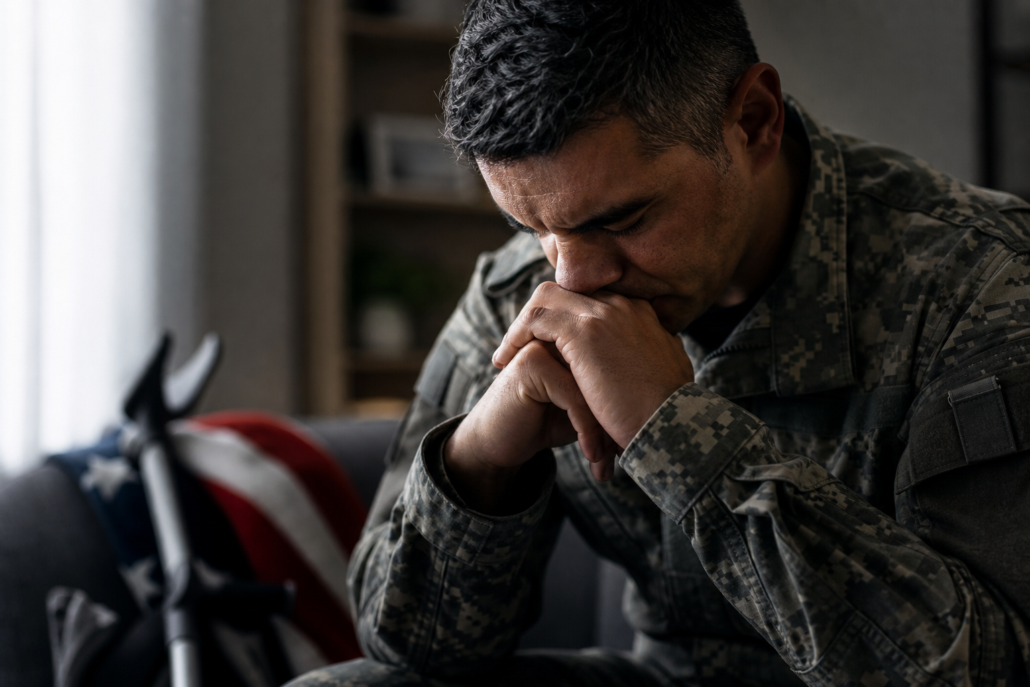
Every day, veterans across the nation face invisible battles that the outside world rarely sees. You might know someone (or be someone) who served with honor, came home, and suddenly seemed like a different person. The change isn’t always dramatic. Sometimes it’s subtle, quiet, almost easy to miss if you’re not paying attention.
That’s what makes recognizing warning signs so critical. At-risk veterans often don’t ask for help outright. They bottle things up, push people away, or convince themselves they can handle everything alone. But there are signals, real and observable ones, that something serious is happening beneath the surface. Learning to spot these patterns could literally save a life.
This section breaks down the most important warning signs that demand immediate assistance. If you see these patterns in a veteran you care about, it’s time to act. Waiting rarely makes things better.
Behavioral Changes That Indicate Emotional Distress
When a veteran’s personality or behavior shifts noticeably, something is usually wrong. Maybe they were outgoing before, and now they refuse invitations to gather with friends. Or they were calm and measured, and suddenly they’re snapping at family over minor inconveniences. These aren’t personality quirks; they’re flares signaling internal struggle.
Look for aggression, irritability, or recklessness that feels out of character. A veteran who suddenly starts making impulsive decisions, takes unnecessary risks, or acts without thinking like they used to is showing signs of emotional dysregulation. This might include aggressive outbursts, verbal confrontations that seem disproportionate to the situation, or even physical altercations.
Mood swings are another red flag. One moment they seem fine; the next, they’re overwhelmed or angry for reasons that don’t make sense to outsiders. Hopelessness is particularly serious. If a veteran expresses that things won’t get better, that they’re a burden, or that life doesn’t feel worth living, this demands immediate intervention through resources like suicide prevention month.
Sleep disruptions are also telling. Many veterans experience nightmares, insomnia, or restlessness that makes quality sleep impossible. They might oversleep as an escape or stay awake for days at a time. Trust your instincts. If something feels wrong, it usually is.
Physical and Health-Related Red Flags
The mind and body are connected in ways many people underestimate. When a veteran is struggling emotionally, physical symptoms often emerge. Weight loss or gain that happens rapidly or without intentional dieting suggests something deeper is happening. Loss of appetite or overeating can both signal distress.
Chronic pain complaints, headaches, or unexplained physical ailments that persist despite medical evaluation might be manifestations of psychological pain rather than purely physical conditions. Veterans might complain of constant fatigue, even after adequate rest. They might neglect personal hygiene or grooming, something that would have been unthinkable before.
Increased visits to emergency rooms or hospitals for vague complaints, combined with substance use exploration, can indicate a veteran attempting to self-medicate for underlying issues. If a veteran mentions chronic pain management struggles, support through service dogs transforming or other evidence-based programs may provide relief.
Social Withdrawal and Isolation Patterns
Isolation is one of the most dangerous warning signs. Veterans who were once engaged with family, friends, or community activities suddenly withdraw completely. They cancel plans repeatedly, avoid phone calls, or say they’d rather be alone. Extended periods of isolation amplify risk significantly.
They might spend days or weeks without leaving home, without showering, without engaging in activities they once enjoyed. Work performance often suffers as a result. A veteran who’s been reliable suddenly calls in sick frequently, misses deadlines, or stops showing up altogether suggests serious crisis territory.
Pay attention if they stop attending religious services, veteran groups, hobby clubs, or family gatherings they previously valued. The loss of social connection removes protective factors that help veterans through difficult periods. Rural veterans in particular face compounded challenges when isolation combines with limited access to support, though telehealth expansion.
Substance Use and Dependency Concerns
Substance use often follows emotional crisis. A veteran who starts drinking more frequently, uses drugs, or relies on prescription medications beyond their intended purpose is managing pain the only way they know how. This isn’t weakness; it’s a sign they’re hurting and need intervention.
Early warning signs include talking more openly about alcohol or drug use, keeping substances visible, or mentioning getting high or drunk casually in conversation. More serious indicators include missed doses of legitimate medications, doctor shopping for more prescriptions, or sudden changes in drug preference or consumption patterns.
Financial problems often accompany substance dependency. A veteran might suddenly face money problems, job loss, or debt they can’t explain. Family members notice missing valuables or request for loans they can’t repay. These patterns warrant urgent assistance and professional support to interrupt the cycle before it deepens.
Mental Health Indicators Specific to Veterans
PTSD Symptoms and Combat-Related Trauma Responses
Post-traumatic stress disorder (PTSD) is one of the most visible mental health challenges affecting veterans, yet it often goes unrecognized or unaddressed until it reaches a crisis point. Combat exposure rewires the brain’s threat-detection system, leaving veterans hyperalert to danger even in safe environments.
Watch for intrusive memories that feel as real as the original event. A veteran might suddenly relive a combat experience triggered by a loud noise, a specific smell, or an unexpected touch. Nightmares about combat scenarios, especially those disrupting sleep night after night, signal unprocessed trauma. Flashbacks where a veteran loses touch with the present moment and genuinely believes they’re back in the combat zone are serious warning signs requiring immediate attention.
Avoidance behaviors often accompany PTSD. A veteran might refuse to leave their home, avoid crowds, or isolate from family gatherings. They may dodge conversations about their service or become defensive when military topics arise. Some veterans develop severe reactions to reminders of their deployment (certain movies, news reports, or locations) and go to great lengths to avoid these triggers.
Emotional numbing is equally concerning. A veteran who used to laugh easily but now feels detached from joy, humor, or connection with loved ones may be struggling with PTSD. They might describe feeling “flat” or “empty” even during positive family moments. This emotional distance often strains marriages and parent-child relationships, creating additional stress within families who don’t understand why their loved one seems unreachable.
Depression and Persistent Hopelessness
Depression in veterans often looks different than what civilians experience. It’s not just sadness. Many veterans describe a heavy sense of purposelessness now that their military service has ended. The structure, mission, and brotherhood of military life vanishes, leaving a void that civilian life struggles to fill.
Look for persistent low mood lasting weeks or months, loss of interest in activities they once enjoyed, and significant changes in appetite or sleep patterns. Some veterans sleep excessively while others can’t sleep despite exhaustion. Weight loss or gain without dieting often accompanies depression.
Hopelessness is the most dangerous indicator. When a veteran expresses beliefs like “things will never get better,” “nobody understands what I’ve been through,” or “my family would be better off without me,” depression has reached a critical level. Listen carefully to what they’re saying. These aren’t casual complaints, they’re windows into their mental state.
Veterans may also exhibit increased irritability, anger outbursts, or reckless behavior as depression manifests. Some self-medicate with alcohol or drugs, which deepens the depression spiral. If a veteran’s family member is also a caregiver, watch for signs of veteran caregiver burnout as depression can exhaust everyone around them.
Anxiety Disorders and Hypervigilance
Hypervigilance (constant scanning for threats) is a direct result of combat training. A veteran’s brain learned to notice danger before it strikes. In a combat zone, this skill saved lives. Back home, it becomes exhausting and socially isolating.
In civilian settings, hypervigilance shows up as always positioning themselves with their back to a wall, constantly monitoring exits in restaurants, flinching at unexpected sounds, or needing to know everyone’s location in a room. They might seem “on edge” even during relaxed family dinners.
Generalized anxiety manifests as persistent worry about things beyond their control, physical restlessness, difficulty concentrating, and muscle tension. Veterans might worry excessively about finances, health, or family safety. Panic attacks can strike without warning, causing chest tightness, racing heart, sweating, and a sense of impending doom.
Some veterans develop specific phobias related to their service injuries or experiences. Others experience social anxiety after deployment, finding crowded spaces, unfamiliar people, or public situations deeply uncomfortable. When anxiety prevents a veteran from working, attending family gatherings, or maintaining relationships, intervention becomes urgent.
Suicidal Ideation and Self-Harm Behaviors
This is non-negotiable: veteran suicide rates are significantly higher than the civilian population. The Veterans Crisis Line reports that approximately 18 veterans die by suicide daily, making this the most critical warning sign to recognize and act upon immediately.
Direct statements about wanting to die or beliefs that others would be better off without them demand immediate response. Even vague references like “I won’t be around much longer” or “you’ll understand someday” warrant taking them seriously. Veterans may talk about feeling like a burden on their family or having nothing to live for.
Indirect warning signs include giving away possessions, writing letters or updating wills, researching methods of suicide, increased substance use, or reckless behaviors (dangerous driving, ignoring medical care). Some veterans become suddenly calm after a period of deep depression, which can mean they’ve made a decision to harm themselves.
Self-harm behaviors like cutting, burning, or excessive substance abuse are cries for relief from unbearable emotional pain. A veteran harming themselves needs immediate crisis intervention and professional support. If you notice these signs, contact operation family fund or the Veterans Crisis Line (call or text 988 then press 1) without delay. Don’t wait. Don’t assume they’re just having a bad day.
Crisis Intervention: Immediate Steps to Take
When to Contact Emergency Services
Recognizing the moment to call 911 is about understanding the difference between a veteran who needs support and one in immediate danger. If a veteran is expressing intent to harm themselves or others, has access to means (weapons, medications, other implements), or is actively in crisis with no safe person present, emergency services are not optional. This is the threshold where immediate professional intervention becomes essential.
Many people hesitate to call because they worry about overreacting or damaging the relationship. That hesitation can cost lives. Veterans in acute crisis often can’t think clearly enough to ask for help themselves, which means the people around them must be willing to make that call.
If you’re unsure whether a situation warrants emergency response, lean toward making the call. Emergency responders are trained to assess the actual risk level, and they’d rather respond to a situation that turns out to be manageable than miss one that’s genuinely dangerous.
In the Carlsbad and broader Southern California region, you can contact local emergency services through 911 at any time. Be specific about what’s happening: “A veteran I know is expressing suicidal thoughts and has mentioned having a firearm” gives first responders critical information they need to respond appropriately and safely. Have the veteran’s location ready, their name, and any relevant medical history if you know it.
De-escalation Techniques for Supporting a Veteran in Crisis
Before the crisis reaches the emergency room, de-escalation can make the difference between a situation that stabilizes and one that spirals. The goal is to keep the veteran as calm as possible while you work toward getting professional help. This requires patience, clear communication, and an understanding that you’re not trying to solve their crisis, just manage it until trained professionals arrive.
Start by creating physical and emotional safety. Keep your voice low and calm, your movements slow and predictable. Avoid sudden gestures or invading personal space, especially with veterans who may have hypervigilance or trauma responses. Listen more than you talk. Many at-risk veterans haven’t felt truly heard in months, and sometimes that acknowledgment alone can prevent escalation.
Use validation rather than dismissal. Saying “I hear that you’re in a lot of pain” is infinitely more effective than “You don’t really feel that way” or “Things will get better.” For veterans experiencing immediate crisis, immediate solutions matter more than long-term perspective. Ask direct questions about what would help in this moment: “What do you need right now?” or “Is there someone you trust who we could call?”
Avoid taking their words or behavior personally. A veteran in crisis may say hurtful things, withdraw, or become angry. These are symptoms of the crisis itself, not reflections on your relationship or your efforts to help. Stay focused on the goal: keeping them safe until professional support arrives.
Accessing the Veterans Crisis Line and Hotline Resources
The Veterans Crisis Line is specifically designed for this moment. You can reach them by calling 988, then pressing option 1, or by texting 838255. They’re available 24/7, staffed by veterans and experienced counselors who understand the unique pressures military service creates. This isn’t a generic mental health hotline. These are people trained specifically in veteran crisis intervention.
Both you and the veteran can use this service. If the veteran won’t call themselves, you can call on their behalf and explain the situation. The counselors will help you determine the appropriate next step, whether that’s immediate emergency services or connection to longer-term support resources.
Beyond the crisis line, services like the Suicide and Crisis Lifeline (988) are available to everyone. Having these numbers programmed into your phone means you’re not fumbling for resources in a stressful moment. Write them down, share them with the veteran if they’re stable enough to receive them, and remember that calling doesn’t lock anyone into treatment. It’s simply reaching out to trained professionals who can help assess risk and identify options.
Creating a Safety Plan and Removing Access to Means
A safety plan is a concrete document that identifies specific steps a veteran will take if crisis urges return. It includes trusted people they can contact, coping strategies they know work, professional resources, and places they can go if they feel unsafe at home. The veteran should create this plan when they’re relatively stable, not during active crisis. A safety plan provides when thinking is clouded by despair.
Removing access to means is equally critical. If a veteran has expressed suicidal thoughts, securing firearms, medications, or other methods of self-harm isn’t a violation of trust. It’s a temporary protective measure during the highest-risk period.
Research consistently shows that limiting access to means during acute crisis saves lives. This might mean taking weapons to a secure location, asking a trusted family member to hold medications, or removing anything that could be used for self-harm.
This doesn’t need to feel punitive. Frame it clearly: “I care about you, and I’m going to help keep you safe while we get you real support.” Most veterans, once the acute crisis passes, understand and appreciate that someone was willing to take that step. The goal is to bridge the gap between crisis and recovery, creating space for professional support resources.
Long-Term Support Systems and Resources
VA Mental Health Services and Counseling Programs
The Department of Veterans Affairs offers comprehensive mental health support through its Veterans Health Administration (VHA), and if an at-risk veteran isn’t already connected to these services, that’s your first priority. The VA operates mental health clinics across every state, including California, with specialized programs for PTSD, depression, anxiety, and substance abuse.
Veterans can access individual therapy, group counseling, psychiatric medication management, and crisis stabilization services without navigating private insurance. The VA also operates the Veterans Crisis Line (988 then press 1), available 24/7 with trained responders who understand military culture and the unique stressors veterans face. Many at-risk veterans don’t realize these services exist or believe they’re ineligible, so direct them to their nearest VA Medical Center or Community Based Outpatient Clinic (CBOC) to verify eligibility and get scheduled.
If you suspect a veteran is in immediate danger, the crisis line can initiate emergency interventions or coordinate with local emergency services. The VA also offers telehealth appointments, which reduces barriers for veterans in rural areas or those with mobility challenges.
Community-Based Veteran Support Organizations
Beyond the VA system, civilian nonprofit organizations fill critical gaps in veteran services. Groups like the American Legion, Veterans of Foreign Wars (VFW), and Disabled American Veterans (DAV) offer emergency financial assistance, housing support, food banks, and employment resources. These organizations understand the immediate, practical needs at-risk veterans face—unpaid rent, utility shutoffs, food insecurity—which can escalate crisis situations rapidly.
Many community-based organizations also provide case management, helping veterans navigate benefits applications and connect to multiple services simultaneously. In the Carlsbad and San Diego County region, local veteran service offices can guide at-risk veterans to programs addressing housing, unemployment, and crisis intervention. A wounded veteran charity like Operation Family Fund focuses specifically on rapid financial assistance for wounded, ill, and injured service members during emergency situations.
These organizations often move faster than government agencies. If a veteran needs emergency rent assistance or temporary food support within days, community nonprofits can often provide it within weeks rather than months.
Peer Support Networks and Veteran Groups
One of the most underutilized resources is peer support. Veterans often respond more openly to other veterans who’ve experienced similar challenges. Peer support groups meet regularly at VA facilities, community centers, and religious organizations throughout California, creating spaces where veterans feel understood without judgment.
Online peer networks have expanded significantly, offering 24/7 connection for veterans who prefer digital contact or live in isolated areas. Organizations like Team Red White & Blue and local veteran meetup groups provide social connection alongside practical support. The power of peer networks is simple: at-risk veterans hear directly from someone who’s walked the same path and survived it.
Peer support doesn’t replace professional mental health care, but it supplements it powerfully. Loneliness and isolation accelerate crisis, while connection and belonging slow it down. Encouraging an at-risk veteran to attend even one peer support meeting can open doors to ongoing community and accountability.
Family Education and Caregiver Assistance Programs
Family members are often the first to notice warning signs, yet they frequently lack guidance on how to respond effectively. The VA and many nonprofits offer family psychoeducation programs that teach spouses, adult children, and parents how to recognize crisis indicators, communicate supportively, and access resources without enabling harmful behaviors.
Caregiver support programs are essential for families managing wounded or ill veterans. These programs provide respite care, training on managing PTSD or TBI symptoms, mental health support for caregivers themselves, and access to information about benefits and services. Programs like caregiver assistance recognize that family burnout can worsen a veteran’s situation. When caregivers are depleted, at-risk veterans lose their safety net.
The VA’s Program of Comprehensive Assistance for Family Caregivers provides stipends, health insurance, and training for designated caregivers of severely injured post-9/11 veterans. For families of at-risk veterans, understanding what support exists can reduce stress and improve the entire family’s ability to respond to crisis. Your role might include connecting families to these programs and helping them understand they’re not alone in managing this challenge.
Communicating with At-Risk Veterans
Approaching Conversations with Compassion and Respect
Reaching out to an at-risk veteran takes courage, and it starts with the right mindset. You’re not there to fix them or judge their situation. You’re there to listen and let them know they’re not alone. That distinction matters more than you might think.
When you approach a veteran showing warning signs, timing and setting are everything. Find a private, comfortable space where they won’t feel exposed or defensive. Avoid ambushing them with concern in front of their family, coworkers, or peers. Veterans often struggle with vulnerability, and public acknowledgment of their struggles can trigger shame rather than openness.
Start the conversation honestly. Say something like, “I’ve noticed some changes, and I’m genuinely worried about you. Can we talk?” This acknowledges what you’re seeing without being accusatory. Use “I” statements: “I care about you” rather than “You’re falling apart.” The difference is subtle but powerful.
Respect their military background. Veterans respond to directness and authenticity. Avoid platitudes like “everything will be okay” or “just think positive.” These feel dismissive to someone in crisis. Instead, acknowledge the weight of what they’re carrying. “This looks really hard” or “I can see you’re struggling” validates their experience.
Listening Without Judgment or Dismissal
Once a veteran opens up, your job becomes much simpler: listen. Really listen. Not the kind of listening where you’re already planning your response or waiting for your turn to talk. The kind where you’re fully present and genuinely trying to understand their perspective.
Many veterans have spent years in environments where showing weakness meant being removed from duty or letting your unit down. They’ve learned to compartmentalize pain, suppress emotion, and push through. When they finally speak about their struggles, they’re breaking decades of conditioning. Honor that.
Don’t interrupt or try to problem-solve immediately. Let silence exist. If they pause, resist the urge to fill it. Sometimes veterans need a moment to gather their thoughts or process emotions they haven’t verbalized in years. That quiet space is where trust gets built.
If they mention suicide, self-harm, or hopelessness, don’t panic or minimize it. Ask directly: “Are you thinking about harming yourself?” Research shows that asking about suicide doesn’t plant the idea or push someone toward it. It actually opens the door to honesty. Listen to their answer without judgment. Your calm response sets the tone for whether they’ll keep talking or shut down.
Avoid comparisons or one-upping their struggles. Saying “my uncle also served and he turned out fine” dismisses their unique experience. Every veteran’s journey is different. Their pain is real regardless of how someone else processed similar circumstances.
Encouraging Professional Help and Treatment Options
Once you’ve established trust and understanding, gently introduce professional support. Frame it not as a weakness but as the same tactical approach they’d use in any mission: getting the right resources and expertise to address the problem.
Veterans often respond better to specific, actionable options than vague encouragement. Rather than “you should talk to someone,” try “There’s a veteran mental health program that specializes in PTSD. Would you like me to help you look into it?” Concrete next steps feel manageable. Ambiguous suggestions feel overwhelming.
Know your local resources before the conversation happens. In the Carlsbad area and across California, veterans can access crisis lines, therapy programs, medication management, and support groups tailored to veteran experiences. Organizations offering veteran housing assistance, employment support, and financial crisis intervention exist specifically to meet these needs during moments of acute vulnerability.
Mention that support for veterans’ includes mental health resources alongside practical assistance. When a veteran knows help addresses both their psychological state and their immediate survival needs (housing, income, emergency financial relief), they’re more likely to engage.
If they resist professional help, don’t push hard. Instead, ask what barriers they see and problem-solve together. Cost, stigma, previous bad experiences with providers, or distrust of the system are common obstacles.
Many programs offer sliding scale fees or are completely free. Some provide veteran-specific therapists who understand military culture and trauma. Having answers to their objections keeps the door open.
Following Up and Maintaining Consistent Contact
The conversation doesn’t end when you part ways. Consistent contact signals that you genuinely care, not just that you felt obligated to check in once.
Send a text a few days later: “I’ve been thinking about our talk. How are you doing?” Simple check-ins work. You don’t need profound words. You need consistency. Many veterans in crisis report that one person staying consistently present made the difference between staying engaged with life and giving up.
Follow up on commitments they made. If they said they’d call a veteran crisis line or schedule a therapy appointment, circle back. “Did you end up reaching out to that program? Want me to help you find the number again?” This isn’t nagging. It’s accountability that shows you believe in their recovery enough to keep showing up.
Be aware of high-risk periods: anniversaries of traumatic events, military holidays, discharge dates, or even seasonal transitions can trigger crises. Increase contact during these times without making it obvious. “Just wanted to check in since we haven’t talked in a bit.”
If a veteran you’ve been supporting seems to be improving, maintain contact anyway. Recovery isn’t linear. People get better, have setbacks, and need reminding that someone still cares. Your consistent presence becomes part of their safety net, especially during vulnerable moments.
Preventing Veteran Crises Through Early Recognition
Building Awareness in Veteran Communities
Early recognition starts with education. Veterans themselves often recognize warning signs in their peers before anyone else does. When you foster awareness within veteran circles, you create a network of watchful eyes and caring hearts who understand the unique pressures service members face.
Organizations like Operation Family Fund understand that peer-to-peer communication carries weight. A fellow veteran might notice subtle shifts in behavior that a civilian family member would miss. They recognize the difference between normal stress and the kind of crisis that demands attention. By hosting community forums, support groups, and informal gatherings in the Carlsbad area and beyond, you build environments where veterans feel safe discussing struggles without judgment.
Training programs that teach veterans how to identify at-risk peers create a culture of accountability. When veterans know the warning signs, they become the first line of defense. They’re more likely to reach out directly, ask difficult questions, and encourage professional help. This peer awareness transforms entire communities from isolated individuals into connected networks where nobody slips through the cracks unnoticed.
Training Family Members and Close Contacts
Family members and close contacts spend more time with veterans than most healthcare providers ever will. They see the day-to-day patterns, mood shifts, and behavioral changes that matter most. Yet many family members don’t know what they’re looking for or how to respond effectively when they spot warning signs.
Training family members involves teaching them to recognize the specific indicators covered earlier in this blog, but also how to approach a veteran with genuine concern. The conversation matters as much as the recognition itself. Family members need to understand that expressing care without judgment opens doors, while confrontation or criticism often shuts them down. They should know how to listen actively, validate experiences, and take threats seriously rather than dismissing them as temporary frustration.
Spouses, adult children, and trusted friends should also understand the resources available to them as supporters. Programs offering supporting caregivers provide practical guidance on navigating the system. Family members who understand how to access veteran housing assistance, financial support, and mental health services become advocates who can help their loved ones take action.
Recognizing Seasonal and Anniversary-Related Triggers
At-risk veterans often experience predictable patterns tied to anniversaries, seasons, or specific dates. The anniversary of a traumatic event, loss of a fellow service member, or discharge can trigger intense emotional responses. Holidays that emphasize family connection or normalcy can intensify feelings of isolation for those struggling with readjustment.
Recognizing these patterns allows families and support systems to increase monitoring during vulnerable windows. If you know a veteran struggles around military anniversaries or the holiday season, that’s when you check in more frequently. That’s when you ensure they have access to crisis support and aren’t making plans to harm themselves. Seasonal Affective Disorder also affects veterans at higher rates than the general population, particularly in winter months when daylight decreases.
Documentation of these patterns creates actionable intelligence. Caseworkers and family members can flag high-risk periods in advance and coordinate support accordingly. A veteran who tends toward isolation in November might benefit from scheduled group activities starting in October. Understanding these triggers transforms reactive crisis response into proactive prevention.
Creating Accountability and Check-In Systems
Structure saves lives. Formal check-in systems create ongoing points of connection that prevent isolation from deepening. These systems might involve regular phone calls on specific days, scheduled appointments with mental health professionals, or membership in accountability groups where veterans report in regularly.
The most effective systems combine multiple touchpoints. A veteran might have a therapist visit once weekly, a peer support group meeting twice monthly, and a family member check-in via phone every few days. These overlapping connections mean that if one point of contact fails, others remain active. When gaps emerge, they become visible to multiple people simultaneously.
Digital tools can support accountability without replacing human connection. Calendar reminders, text-based check-ins, and virtual group meetings extend support beyond traditional office hours. For rural veterans in Northern California or beyond, these technologies bridge geographic distance. But technology alone never substitutes for genuine relationships and professional intervention when crisis signs appear.
Prevention ultimately rests on recognizing that at-risk veterans need consistent, compassionate presence rather than sporadic help. Building awareness in veteran communities, training family members to spot warning signs, understanding seasonal triggers, and creating accountability systems transforms individual vigilance into coordinated community protection. You don’t need a crisis to reach out. If you’re concerned about a veteran’s safety or wellbeing, contact Operation Family Fund today to explore how our programs can provide immediate support and lasting stability. Visit our blog for additional resources, or take action by learning about ways to help through donate to injured programs designed specifically for those in crisis. Every conversation, every check-in, every moment of awareness strengthens the safety net that keeps our veteran families standing.
Related Posts
- Operation Family Fund Kicks Off
- First Donation to Operation Family Fund Comes from Eleven Year-Old
- Operation Family Fund to Exhibit at Upcoming 2007 Gold Coast Navy Show
- Operation Family Fund Raises Over One Million Dollars in Donations
- Santa Barbara Harley Davidson & Dr. Laura Host Motorcycle Show and Benefit for Operation Family Fund
- Santa Barbara Couple Donates $5,000 to Operation Family Fund in Support of Our Troops
- Navigating Life After Service: How Operation Family Fund Supports Veterans’ Transition in 2025
- Telehealth Expansion: 2025 Rural Veterans Gain Faster Access to Mental Health Care
- How Service Dogs Are Transforming Veteran Mental Health
- Suicide Prevention Month: Breaking Stigma and Sharing Support Resources
- Supporting Caregivers of Wounded Heroes: Training, Aid & Community Solutions
- Veteran Caregiver Burnout Is Real: Recognizing the Signs and Finding Support





Leave a Reply
Want to join the discussion?Feel free to contribute!