How Geographic Isolation Affects Rural Veteran Access to Critical Support Services
Understanding the Scope of Rural Veteran Challenges
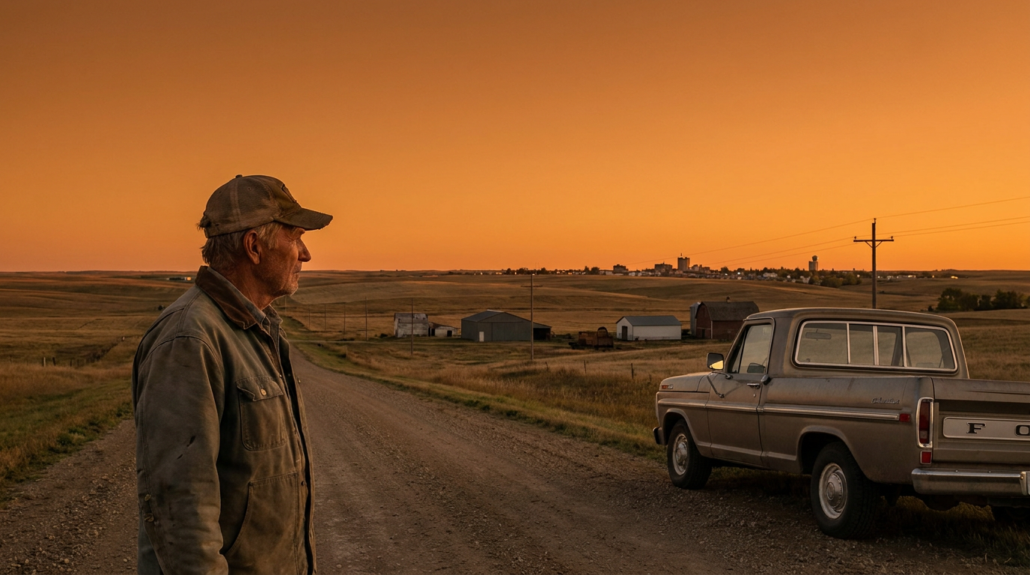
Picture this: a veteran dealing with PTSD lives forty-seven miles from the nearest VA medical center, with no reliable transportation and spotty internet connection. For millions of rural veterans across America, this scenario represents a daily reality that creates barriers to essential support services most urban veterans take for granted.
The geographic divide between rural veterans and critical support services represents one of the most pressing challenges facing our veteran community today. While policy discussions often focus on funding levels and program effectiveness, the fundamental issue of physical access remains a significant obstacle that affects everything from mental health treatment to veterans affairs programs delivery across vast rural territories.
Defining Geographic Isolation in Veteran Communities
Geographic isolation for veterans extends far beyond simple distance measurements. It encompasses the complex interplay of physical remoteness, transportation limitations, and infrastructure deficits that collectively create barriers to accessing support services.
Rural veteran communities often face what researchers term “compound isolation” – where distance combines with limited public transportation, unreliable internet connectivity, and sparse healthcare infrastructure. A veteran might live within fifty miles of a VA facility but still experience effective isolation due to impassable roads during winter months, lack of vehicle access, or inability to take time off work for lengthy travel.
This isolation becomes particularly acute when considering specialized services. While a rural area might have a general practitioner, accessing veteran-specific programs like PTSD counseling, vocational rehabilitation, or disability evaluation services often requires travel to urban centers. The time and cost associated with these journeys can make regular participation in treatment programs practically impossible.
Statistical Overview of Rural Veteran Populations
Rural areas house approximately 2.7 million veterans – roughly 15% of the total veteran population. These communities show distinct demographic patterns that intensify service access challenges.
Veterans in rural settings are typically older than their urban counterparts, with 42% being over age 65 compared to 35% in metropolitan areas. This age difference directly impacts healthcare needs and transportation capabilities. Additionally, rural veteran unemployment rates fluctuate more dramatically than urban areas, often spiking during agricultural off-seasons or when local industries face downturns.
Income disparities further complicate the picture. Rural veteran households report median incomes approximately 12% lower than urban veteran families, while facing proportionally higher transportation costs for accessing services. These financial pressures force many veterans to choose between immediate family needs and seeking support services located hours away.
The data reveals concerning patterns in service utilization. Rural veterans access VA mental health services at rates 23% lower than urban veterans, despite reporting similar or higher rates of service-connected disabilities and mental health conditions.
The Distance Factor: Miles Between Veterans and Services
Distance creates cascading effects that multiply the challenges rural veterans face when seeking support. The average rural veteran lives 65 miles from the nearest full-service VA medical center, compared to 17 miles for urban veterans.
This distance translates into significant time investments. A routine appointment becomes an all-day commitment involving travel time, waiting periods, and return journeys. For veterans requiring regular therapy sessions or ongoing medical treatment, these time requirements become unsustainable barriers.
Transportation costs add another layer of complexity. Veterans on fixed incomes must budget for gas, vehicle maintenance, and potentially overnight accommodations for distant appointments. Some veterans report spending over $200 monthly on transportation costs related to accessing VA services – expenses that can force difficult choices between seeking help and meeting basic family needs.
Weather conditions intensify these distance-related challenges. Rural veterans often describe months when snow, flooding, or severe storms make travel to distant services impossible, creating gaps in treatment continuity that can undermine progress in addressing serious conditions.
Unique Challenges Facing Rural vs. Urban Veterans
Rural veterans encounter distinct obstacles that urban veterans rarely experience. The lack of anonymity in small communities can create reluctance to seek mental health services, as veterans worry about stigma affecting their reputation within tight-knit rural networks.
Employment options differ significantly between rural and urban areas. While urban veterans can access diverse job markets and career transition programs, rural veterans often face limited employment opportunities that may not utilize their military skills effectively. Agricultural work, while available, may not accommodate service-connected disabilities or provide the career advancement opportunities veterans seek.
Technology infrastructure gaps create additional barriers. Rural internet speeds often cannot support telehealth appointments reliably, limiting veterans’ ability to access remote counseling or medical consultations. When organizations like a wounded veteran charity offer online resources or virtual support groups, connectivity issues prevent rural veterans from participating fully.
Family dynamics also play different roles in rural versus urban settings. Rural veteran families may be more geographically isolated from extended support networks, placing greater caregiving burdens on immediate family members who may lack access to respite services or support groups available in urban areas.
Critical Support Services Most Affected by Distance
Mental Health and Counseling Services
Mental health support represents one of the most critical gaps in rural veteran care. While 20% of veterans nationwide experience mental health challenges, rural veterans face significantly longer wait times and limited provider access. The nearest VA mental health facility often sits 100+ miles away, creating a barrier that can literally mean the difference between crisis intervention and tragedy.
Traditional therapy models require weekly in-person appointments, something nearly impossible when driving three hours roundtrip for a 50-minute session. This geographic isolation forces many veterans to skip appointments or abandon treatment altogether. Recent studies show rural veterans are 25% less likely to complete mental health treatment programs compared to their urban counterparts.
The expanding telehealth programs offer hope, but reliable internet remains spotty in many rural areas. Veterans often struggle with technology barriers that urban populations take for granted.
Medical Care and VA Healthcare Access
VA medical centers concentrate in metropolitan areas, leaving vast rural regions underserved. A veteran living in rural Montana might face a 200-mile drive to reach the nearest VA facility. This distance doesn’t just inconvenience—it creates life-threatening delays for urgent care needs.
Specialty care becomes even more challenging. Cardiology, oncology, and other specialized services often require multiple appointments over weeks or months. Rural veterans frequently delay or forgo this care entirely due to travel burdens. The financial impact compounds when considering lodging costs for multi-day medical trips.
Emergency situations highlight this crisis most starkly. When a rural veteran experiences a cardiac event or mental health emergency, the nearest appropriate facility may be hours away. Local hospitals, while well-intentioned, often lack the specialized understanding of military-related conditions and VA coordination protocols.
Benefits Assistance and Claims Support
Navigating VA benefits requires expertise that rural communities rarely possess locally. Veterans Service Officers (VSOs) who understand complex disability claims, appeals processes, and benefit calculations typically work from regional offices serving multi-county areas. This means face-to-face assistance happens maybe once monthly in smaller towns.
The paperwork alone creates obstacles. Many rural veterans lack reliable internet or computer access needed for online applications. Without local support, they often submit incomplete claims or miss critical deadlines. Appeal processes become particularly challenging when veterans can’t easily meet with representatives to review denial letters and strategize responses.
Compensation and pension exams, required for many benefit claims, present another hurdle. These medical evaluations must occur at approved facilities, again requiring substantial travel. Veterans often wait months for appointments at locations they can reasonably reach.
Employment and Career Transition Programs
Rural job markets offer limited opportunities for veterans transitioning from military service. While urban areas might have dozens of veteran-focused employment programs, rural veterans often find themselves competing in economies dominated by agriculture, manufacturing, or service industries that may not value their military skills.
Career counseling and job training programs concentrate in population centers. A veteran interested in technology, healthcare, or skilled trades might need to relocate entirely to access relevant training. This creates a difficult choice: maintain rural community ties or pursue career advancement opportunities.
Entrepreneurship support, often touted as an alternative for rural veterans, requires access to business development resources, mentorship, and capital that simply doesn’t exist in many rural areas. Small Business Administration programs and veteran business development initiatives remain largely urban-focused.
Housing and Financial Assistance
Rural housing markets present unique challenges for veterans seeking stable accommodations. Limited rental inventory means fewer options for veterans using housing vouchers or requiring temporary emergency housing. Many rural areas lack the supportive housing infrastructure that helps veterans transition from homelessness to stability.
Financial assistance programs often require in-person verification and ongoing case management. When the nearest wounded veteran charity office sits 75 miles away, accessing emergency financial help becomes nearly impossible during crisis situations. Rural veterans facing utility shutoffs, evictions, or medical emergencies can’t easily reach assistance providers during business hours.
Home ownership assistance programs, while available, require proximity to approved lenders, inspectors, and real estate professionals familiar with VA loans. Rural markets often lack these specialized services, limiting veterans’ ability to utilize their hard-earned benefits for homeownership.
Transportation and Infrastructure Barriers
Limited Public Transportation in Rural Areas
Rural communities face a stark reality when it comes to public transportation: it often doesn’t exist. While urban veterans might catch a bus or train to reach VA facilities, rural veterans frequently discover that the nearest public transit option is hours away, if available at all.
The numbers tell a sobering story. According to transportation studies, fewer than 30% of rural counties have any form of fixed-route public transportation. For veterans living in these areas, this means every medical appointment, every benefits meeting, and every support group session requires personal transportation. When you factor in that many rural VA facilities are located in larger towns rather than farming communities, the transportation gap becomes even more pronounced.
Consider a veteran living in eastern Montana who needs to attend a PTSD counseling session. The nearest VA facility might be 90 miles away, with no bus service connecting the two points. This veteran faces a choice: drive for nearly two hours each way or skip the appointment altogether. Too often, geography wins over healthcare.
Some rural areas have attempted to bridge this gap with demand-response transportation services, but these programs typically operate with limited schedules and often require advance booking. A veteran experiencing a mental health crisis can’t wait three days for the next available ride to seek help.
Vehicle Ownership and Maintenance Challenges
When public transportation isn’t an option, personal vehicles become lifelines for rural veterans. But vehicle ownership comes with its own set of barriers that urban dwellers rarely consider.
Rural veterans often drive older vehicles longer distances on challenging terrain. A trip to the VA hospital that takes 20 minutes in the city might require 90 minutes of highway driving for a rural veteran. This puts additional wear on vehicles, leading to more frequent repairs and higher maintenance costs.
The financial burden can be crushing. Veterans already struggling with unemployment or underemployment face mounting costs: fuel for long-distance trips, higher insurance rates in rural areas, and repair bills that come more frequently due to increased mileage. When a transmission fails or an engine needs major work, it doesn’t just mean inconvenience (it means complete isolation from support services).
Rural mechanics also charge differently than their urban counterparts. Parts take longer to arrive, specialized services might not be available locally, and labor costs can vary significantly. For veterans living paycheck to paycheck, an unexpected $800 repair bill doesn’t just strain the budget, it can completely cut off access to medical care and essential benefits for weeks or months.
Weather and Seasonal Access Issues
Rural transportation challenges intensify dramatically when weather enters the equation. Veterans in northern plains states, mountain regions, or areas prone to severe weather face seasonal isolation that can last for months.
Winter storms don’t just make driving difficult; they can make it impossible. A veteran scheduled for a critical appointment during a blizzard faces a dangerous choice: risk life and safety on treacherous roads or miss potentially life-saving care. Rural roads receive lower priority for snow removal, and many veterans live on gravel or dirt roads that become impassable during severe weather.
Spring brings its own challenges. Flooding can wash out bridges and make rural roads impassable for days or weeks. Mud season in many rural areas means that even four-wheel-drive vehicles can’t navigate unpaved roads. These aren’t minor inconveniences when you’re trying to reach a dialysis appointment or mental health counseling session.
Seasonal weather patterns also affect vehicle reliability. Cold temperatures strain older engines and batteries, often causing breakdowns at the worst possible times. Veterans who might normally manage a long drive to VA services find themselves stranded when their vehicle won’t start on a sub-zero morning.
Internet Connectivity for Telehealth Services
Technology promises to bridge geographic gaps through telehealth and remote services, but rural internet infrastructure remains stubbornly inadequate for many veterans’ needs.
Broadband access in rural areas lags significantly behind urban availability. Many rural veterans still rely on dial-up connections or satellite internet with data caps and weather-related outages. These connections can’t support video consultations that are becoming standard for VA telehealth services.
Even when broadband is available, reliability becomes an issue. Rural internet providers often struggle with maintenance and upgrades, leading to frequent outages during critical appointments. A veteran scheduling a telehealth session for medication management can’t afford to lose connection mid-consultation.
The digital divide affects more than just video calls. Many VA services now require online portals for scheduling, prescription refills, and accessing medical records. Veterans without reliable high-speed internet find themselves excluded from these supposedly convenient digital solutions, creating yet another barrier to accessing the care they’ve earned.
Technology Solutions and Remote Service Delivery
Telehealth Programs for Rural Veterans
The Department of Veterans Affairs has dramatically expanded telehealth capabilities, transforming how rural veterans access healthcare and mental health services. VA Video Connect now serves over 2.3 million veterans annually, with rural areas accounting for nearly 40% of all telehealth appointments. This technology bridges the gap when the nearest VA medical center sits 150 miles away.
Mental health telehealth has proven especially valuable for rural veterans dealing with PTSD, depression, and substance abuse. Video counseling sessions eliminate the stigma of walking into a small-town clinic where everyone knows your business. Veterans can receive specialized trauma therapy from providers who understand military culture, even when they’re stationed hours from major treatment centers.
Primary care telehealth addresses routine medical needs that previously required all-day trips to distant facilities. Remote monitoring devices help veterans with diabetes, hypertension, and heart conditions manage chronic conditions from home. The VA’s Home Telehealth program has reduced hospital readmissions by 25% among rural participants while cutting healthcare costs significantly.
Mobile Outreach and Traveling Services
Mobile vet centers bring comprehensive services directly to rural communities on rotating schedules. These converted RVs and trailers staff licensed counselors, benefits specialists, and medical personnel who understand the unique challenges of rural living. The mobile units typically visit small towns monthly, providing consistency that rural veterans can count on.
Vet centers focus heavily on readjustment counseling and PTSD treatment, services that many rural veterans avoid seeking due to distance and stigma. Mobile teams build relationships within communities, often partnering with local churches, VFW posts, and community centers to create comfortable, familiar environments for service delivery.
Some states operate mobile benefits assistance programs that help veterans navigate complex paperwork for disability claims, education benefits, and housing assistance. These traveling teams understand that community-based interventions work best when they meet veterans where they are, rather than expecting them to travel hundreds of miles for help.
Online Benefits and Claims Processing
The VA’s digital transformation has revolutionized benefits processing for rural veterans who previously faced significant barriers to filing and managing claims. eBenefits and VA.gov now handle 85% of all disability claims submissions, eliminating the need for multiple trips to regional offices that might be located several hours away.
Veterans can upload medical records, submit evidence, and track claim status online 24/7. This digital access proves crucial for rural veterans whose work schedules or transportation limitations prevent them from visiting VA facilities during business hours. The average processing time for online claims has decreased by 30% compared to paper submissions.
Online education benefits processing through the GI Bill Comparison Tool helps rural veterans research and apply to colleges and vocational programs that offer distance learning options. Many rural veterans pursue online degrees specifically because campus-based programs remain geographically inaccessible, making streamlined online benefits processing essential for their educational success.
Digital Literacy and Technology Access
Rural broadband limitations create significant barriers to accessing technology-based veteran services. Approximately 35% of rural areas still lack reliable high-speed internet, making telehealth appointments frustrating and online benefits processing nearly impossible. Veterans Affairs has partnered with local libraries and community colleges to provide computer access and internet connectivity for veterans without adequate home technology.
Digital literacy training programs specifically designed for veterans help older service members navigate online platforms confidently. These programs often focus on VA.gov navigation, secure messaging with healthcare providers, and understanding online privacy protections. Veterans Service Organizations frequently host these training sessions in rural communities, recognizing that technology skills directly impact service access.
Smartphone-based applications have become crucial tools for rural veterans, especially the VA mobile app and secure messaging systems. Many rural veterans find mobile internet more reliable than home broadband, making smartphone literacy essential. Programs that teach veterans to use mobile banking, telehealth apps, and benefits tracking tools on phones often prove more practical than computer-based training in areas with limited internet infrastructure.
Technology access programs sometimes provide refurbished computers or tablets to low-income rural veterans, understanding that hardware costs can prevent families from accessing online services. When combined with digital literacy training and technical support, these programs help rural veterans overcome both equipment and skill barriers that limit their access to critical support services.
Community-Based Solutions and Local Partnerships
Leveraging Local Healthcare Providers
Rural healthcare providers serve as critical allies in veteran support networks, often functioning as the first point of contact for veterans seeking assistance. Family physicians, nurse practitioners, and rural health clinics frequently identify veterans experiencing mental health crises, substance abuse issues, or social isolation before formal veteran services become involved. These providers understand their communities intimately and can bridge the gap between clinical care and comprehensive veteran support.
Successful partnerships begin with education. Healthcare providers need training to recognize veteran-specific conditions like military sexual trauma, combat-related PTSD, and the unique challenges of military culture. When providers understand how veteran support evolves within healthcare settings, they become more effective advocates and referral sources.
Rural hospitals and clinics can also serve as satellite locations for VA services. Mobile health units, periodic specialist visits, and shared electronic health records create continuity of care that spans geographic barriers. Some innovative programs have nurse practitioners in rural clinics conducting mental health assessments via telehealth while a psychiatrist supervises remotely, dramatically improving access to specialized care.
Faith-Based and Community Organization Partnerships
Churches, civic organizations, and community groups possess something that government agencies often lack: deep local roots and established trust within rural communities. Veterans who might hesitate to seek formal services often feel comfortable approaching familiar community institutions for help. These organizations understand local culture, know families personally, and can provide support without the bureaucratic barriers that sometimes characterize federal programs.
Faith-based partnerships prove particularly valuable because they address both practical and spiritual needs. Churches often have existing food pantries, clothing drives, and emergency assistance funds that can provide immediate help while veterans navigate longer-term support applications. They also offer social connections that combat the isolation many rural veterans experience.
Successful community partnerships require clear protocols and training. Organizations supporting veterans through programs that donate to injured need to understand eligibility requirements, privacy considerations, and appropriate referral procedures. Regular communication between community partners and veteran service organizations ensures veterans receive comprehensive support without duplication or gaps in services.
Local civic groups like VFW posts, American Legion chapters, and Rotary clubs bring additional resources and advocacy power. These organizations often have members with business connections who can provide employment opportunities or emergency assistance that complements formal veteran programs.
Peer Support Networks in Rural Areas
Rural veteran peer support networks operate differently than their urban counterparts, often relying on informal connections and word-of-mouth communication rather than structured programs. Veterans in farming communities might connect during coffee shop conversations, at grain elevators, or through agricultural cooperatives. These informal networks provide crucial emotional support and practical advice about navigating veteran benefits and local resources.
Formal peer support programs adapted for rural settings show remarkable effectiveness when they acknowledge local communication patterns. Rather than requiring veterans to travel to centralized locations, successful programs bring peer supporters to where veterans already gather. Some programs train veteran peer supporters to attend county fairs, livestock auctions, or community events where they can naturally connect with isolated veterans.
Technology enhances peer networks through private social media groups, text messaging chains, and video calls that maintain connections across distances. Veterans supporting each other through wounded veteran charity initiatives often develop lasting friendships that extend beyond formal program boundaries.
The military mindset of “leave no one behind” translates powerfully to peer support. Rural veterans often travel significant distances to help fellow veterans in crisis, provide transportation to appointments, or assist with paperwork and applications. This organic support system requires nurturing rather than replacement.
Transportation Assistance Programs
Community-based transportation solutions address one of the most significant barriers to veteran service access in rural areas. Volunteer driver programs, often coordinated through churches or civic organizations, provide reliable transportation to medical appointments, benefit applications, and support group meetings. These programs typically recruit retired community members who understand rural geography and driving conditions.
Some communities develop innovative shared transportation models. Veterans coordinate carpools for VA appointments, sharing both driving responsibilities and costs. Rural transit authorities sometimes establish veteran-specific routes or provide vouchers for taxi services to critical appointments.
Emergency transportation assistance proves especially important during mental health crises or medical emergencies. Community partnerships can provide immediate transportation to crisis centers or VA facilities when formal emergency services might face long response times in remote areas.
Successful transportation programs maintain flexible schedules that accommodate weather conditions, seasonal work demands, and the unpredictable nature of rural life. They also address practical concerns like wheelchair accessibility and medical equipment transport that ensure all veterans can access necessary services regardless of physical limitations.
Advocacy and Policy Recommendations
Legislative Solutions for Rural Veteran Access
Federal legislation must address the unique challenges facing rural veterans through targeted policy reforms. The Rural Veterans Health Care Improvement Act represents a crucial step forward, but implementation requires sustained congressional support and adequate funding allocation. This legislation specifically tackles geographic barriers by expanding telehealth capabilities and establishing mobile clinic programs.
State-level advocacy proves equally important, particularly for housing assistance programs that complement federal benefits. Many states lack comprehensive rural veteran support frameworks, leaving critical gaps in service delivery. Legislative priorities should include expanding broadband infrastructure funding, creating rural veteran transportation voucher programs, and establishing regional coordination requirements between federal and local agencies.
Policy reform must also address the bureaucratic complexity that disproportionately affects isolated veterans. Streamlining application processes, reducing documentation requirements for distance-related hardships, and implementing automatic eligibility transfers between programs can dramatically improve access rates in remote areas.
Funding Priorities for Remote Service Delivery
Strategic funding allocation represents the backbone of effective rural veteran support. Federal agencies need dedicated budget lines specifically for geographic isolation challenges, moving beyond one-size-fits-all urban-centered models. The VA’s current rural health initiative receives approximately $250 million annually, but experts estimate that true parity requires nearly double that investment.
Technology infrastructure funding deserves immediate priority, particularly for telehealth expansion and secure communication systems. Rural areas often lack the basic broadband capacity necessary for effective remote service delivery. Without reliable internet access, even the most innovative digital solutions fail to reach veterans who need them most.
Transportation funding presents another critical need. Mobile clinic programs, veteran shuttle services, and mileage reimbursement programs require substantial upfront investment but deliver measurable outcomes. Studies show that every dollar invested in rural veteran transportation yields approximately $3.50 in improved health outcomes and reduced emergency interventions.
Community partnership grants offer exceptional value by leveraging existing local resources. When wounded veteran charity organizations partner with rural healthcare systems, faith-based groups, and municipal governments, funding multiplies its impact through collaborative service delivery models.
How Veterans and Families Can Advocate for Change
Individual advocacy creates powerful momentum for systemic change, but rural veterans need specific strategies to amplify their voices effectively. Connecting with local representatives through town halls, veteran service organization meetings, and community forums builds essential relationships. Personal stories carry tremendous weight when lawmakers consider rural veteran legislation.
Coalition building strengthens advocacy efforts exponentially. Rural veterans should collaborate with agricultural groups, rural healthcare advocates, and economic development organizations that share common infrastructure concerns. These partnerships create broader political coalitions with increased influence potential.
Digital advocacy tools enable rural veterans to participate in policy discussions despite geographic constraints. Social media campaigns, online petition drives, and virtual lobbying efforts level the playing field between rural and urban advocates. Documentation through photos, videos, and written testimonials helps legislators understand the real-world impact of policy decisions.
Engaging with local veteran advisory provides structured advocacy opportunities while building community connections. These councils often serve as direct communication channels between rural veteran populations and policy makers at multiple government levels.
Supporting Organizations Making a Difference
National organizations dedicated to rural veteran support require sustained community backing to maintain critical programs. These groups understand the complex intersection of geographic isolation, limited resources, and veteran-specific challenges that rural communities face daily.
Local veteran service organizations often provide the most immediate impact through direct service delivery and individual case management. Supporting these groups through volunteerism, financial contributions, and community partnership development strengthens the entire rural veteran support ecosystem.
Faith-based and community organizations frequently fill gaps that government programs cannot address quickly enough. Churches, volunteer fire departments, and civic groups often provide emergency assistance, transportation solutions, and social connection opportunities that prevent crisis situations from escalating.
Geographic isolation should never determine the quality of support our veterans receive. Through coordinated advocacy efforts, strategic policy reforms, and sustained community engagement, we can ensure that distance becomes merely a logistical challenge rather than an insurmountable barrier. Supporting organizations that understand rural veteran challenges creates lasting change that extends far beyond individual cases. When we donate to injured and advocate for comprehensive rural support systems, we honor the service of those who protected our nation regardless of where they choose to call home.