
Emergency Dental Care Access for Unemployed Veterans Without VA Coverage
Understanding the Coverage Gap: Why Veterans Fall Through the Cracks
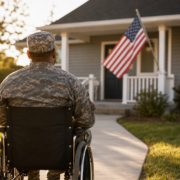
Marcus served two tours in Afghanistan before returning home to face an unexpected enemy: a severe tooth infection that his local VA clinic couldn’t treat. Despite his honorable discharge and years of military service, he discovered that dental coverage through the Veterans Administration requires specific eligibility criteria that many unemployed veterans simply don’t meet. His story isn’t unique.
Thousands of veterans across the country find themselves caught between their military service ending and stable employment beginning, often without comprehensive healthcare coverage during this critical transition period. When dental emergencies strike during unemployment, the financial burden can push already struggling veteran families into deeper crisis.
Eligibility barriers for VA dental benefits
The VA dental program operates under strict eligibility requirements that exclude many veterans who need care most. Veterans must meet specific criteria: having a service-connected dental condition rated at 10% or higher, being rated 100% disabled, or having certain other qualifying circumstances. Unfortunately, these requirements leave significant gaps in coverage for veterans whose dental problems developed after service or weren’t directly connected to military duties.
Even veterans who qualify for some VA healthcare benefits often discover their dental coverage is extremely limited. Class II and Class IV dental benefits, which cover most unemployed veterans, typically only provide emergency care for pain relief rather than comprehensive treatment. This means a veteran might receive pain medication for an infected tooth but not the root canal or extraction needed to solve the underlying problem.
The application process itself creates additional barriers. Veterans must navigate complex paperwork while dealing with dental pain, and approval can take weeks or months. For someone experiencing severe dental symptoms, waiting for bureaucratic processes to complete simply isn’t realistic when immediate intervention is necessary for both health and employment prospects.
Employment status and healthcare access challenges
Unemployment creates a devastating cycle for veterans needing dental care. Most employer-sponsored insurance plans include dental benefits, but veterans between jobs or struggling to find work after military service often face months without coverage. The gap becomes particularly problematic because administrative changes affecting can impact benefit processing times and available services.
Veterans transitioning from active duty to civilian employment frequently encounter a coverage gap period where their military healthcare ends before civilian benefits begin. During this vulnerable window, dental emergencies can derail job search efforts entirely. It’s difficult to interview successfully or perform job duties when dealing with severe dental pain or visible dental problems that affect speech and confidence.
The financial reality compounds these challenges. Unemployed veterans typically lack both steady income and dental insurance, making emergency dental procedures financially impossible. A simple root canal can cost $1,500 or more, representing months of unemployment benefits or emergency savings that veteran families can’t afford to spend.
The hidden costs of delayed dental treatment
What begins as a manageable dental issue often escalates into a medical emergency when veterans can’t access timely care. A cavity that could be filled for $200 becomes an infection requiring extraction and eventual implant work costing thousands. Emergency room visits for dental pain provide temporary relief but no permanent solutions, creating recurring expenses that drain limited resources.
Beyond direct medical costs, delayed dental treatment impacts employment prospects significantly. Visible dental problems or ongoing pain affect interview performance and workplace productivity. Veterans may avoid social interactions or networking opportunities that could lead to employment, perpetuating the cycle of unemployment and healthcare access challenges.
The psychological impact shouldn’t be underestimated either. Dental problems affect self-confidence and social interaction, particularly problematic for veterans already adjusting to civilian life. Many veterans report avoiding job interviews or social situations due to embarrassment about their dental appearance, creating additional barriers to stable employment and community reintegration.
Common misconceptions about veteran healthcare coverage
Many veterans assume their military service guarantees comprehensive healthcare coverage, including dental care. This misconception often delays seeking alternative solutions until dental problems become severe. While the VA provides excellent healthcare for qualifying conditions, dental coverage operates under different rules that many veterans don’t fully understand until they need emergency care.
Another widespread misconception involves the scope of emergency coverage. Veterans may believe that presenting to a VA emergency room will result in comprehensive dental treatment, when in reality, emergency departments typically only provide pain management and antibiotics. The underlying dental problem remains untreated, often worsening over time.
Some veterans also mistakenly believe that recent veterans’ benefits automatically expanded dental coverage. While certain programs have expanded, dental benefits remain limited and subject to specific eligibility criteria that don’t cover all veterans in need of emergency care.
Immediate Relief Options When Dental Pain Can’t Wait
Identifying true dental emergencies versus urgent care needs
When severe dental pain strikes an unemployed veteran without VA coverage, distinguishing between a true emergency and urgent care need determines where to seek help and how much you’ll pay. True dental emergencies require immediate medical attention within hours and include uncontrolled bleeding from the mouth, facial swelling that affects breathing or swallowing, trauma involving broken jaw bones, or severe infections spreading to the neck or face.
Urgent dental issues cause significant pain but aren’t immediately life-threatening. These include severe toothaches, lost fillings causing sharp pain, broken teeth without facial trauma, or localized gum swelling. While painful and requiring prompt attention within 24-48 hours, urgent cases offer more treatment options and typically cost less than emergency department visits.
The financial difference matters significantly for unemployed veterans. Emergency departments must treat life-threatening conditions regardless of payment ability, but dental emergencies often result in bills ranging from $1,500 to $5,000. Urgent care visits or community health centers typically charge $150 to $400 for initial assessment and temporary pain relief.
Document symptoms carefully before seeking care. Take photos of visible swelling, note temperature readings if fever develops, and track pain levels on a scale of 1-10. This information helps medical staff prioritize treatment and provides documentation for potential financial assistance applications.
Hospital emergency departments: when to go and what to expect
Emergency departments become the only option when dental pain accompanies serious symptoms like difficulty swallowing, breathing problems, high fever above 101°F, or facial swelling extending to the eye area. Veterans experiencing these symptoms should seek immediate medical attention regardless of insurance status, as federal law requires emergency treatment.
Understand what emergency departments can and cannot provide for dental issues. ER physicians excel at managing pain, prescribing antibiotics for infections, and addressing trauma, but they rarely perform dental procedures like extractions or root canals. Expect to receive pain medication, antibiotics if infection is present, and referrals for follow-up dental care within 24-72 hours.
Prepare for significant wait times unless symptoms indicate life-threatening conditions. Dental pain ranks lower on emergency triage scales than heart attacks, strokes, or serious injuries. Bring identification, any medication lists, and contact information for family members who can assist with transportation or decision-making.
Request financial counseling before leaving the emergency department. Most hospitals employ financial counselors who can establish payment plans, apply for charity care programs, or connect veterans with additional resources. Many hospitals offer sliding-scale fees based on income, which unemployed veterans often qualify for automatically.
Understanding recent changes can also help veterans identify alternative support options beyond emergency care.
Community health centers serving veterans
Federally Qualified Health Centers (FQHCs) provide dental services on sliding fee scales based on income, making them ideal options for unemployed veterans. These centers must treat patients regardless of insurance status and typically charge $50 to $200 for dental emergencies, significantly less than private practices or emergency departments.
Locate nearby FQHCs using the Health Resources and Services Administration website or by calling 211 for local resource information. Many centers reserve emergency appointments for urgent cases and can often see patients within 24 hours. Some centers specifically serve veteran populations and understand military-specific health challenges.
Community health centers often coordinate care with local veteran service organizations and may have relationships with volunteer dental programs. Staff members frequently know about additional resources like dental schools offering reduced-cost care or charitable organizations providing emergency dental grants.
Bring documentation of military service, unemployment status, and any household income information to qualify for reduced fees. Most centers accept applications for charity care on the same day as treatment, allowing immediate financial relief while receiving necessary care.
Pain management strategies while seeking treatment
Over-the-counter pain relievers provide temporary relief while arranging professional care, but proper dosing matters for safety and effectiveness. Alternate ibuprofen (600-800mg every 6-8 hours) with acetaminophen (1000mg every 6 hours) for maximum pain control without exceeding recommended daily limits. This combination often provides better relief than either medication alone.
Cold compresses applied to the outside of the face for 15-20 minutes every few hours reduce swelling and numb pain. Avoid applying ice directly to skin and never use heat on dental infections, which can worsen swelling and spread bacteria.
Rinse gently with warm salt water (1/2 teaspoon salt in 8 ounces warm water) to reduce bacteria and soothe irritated tissues. Avoid vigorous swishing, which can dislodge blood clots or worsen pain. Sleep with your head elevated using extra pillows to reduce blood flow to the affected area and minimize throbbing pain.
Avoid alcohol, which interferes with pain medications and can increase bleeding risk. Similarly, stop tobacco use temporarily, as it slows healing and increases infection risk. Veterans dealing with substance use challenges may find additional support through programs detailed in pact act updates covering comprehensive veteran healthcare services.
Free and Low-Cost Dental Programs Available to Veterans
Nonprofit organizations providing veteran dental care
Several national and regional nonprofits specialize in connecting unemployed veterans with emergency dental care when traditional VA coverage isn’t available. America’s ToothFairy operates a comprehensive network that partners with local dentists to provide free treatment for qualifying veterans, often processing applications within 48 hours for urgent cases.
The National Foundation of Dentistry for the Handicapped runs the Donated Dental Services program, which has treated over 140,000 patients since 1985. Veterans facing unemployment or financial hardship typically qualify for their services, which include everything from emergency extractions to comprehensive restorative work. Their application process requires proof of income (or lack thereof) and military service documentation.
Remote Area Medical frequently holds large-scale dental clinics specifically targeting veteran populations. These multi-day events can serve 500+ patients, with veterans receiving priority scheduling. Mission of Mercy clinics operate similarly, offering free dental care during weekend events held at schools or community centers across the country.
Local veteran service organizations often maintain partnerships with dental providers in their communities. Organizations focused on building financial stability for veteran families understand that untreated dental issues can become employment barriers, preventing veterans from returning to work.
Dental schools and training programs offering reduced rates
Dental schools represent one of the most reliable sources for affordable emergency dental care, with treatment costs typically 60-80% lower than private practice rates. Students perform the work under direct supervision of licensed faculty, ensuring quality care while gaining practical experience.
Most dental school clinics operate year-round (except summer breaks), with many offering emergency hours for urgent cases. The University of Pennsylvania School of Dental Medicine, NYU College of Dentistry, and UCLA School of Dentistry all maintain dedicated programs for veterans and active military families.
Dental hygiene programs at community colleges also provide preventive services at reduced rates. While they can’t handle extractions or major restorative work, these programs excel at cleanings, fluoride treatments, and identifying problems before they become emergencies. Many unemployed veterans use these services for maintenance care while seeking employment.
The application process at dental schools typically involves an initial screening appointment where faculty assess treatment needs and assign cases to appropriate student skill levels. Emergency cases often receive priority scheduling, with some schools offering same-week appointments for urgent dental pain.
Faith-based and community volunteer clinics
Faith-based dental clinics operate in communities nationwide, many specifically welcoming veterans regardless of religious affiliation. Catholic Charities dental programs, Lutheran Services dental ministries, and independent church-sponsored clinics often provide emergency care on sliding fee scales or completely free for unemployed veterans.
Community health centers receiving federal funding are required to serve patients regardless of ability to pay. These Federally Qualified Health Centers (FQHCs) often include dental services, with fees based on household income. For unemployed veterans, this typically means free or significantly reduced-cost care.
Volunteer dental days organized by local dental societies occur regularly in most metropolitan areas. The California Dental Association’s CDA Cares events, Texas Mission of Mercy clinics, and Virginia Dental Association’s Give Kids a Smile (extended to veterans) programs provide thousands of hours of free care annually.
Many community clinics maintain wait lists for non-emergency procedures but can accommodate urgent dental pain within 24-48 hours. Some partnerships with organizations offering grant process support help veterans navigate multiple assistance programs simultaneously.
Mobile dental units and pop-up clinics in your area
Mobile dental units specifically targeting veteran populations operate in rural and underserved areas where traditional dental offices are scarce. The Veterans Community Living Centers mobile program serves multiple states, bringing complete dental services directly to veteran housing complexes and community centers.
Healthcare for Homeless Veterans programs often coordinate with mobile dental providers to reach unemployed veterans experiencing housing instability. These units carry portable equipment capable of performing extractions, fillings, and basic restorative work on-site.
Pop-up dental clinics appear regularly at veteran job fairs, stand-down events, and community gatherings. Many dentists volunteer their time during these events, understanding that dental problems often prevent veterans from successfully interviewing for employment. Veterans can typically walk in without appointments during these events.
To locate mobile dental services in your area, contact your local VA medical center’s social work department, call 211 for community resources, or check with county health departments. Many mobile units maintain Facebook pages or websites with current schedules and upcoming clinic locations.
Navigating Financial Assistance and Payment Programs
Emergency assistance funds specifically for veterans
When dental emergencies strike and traditional funding sources aren’t available, several veteran-specific emergency assistance programs can provide immediate financial relief. The Veterans Community Fund offers emergency grants ranging from $500 to $2,500 for urgent medical and dental needs, processing applications within 48 to 72 hours for qualifying veterans.
Operation Homefront’s Emergency Financial Assistance program covers critical expenses including emergency dental care for veterans facing financial hardship. Their grants typically range from $300 to $3,000, and they prioritize cases where veterans demonstrate immediate need and lack alternative resources. The application process requires documentation of the dental emergency, proof of veteran status, and basic financial information.
The Armed Forces Relief Trust provides another avenue for emergency dental funding, particularly effective for veterans who’ve exhausted VA benefits or fall outside coverage parameters. Their emergency assistance grants focus on preventing further financial instability, understanding that untreated dental issues often lead to more expensive complications.
Local Veterans of Foreign Wars (VFW) posts and American Legion chapters frequently maintain emergency assistance funds specifically for community veterans. These smaller, localized programs often move faster than national organizations and may have less stringent eligibility requirements. Contact your nearest post directly to inquire about available emergency dental assistance funds.
Dental practice payment plans and financing options
Many dental practices now offer veteran-specific payment arrangements, recognizing the unique financial challenges faced by unemployed veterans without comprehensive coverage. CareCredit, the most widely accepted healthcare financing option, offers promotional periods with zero percent interest for 6 to 24 months, making expensive procedures manageable through monthly payments.
Dental schools affiliated with major universities often provide significantly reduced-cost services performed by supervised students. These programs typically offer payment plans and sometimes sliding-scale fees based on income. The University of Maryland Dental School, for example, charges roughly 30-50% less than private practice rates and allows payment arrangements for veterans.
Some practices participate in veteran-specific financing programs like Proceed Finance or LendingClub Patient Solutions, which consider military service history as a positive factor in approval decisions. These programs often provide better terms than traditional credit applications, particularly valuable for veterans rebuilding their credit after service transitions.
When approaching dental offices directly, emphasize your veteran status and current unemployment situation. Many providers are willing to create custom payment arrangements, especially for emergency procedures. Some practices waive interest charges entirely for veterans, treating payment plans as professional courtesy rather than financing arrangements.
Medicaid coverage possibilities for eligible veterans
Unemployed veterans may qualify for Medicaid coverage that includes emergency dental benefits, though coverage varies significantly by state. In expansion states, veterans with household incomes below 138% of the federal poverty level typically qualify for Medicaid, which often covers emergency dental extractions and pain management.
The key distinction lies between “emergency” and “comprehensive” dental coverage under Medicaid. Emergency services usually include extractions, infection treatment, and trauma care, while routine cleanings and fillings may not be covered. However, emergency dental coverage through Medicaid still provides crucial access to pain relief and infection control.
Veterans should apply through their state’s Medicaid program rather than through VA systems, as these are separate benefit structures. The application process typically takes 30 to 45 days, but many states offer expedited processing for individuals facing medical emergencies, including severe dental pain or infection.
Some states offer specialized programs bridging VA and Medicaid coverage. California’s Veterans Health Care Coverage program, for instance, provides transitional benefits for veterans awaiting VA eligibility determinations or facing coverage gaps.
How to negotiate payment arrangements with providers
Successful payment negotiations with dental providers require preparation and understanding of standard industry practices. Begin by requesting an itemized estimate for necessary procedures, then propose a realistic payment timeline based on your current financial situation. Most providers prefer guaranteed monthly payments over uncertain collection efforts.
When negotiating, mention your veteran status and current unemployment circumstances early in the conversation. Many dental offices have unofficial policies offering discounts or extended payment terms for veterans, but these courtesies aren’t always advertised. Ask specifically about veteran discounts before discussing payment arrangements.
Consider offering a partial upfront payment to demonstrate good faith, even if it’s only $50 to $100. This approach often secures better payment terms and shows providers you’re committed to fulfilling your obligations. Document all payment agreements in writing, including total amounts, monthly payment schedules, and any interest or fee arrangements.
For complex procedures requiring multiple visits, negotiate phase payments tied to treatment milestones. This approach allows you to address the most urgent dental issues first while building payment history that may help secure financing for additional treatment phases down the road.
Building Your Support Network and Long-Term Strategy
Connecting with veteran service organizations for ongoing help
Building relationships with veteran service organizations creates a safety net that extends far beyond emergency dental situations. Organizations like the American Legion, Veterans of Foreign Wars, and Disabled American Veterans maintain local chapters with members who understand the unique challenges unemployed veterans face when accessing healthcare.
These groups often maintain informal networks of dental professionals who provide discounted services to veterans. Chapter leaders frequently know which local dentists offer veteran discounts or payment plans, information that doesn’t appear in online directories. Many chapters also maintain emergency assistance funds specifically for healthcare needs.
Regional veteran service organizations operate with deep knowledge of local resources and can connect you with dentists who participate in community service programs. These connections prove invaluable because they’re built on trust and shared military experience rather than purely transactional relationships.
Consider attending monthly chapter meetings even when you don’t need immediate help. Building these relationships before a crisis occurs means you’ll have established advocates when emergencies arise. Many veteran organizations also coordinate with wounded veteran charity programs that can provide financial assistance for dental emergencies.
Creating a personal healthcare advocacy team
Your healthcare advocacy team should include both professional and personal advocates who can support you during medical crises. Start by identifying a primary care physician who accepts uninsured patients and understands veteran healthcare needs. This doctor becomes your medical quarterback, coordinating referrals and emergency care when dental issues arise.
Include a veteran service officer in your team. These trained professionals understand VA systems and can help navigate complex eligibility requirements while you’re dealing with immediate health concerns. They often know about temporary assistance programs and can expedite applications during emergencies.
Add a trusted family member or friend who can advocate for you during medical appointments. Dental pain can impair your ability to think clearly and ask the right questions. Having someone present who understands your financial situation helps ensure you receive appropriate care recommendations within your budget.
Consider connecting with a social worker who specializes in veteran services. These professionals maintain current knowledge of assistance programs and can quickly identify resources during emergencies. They also understand the documentation requirements for various aid programs, helping you prepare applications more effectively.
Documenting your situation for future VA applications
Comprehensive documentation of your current dental situation strengthens future VA benefit applications and appeals. Create a detailed medical file that includes photographs of visible dental problems, pain logs documenting when symptoms occur, and records of any treatments you’ve received from emergency rooms or clinics.
Maintain copies of all denial letters from VA applications, along with explanations of why coverage was denied. This documentation helps identify specific eligibility gaps that might be addressed through appeals or changes in your circumstances. Include any correspondence with veteran service organizations about your case.
Document all financial hardship related to your dental situation. Keep receipts for over-the-counter pain medications, records of work days missed due to dental pain, and documentation of any emergency room visits for dental issues. This information supports applications for emergency financial assistance and demonstrates the ongoing impact of untreated dental problems.
Photograph and scan all documentation, storing digital copies in multiple locations. Emergency dental situations often develop quickly, and having immediate access to your complete file allows advocates to submit assistance applications without delays.
Preventive care resources to avoid future emergencies
Establishing preventive care routines significantly reduces the likelihood of future dental emergencies. Many community health centers offer sliding-scale preventive services that cost less than emergency treatments. Regular cleanings and checkups help identify problems before they become painful and expensive.
Dental schools provide excellent preventive care at reduced costs. Students perform cleanings and basic procedures under faculty supervision, often charging 50-70% less than private practice fees. These programs typically maintain waiting lists, so apply early and schedule routine appointments months in advance.
Community dental clinics often run preventive care programs specifically for veterans. These programs focus on education about proper oral hygiene and provide basic supplies like fluoride treatments and prescription mouth rinses. Some programs coordinate with organizations that donate to injured for additional support services.
Investigate pharmacy-based dental programs that offer basic preventive services. Some national pharmacy chains provide dental screenings and basic treatments in partnership with local dental schools. These programs often operate on walk-in bases and charge minimal fees for preventive services, making them accessible options for unemployed veterans maintaining their oral health between major treatments.
Taking Action: Your Step-by-Step Emergency Response Plan
Essential information to gather before making calls
Before reaching out for emergency dental assistance, compile your documentation to streamline the process and avoid delays when you’re already in pain. Your DD-214 discharge papers serve as proof of military service for most programs, while recent pay stubs or unemployment benefit statements demonstrate your current financial situation.
Gather your Social Security card, state-issued ID, and any medical records related to your dental emergency. If you’ve previously applied for VA benefits (even if denied), include those documents as well. Many assistance programs require proof of household size and income, so collect utility bills, lease agreements, or mortgage statements showing your address and family composition.
Create a simple one-page summary with your basic information: discharge date, branch of service, current employment status, household size, and monthly income. This preparation saves precious time during phone calls and demonstrates your seriousness to intake coordinators who field numerous requests daily.
Priority order for contacting assistance programs
Start with immediate relief options that can provide same-day or next-day assistance. Contact your local emergency room first if you’re experiencing severe pain, swelling, or signs of infection. Hospital social workers often maintain lists of dentists who accept emergency cases and payment plans.
Next, call community health centers in your area that offer sliding-scale dental services. These federally qualified health centers typically have shorter wait times than specialty programs and can provide temporary pain management while you pursue longer-term solutions.
Follow up with veteran-specific organizations in this order: local VFW and American Legion posts (they often know about emergency funds), state veteran affairs offices, and national organizations like wounded veteran charity programs that provide direct financial assistance. Regional dental schools represent excellent options for comprehensive care at reduced costs, though scheduling may take longer.
Contact religious organizations and community nonprofits last, as they typically require more extensive application processes. However, don’t overlook these resources entirely—many maintain emergency funds specifically for veterans facing immediate crises.
What to do if initial attempts for help are unsuccessful
Rejection from one program doesn’t mean all doors are closed. Each organization has different eligibility criteria, funding availability, and service areas. Document which programs you’ve contacted, what reasons they gave for declining assistance, and when their funding cycles reset.
Expand your geographic search beyond your immediate area. Some programs serve entire regions or states, and the extra travel time might be worthwhile for significant cost savings. Rural veterans often find better options by contacting urban programs willing to coordinate care.
Consider asking for partial assistance rather than full coverage. Many programs can contribute toward your dental bill even if they can’t cover everything. Combining multiple smaller funding sources often proves more successful than waiting for one large grant.
Request to speak with supervisors or case managers if front-desk staff immediately decline your request. Explain your veteran status clearly and ask specifically about emergency provisions or wait-list priority for military service members. Sometimes persistence yields different results from different staff members.
Following up and maintaining connections with helpful resources
Keep detailed records of every conversation, including names, direct phone numbers, and specific next steps. Many assistance coordinators appreciate working with organized applicants who follow through consistently. Send thank-you emails after positive interactions—this professional courtesy often leads to priority consideration for future needs.
Maintain relationships even after receiving help. Programs that assist you once are more likely to help again during future emergencies. Some organizations provide ongoing support for veterans who demonstrate responsibility and gratitude.
Share successful strategies with other veterans in your network. The assistance landscape changes frequently, and programs that helped you might benefit fellow service members. This builds community connections while contributing to the broader veteran support system.
When your financial situation improves, consider giving back to programs that provided assistance. Even small donations help sustain these critical resources for the next veteran facing similar challenges. Organizations like those that donate to injured rely on community support to maintain emergency assistance funds that bridge gaps during moments of crisis. Your proactive approach today not only addresses your immediate dental emergency but also creates pathways for ongoing support throughout your civilian transition.









Leave a Reply
Want to join the discussion?Feel free to contribute!