
Transportation Barriers That Keep Veterans from Accessing Essential Services in June 2026
The Current State of Veteran Transportation Access
When Army veteran Marcus Thompson missed his third VA appointment in six months due to transportation issues, he wasn’t just losing access to healthcare. He was falling deeper into a cycle that affects thousands of veterans across the country every day. The van service that once connected his rural Georgia town to the nearest VA facility had been discontinued, leaving him with a 90-minute drive each way for basic medical care.
This scenario plays out constantly in communities nationwide, where the gap between veteran needs and accessible services continues to widen. While federal programs exist to support our military families, the fundamental challenge of getting veterans to these resources remains a significant barrier that often goes unaddressed in policy discussions.
Geographic Disparities in Service Availability
The distribution of veteran services across the United States creates stark accessibility challenges that vary dramatically by location. Major metropolitan areas like Atlanta, Phoenix, and San Antonio host multiple VA medical centers, community-based outpatient clinics, and veteran service organization offices within reasonable distances. Veterans in these areas might have three or four different transportation options to reach essential services.
However, veterans living in states with vast rural territories face entirely different realities. Montana veterans, for example, often travel more than 200 miles to reach comprehensive VA facilities. The Billings VA Medical Center serves veterans across a territory larger than many entire states, creating situations where a routine mental health appointment requires overnight travel arrangements.
These geographic disparities become even more pronounced when considering specialized services. Veterans requiring specific treatments like spinal cord injury rehabilitation or blind rehabilitation might need to travel to one of only a handful of facilities nationwide. The financial and logistical burden of reaching these specialized centers often forces veterans to forgo critical care entirely.
Rural vs. Urban Transportation Challenges
Rural veterans face transportation barriers that urban veterans rarely encounter. Public transportation systems, when they exist at all in rural areas, typically don’t connect to VA facilities or veteran service offices. Many rural veterans rely on personal vehicles, but aging veteran populations often lose driving privileges due to medical conditions, creating immediate access crises.
Urban veterans deal with different but equally challenging transportation obstacles. While public transit options exist, navigating complex bus or subway systems can be overwhelming for veterans managing PTSD, traumatic brain injuries, or mobility limitations. The cost of parking at downtown VA facilities in cities like Washington D.C. or San Francisco can represent a significant expense for veterans already facing financial hardship.
Recent policy changes have further complicated these challenges. How Veterans Affairs highlights shifts in federal priorities that continue to impact service delivery and accessibility across different geographic regions.
Impact of Recent Infrastructure Changes on Veterans
The past several years have brought significant changes to veteran service infrastructure that directly affect transportation access. Base realignment and closure decisions have shifted veteran populations while service locations remain fixed in their original positions. Veterans who served at installations that have since closed often find themselves geographically isolated from the services they earned through military service.
Technology initiatives, while well-intentioned, sometimes create unintended transportation barriers. The push toward telehealth services assumes reliable internet access and technological literacy that many older veterans lack. When virtual appointments fail due to connectivity issues, veterans still need transportation to in-person alternatives, often with shorter notice periods that complicate travel arrangements.
State budget constraints have also affected veteran transportation programs. Several states have reduced funding for veteran-specific transportation services, eliminating shuttle programs and ride voucher systems that previously connected veterans to essential services.
Statistical Overview of Transportation-Related Service Gaps
Recent data reveals the scope of transportation-related access challenges facing veteran communities. Approximately 2.3 million veterans live in rural areas where the nearest VA facility is more than 60 minutes away by car. Among these rural veterans, nearly 40% are over age 65, an age group that experiences declining mobility and driving capabilities.
Transportation costs represent a significant financial burden for many veteran families. Veterans traveling more than 100 miles for VA appointments can receive mileage reimbursement, but the upfront costs of gas, vehicle maintenance, and potential overnight accommodations create immediate financial stress for families already managing tight budgets.
Service-connected disabled veterans face compounded transportation challenges. Veterans with mobility limitations require specialized transportation that many communities simply don’t provide. The result is that veterans who most need services often have the least access to them, creating gaps in care that can have serious long-term consequences for veteran health and stability.
Physical and Mobility Barriers Affecting Veterans
Service-Connected Disabilities and Transportation Needs
Veterans with service-connected disabilities face unique transportation challenges that directly impact their ability to access healthcare, employment services, and community resources. The Department of Veterans Affairs reports that over 4.7 million veterans receive disability compensation, with many experiencing conditions that significantly affect their mobility and transportation options.
Combat-related injuries create specific transportation barriers that civilian systems often fail to address adequately. Veterans with traumatic brain injuries may experience difficulty processing complex navigation systems or managing crowded public transportation environments. Those with PTSD might struggle with anxiety in confined spaces like buses or trains, while veterans with hearing loss face communication barriers when seeking assistance or directions.
Spinal cord injuries and amputations present the most obvious physical barriers, but conditions like chronic pain, joint problems, and fatigue disorders create equally challenging obstacles. A veteran dealing with chronic back pain from military service might find standard vehicle seating unbearable for trips longer than a few minutes. These seemingly “invisible” disabilities often receive less accommodation support, leaving veterans to navigate benefits systems that don’t fully recognize their transportation needs.
Adaptive Vehicle Requirements and Costs
The financial burden of adaptive vehicle modifications creates a significant barrier for veterans seeking independence in transportation. Basic hand controls for veterans with lower limb disabilities can cost between $800 and $2,500, while more complex modifications like wheelchair lifts range from $3,000 to $15,000. These costs often exceed the VA’s Automobile Adaptive Equipment grant maximum of $21,488.
Beyond initial modifications, veterans face ongoing maintenance costs that standard vehicle warranties don’t cover. Adaptive equipment requires specialized technicians for repairs, often meaning longer wait times and higher costs when critical mobility equipment fails. A broken wheelchair lift doesn’t just inconvenience a veteran; it completely eliminates their transportation independence.
Insurance complications add another layer of difficulty. Many standard auto insurance policies exclude coverage for adaptive modifications, leaving veterans vulnerable to substantial out-of-pocket expenses when equipment needs replacement. This financial uncertainty makes many veterans hesitant to invest in necessary vehicle adaptations, ultimately limiting their access to essential services.
Public Transit Accessibility Issues
While the Americans with Disabilities Act requires public transportation accessibility, the reality for many veterans falls short of true usability. Bus routes in suburban and rural areas where many veterans live often operate on limited schedules, making medical appointments challenging when transportation takes multiple transfers and several hours each way.
Urban transit systems, though more comprehensive, present their own obstacles. Elevator outages at subway stations can strand wheelchair-using veterans, while overcrowded buses may not have space for mobility devices during peak hours. Veterans with cognitive disabilities from traumatic brain injuries often find complex transit maps and electronic payment systems overwhelming without proper support.
Paratransit services, designed specifically for disabled individuals, typically require advance booking and operate with restrictive scheduling windows. Veterans needing immediate access to emergency services or dealing with unpredictable symptoms often can’t rely on systems requiring 24-hour notice. The result is delayed or missed medical appointments, contributing to declining health outcomes among veteran populations.
Wheelchair and Mobility Aid Accommodations
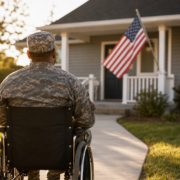
Veterans using wheelchairs, walkers, or other mobility aids encounter daily transportation barriers that limit their community participation. Standard taxi services often cannot accommodate wheelchairs, while rideshare companies with accessible vehicles remain scarce in many markets. When accessible options exist, wait times frequently exceed an hour, making spontaneous trips or time-sensitive appointments nearly impossible.
Airport and long-distance travel present additional complications. Veterans must navigate complex airline wheelchair policies, often arriving at destinations with damaged equipment due to cargo handling procedures. This uncertainty makes veterans reluctant to travel for family visits or specialized medical care available only in distant locations.
The maintenance and replacement of mobility equipment creates ongoing transportation dependencies. When a veteran’s wheelchair needs repair, they lose not just mobility within their home but all transportation independence. Backup equipment through the VA system often involves lengthy approval processes, leaving veterans stranded during critical repair periods. Organizations supporting veterans recognize these interconnected challenges, which is why groups focused on helping veterans maintain their independence continue their vital work year-round.
Financial Constraints and Transportation Costs
Vehicle Ownership Barriers for Low-Income Veterans
Nearly 40% of veterans live on fixed incomes that make vehicle ownership financially impossible. When disability benefits or retirement pay barely cover housing and healthcare costs, purchasing a reliable vehicle becomes an unattainable goal. The average used car now costs over $28,000, while many veterans receive monthly benefits ranging from $1,400 to $3,200.
Credit challenges compound this problem significantly. Veterans transitioning from military service often lack established civilian credit histories, making loan approval difficult even when they qualify for income. Those with service-connected disabilities may face extended periods without employment, creating gaps that traditional lenders view as red flags. Poor credit scores translate to interest rates exceeding 15%, pushing monthly payments beyond realistic budgets.
Down payment requirements create another substantial hurdle. Most dealerships require 10-20% down on used vehicles, meaning veterans need $2,800 to $5,600 upfront before considering monthly payments. For families already struggling with transition expenses and basic living costs, accumulating this amount can take months or years.
Rising Fuel Costs and Fixed Incomes
Fuel expenses consume an increasingly large portion of veteran household budgets. With gas prices fluctuating between $3.50 and $4.50 per gallon in many regions, veterans living in rural areas face monthly fuel costs exceeding $300 for basic transportation needs. Rural veterans often drive 50+ miles one-way to reach VA medical centers, creating substantial financial strain.
Fixed incomes cannot absorb these price increases. Veterans receiving disability compensation see annual cost-of-living adjustments averaging 2-3%, while fuel costs have risen 15-20% over the past two years. This gap forces impossible choices between attending medical appointments and purchasing groceries or paying utilities.
Older vehicles owned by low-income veterans typically achieve poor fuel economy. Many veterans drive vehicles over 10 years old that average 15-20 miles per gallon compared to newer models achieving 25-35 mpg. This efficiency gap translates to 40-60% higher fuel costs for the same distance traveled, disproportionately impacting those least able to afford increased expenses.
Insurance and Maintenance Expenses
Auto insurance costs present ongoing challenges for veteran families. Veterans with disability-related driving restrictions may face higher premiums, while those living in high-crime areas see rates exceeding $200 monthly for basic coverage. Young veterans under 25 pay particularly steep rates, with full coverage often costing $300-400 per month.
Maintenance expenses create recurring financial stress. Older vehicles require frequent repairs that can cost $500-1,500 without warning. Veterans often defer maintenance to manage immediate expenses, leading to more serious problems that render vehicles inoperable. A broken transmission or engine failure can cost $3,000-5,000 to repair, effectively ending vehicle ownership for families without emergency savings.
Preventive maintenance becomes unaffordable luxury. Oil changes, tire rotations, and brake inspections cost $200-400 quarterly, but veterans prioritize immediate needs like rent and food. This short-term thinking creates long-term consequences when deferred maintenance leads to major mechanical failures that could have been prevented.
Alternative Transportation Funding Gaps
Public transportation options remain inadequate in areas with high veteran populations. Rural communities often lack any public transit, while suburban areas may offer limited routes that don’t connect residential areas to medical facilities. Where public transport exists, monthly passes cost $50-120, still representing significant expenses for fixed-income families.
Rideshare services create unsustainable costs for regular use. Veterans needing weekly medical appointments face rideshare expenses of $40-80 per round trip, quickly exceeding $300 monthly. These costs rival car payments without building equity or providing transportation flexibility for other needs.
Existing transportation assistance programs cover only fraction of demand. VA’s Beneficiary Travel Program reimburses mileage for some appointments but requires upfront payment that many veterans cannot afford. Many veterans qualify for these programs but cannot access them because they lack initial funds for gas or vehicle repairs needed to reach appointments.
Community transportation programs face severe funding limitations. Donate to Injured initiatives help bridge some gaps, but demand far exceeds available resources. Volunteer driver programs struggle with insurance liability and scheduling coordination, creating inconsistent service that veterans cannot rely upon for regular medical care or job interviews.
Gaps in Existing Transportation Support Programs
VA Transportation Benefit Limitations
The Department of Veterans Affairs transportation benefits, while valuable, contain significant gaps that leave many veterans stranded when trying to access critical services. The Disabled American Veterans Transportation Network operates in only 48 states, creating immediate barriers for veterans in Alaska and Hawaii who face some of the longest travel distances to VA facilities.
Eligibility restrictions further compound these challenges. Veterans must have a service-connected disability rating of 30% or higher, or meet specific financial hardship criteria that many struggling families cannot navigate successfully. The 30% threshold excludes thousands of veterans with lower ratings who still experience transportation barriers, particularly those dealing with mental health conditions that weren’t initially rated at higher percentages.
Geographic limitations create another layer of complexity. VA medical centers concentrate in urban areas, leaving rural veterans facing journeys exceeding 100 miles for routine appointments. The reimbursement rate of $0.41.5 per mile covers only a fraction of actual transportation costs when factoring in vehicle wear, insurance, and time away from work. For veterans requiring frequent treatments, these expenses accumulate rapidly into financial hardship.
Volunteer Driver Program Shortfalls
Community-based volunteer driver programs struggle with chronic understaffing and inconsistent availability that creates unreliable transportation options for veterans. The Veterans Community Living Centers report volunteer driver shortages exceeding 40% in rural areas, where distances between veteran homes and service locations stretch program resources beyond capacity.
Background check requirements, while necessary for safety, create months-long delays in bringing new volunteer drivers online. Many potential volunteers abandon the application process during these extended waiting periods, exacerbating existing shortages. Insurance liability concerns further restrict volunteer participation, as personal auto insurance policies often exclude coverage for volunteer transportation services.
Scheduling coordination becomes increasingly complex when programs rely on volunteer availability rather than dedicated transportation schedules. Veterans frequently experience last-minute cancellations when volunteers face personal emergencies or vehicle problems, forcing them to miss critical medical appointments or mental health sessions. These disruptions particularly impact veterans managing conditions requiring consistent treatment schedules, where missed appointments can trigger significant setbacks in recovery progress.
Training gaps among volunteer drivers create additional challenges when supporting veterans with mobility devices or those experiencing PTSD episodes during transport. Without proper preparation, well-intentioned volunteers may inadvertently worsen veteran stress levels during what should be supportive transportation experiences.
Coordination Issues Between Service Organizations
Multiple veteran service organizations operating transportation programs in the same communities often lack coordinated scheduling systems, creating inefficient resource allocation and service gaps. The American Legion, VFW, DAV, and local nonprofits frequently duplicate efforts while missing opportunities to serve veterans who fall between program eligibility requirements.
Information sharing barriers prevent organizations from identifying veterans who might qualify for alternative transportation assistance when their primary program faces capacity limitations. Veterans navigate this fragmented system without clear guidance about available options, often abandoning service access attempts after encountering initial roadblocks.
Funding cycles that don’t align between organizations create periods where transportation assistance becomes unavailable across entire regions. When one program exhausts annual funding while others haven’t received their allocation renewals, veterans experience service interruptions that can last several months. These gaps particularly impact ongoing medical treatments that require consistent transportation support.
Geographic boundaries between service organizations sometimes leave certain communities underserved while others receive overlapping coverage. Rural areas frequently fall outside multiple program service areas, creating transportation deserts where have minimal options for accessing essential services.
Wait Times and Scheduling Challenges
Extended wait times for transportation assistance can stretch beyond 30 days in high-demand areas, forcing veterans to postpone critical medical appointments and mental health treatments. These delays particularly impact veterans managing time-sensitive conditions where treatment interruptions can result in significant health deteriorations or increased emergency room visits.
Inflexible scheduling systems that operate on predetermined routes and times often conflict with veteran appointment schedules at various service providers. Veterans requiring multiple services on the same day face coordination challenges when transportation programs cannot accommodate complex scheduling needs or multiple stops.
Emergency transportation needs frequently overwhelm existing program capacities, leaving veterans without immediate options when urgent situations arise. The lack of standby transportation resources means veterans may resort to expensive rideshare services or skip essential care entirely when facing unexpected transportation crises.
Advance notice requirements spanning two weeks or more prevent veterans from accessing same-day or next-day appointments that could address urgent health concerns before they escalate into emergency situations requiring more intensive interventions.
Technology and Digital Access Challenges
Ride-Sharing App Barriers for Older Veterans
Many veterans over 60 struggle with the app-based interface that dominates modern ride-sharing services. Unlike traditional taxi dispatch systems that relied on phone calls, services like Uber and Lyft require smartphone navigation, account setup, and payment processing through mobile apps. For veterans who completed their service before the smartphone era, these technological hurdles create significant barriers to accessing essential healthcare and benefits services.
The problem extends beyond simple unfamiliarity. Veterans dealing with service-connected disabilities affecting vision or fine motor skills find touchscreen interfaces particularly challenging. Small text, multiple menu options, and time-sensitive booking windows can overwhelm users who aren’t accustomed to rapid digital interactions. When a veteran needs to reach a VA appointment and can’t successfully navigate the app, they often abandon the attempt entirely rather than risk being stranded.
Phone-based alternatives exist but often come with higher costs or limited availability. Traditional taxi services have reduced their fleets in many areas as ride-sharing gained market dominance, leaving veterans with fewer accessible transportation options precisely when they need them most.
Limited Internet Access in Rural Areas
Rural veterans face a double burden when accessing transportation services digitally. Many remote areas still lack reliable broadband infrastructure, making it difficult or impossible to use app-based transportation booking systems. Veterans living in small towns or rural counties often discover that ride-sharing services don’t operate in their areas at all, regardless of their digital capabilities.
The few available transportation options in rural areas typically require advance booking through online portals or mobile apps. When veterans can’t maintain consistent internet connectivity, they struggle to schedule rides to VA medical centers or benefits offices that may be hours away. This creates a cascade effect where transportation barriers compound into missed appointments and delayed access to critical services.
Public transportation apps and scheduling systems assume reliable internet access for real-time updates about routes, delays, and cancellations. Veterans without consistent connectivity miss these updates, leading to long waits at bus stops or confusion about schedule changes. The lack of backup communication systems means rural veterans often have no way to verify transportation availability before making the trip to a pickup location.
Digital Literacy and Transportation Apps
The shift toward digital-only transportation booking creates barriers for veterans who didn’t grow up with smartphones and mobile applications. Many transportation assistance programs now require online registration, digital document uploads, and app-based scheduling that assumes familiarity with modern user interfaces. Veterans who struggle with these systems often feel frustrated and may avoid seeking transportation help altogether.
Training programs exist but rarely target the specific transportation apps that veterans need most. Generic digital literacy classes don’t address the particular challenges of booking medical transport or navigating veteran-specific transportation benefits through online portals. Without targeted education, veterans remain locked out of services that could significantly improve their access to healthcare and benefits.
The learning curve becomes steeper when apps frequently update their interfaces or require new security features like two-factor authentication. Veterans who finally master one system find themselves starting over when updates change the navigation or add new requirements. This constant need to relearn digital processes creates ongoing barriers that prevent consistent access to transportation services.
Smartphone and Data Plan Requirements
Modern transportation booking assumes smartphone ownership and active data plans, creating financial barriers for veterans on fixed incomes. Many transportation apps require constant internet connectivity to function, meaning veterans need unlimited or high-data plans that can strain limited budgets. When choosing between essential expenses and data plans, transportation access often becomes an unaffordable luxury.
Veterans using older phones or basic smartphones may find that newer transportation apps won’t download or run properly on their devices. The push toward more sophisticated apps with GPS tracking, real-time updates, and integrated payment systems leaves behind veterans whose phones lack the processing power or memory to support these features. Programs that could help ensure veterans maintain access to essential benefits become inaccessible due to device limitations.
Data overages create unexpected financial burdens when veterans use transportation apps that consume significant bandwidth through map downloads, GPS tracking, or video calling features for ride coordination. Veterans may avoid using these services to prevent costly phone bills, effectively cutting themselves off from transportation options that could connect them to vital support services and medical care.
Solutions and Advocacy Efforts Moving Forward
Community Partnership Models That Work
Successful veteran transportation programs emerge when local organizations join forces with healthcare systems, government agencies, and community groups. The collaborative model in Jacksonville, Florida demonstrates how shared resources create lasting impact. Veterans Affairs medical centers partner with local rideshare companies, community churches provide volunteer driver networks, and nonprofit organizations coordinate scheduling through unified platforms.
These partnerships work because they distribute costs across multiple stakeholders while leveraging each organization’s unique strengths. Religious communities often contribute volunteer drivers, medical facilities provide scheduling infrastructure, and veteran service organizations handle outreach to identify those most in need of assistance.
Policy Recommendations for Improved Access
Federal policy changes could dramatically expand transportation access for veterans nationwide. Expanding the Community Care Network to include dedicated transportation funding would eliminate the current patchwork approach that leaves many veterans without reliable options. Medicare and Medicaid reimbursement rates for veteran medical transport need adjustment to reflect actual costs, encouraging more providers to serve rural and underserved areas.
State-level initiatives show promise when local governments prioritize veteran transportation in public transit planning. Dedicated veteran transit routes, priority boarding policies, and reduced fare programs create sustainable solutions that benefit entire communities while addressing specific veteran needs.
Congressional advocacy efforts should focus on expanding the Veterans Community Living Center transportation provisions to include preventive care appointments, not just emergency medical situations. This proactive approach prevents minor health issues from becoming major crises requiring expensive emergency interventions.
Innovative Transportation Programs to Watch
Emerging programs across the country demonstrate creative solutions to veteran transportation barriers. The Denver Veterans Affairs Medical Center pilots autonomous vehicle shuttles for veterans with mobility limitations, reducing dependence on traditional driver-based services while maintaining dignity and independence.
Mobile medical units represent another innovative approach, bringing healthcare directly to veterans rather than requiring them to navigate transportation challenges. These units serve rural areas, veteran housing complexes, and communities with limited public transit options.
Technology-enabled ride coordination platforms specifically designed for veterans show remarkable success rates. These systems match veterans with volunteer drivers, coordinate multiple appointments into efficient routes, and provide real-time tracking for family members and caregivers who want to stay informed.
How Veterans and Advocates Can Take Action
Veterans facing transportation barriers have several advocacy options available right now. Contacting local Veterans Service Officers creates official documentation of unmet transportation needs, which influences future funding decisions and program development. Many veterans don’t realize they can request accommodation letters from their healthcare providers that unlock additional transportation resources.
Family members and advocates play crucial roles in systemic change. Attending town halls, city council meetings, and county commissioner sessions brings veteran transportation issues to local decision-makers who control public transit funding and routing decisions. Financial assistance applications through organizations focused on veteran support can provide immediate relief while longer-term solutions develop.
Veteran service organizations benefit when members document specific transportation challenges they encounter. This data becomes powerful advocacy ammunition when approaching legislators about funding gaps and program improvements.
Building Sustainable Long-Term Solutions
Sustainable transportation solutions require diversified funding streams that don’t rely solely on federal appropriations. Successful programs combine government funding, private philanthropy, corporate partnerships, and fee-for-service components that create financial stability across economic cycles.
Building local capacity means training veteran volunteers to coordinate transportation networks within their own communities. This peer-to-peer approach creates sustainable leadership that understands local challenges while reducing administrative overhead for sponsoring organizations.
Technology infrastructure investments now prevent future scalability problems. Systems that integrate with existing medical scheduling, coordinate multiple service providers, and track outcomes create efficiency gains that make programs financially viable over time.
The transportation barriers veterans face in accessing essential services aren’t insurmountable, but they require coordinated action from individuals, organizations, and policymakers working together. Every veteran deserves reliable access to the healthcare, benefits, and support services they’ve earned through their service. Supporting wounded veteran charity initiatives that address transportation barriers creates immediate impact while building momentum for the systemic changes our veteran community desperately needs.









Leave a Reply
Want to join the discussion?Feel free to contribute!