
Housing Assistance Programs for Unemployed Veterans: Preventing Homelessness Through Early Intervention
Picture this: A former Army sergeant sits in his car outside a job interview, adjusting his tie one more time. He served three tours overseas, led teams through complex missions, and earned multiple commendations. Yet despite his qualifications, he’s been unemployed for eight months, and the eviction notice crumpled in his glove compartment gives him just two weeks to find new housing.
This isn’t an isolated story. It’s happening right now in communities across America, where thousands of veterans face a perfect storm of employment challenges and housing instability.
The numbers tell a stark reality: when veterans struggle to find work, housing insecurity follows quickly behind. What makes this crisis particularly devastating is how rapidly it can escalate from temporary financial strain to outright homelessness.
The Statistical Reality of Veteran Unemployment and Housing Instability
The connection between unemployment and housing problems among veterans isn’t just correlation—it’s causation with measurable impact. Recent data shows that unemployed veterans are 2.3 times more likely to experience housing instability than their civilian counterparts.
Here’s what the numbers reveal: approximately 11% of unemployed veterans report being behind on rent or mortgage payments within 90 days of losing their job. That percentage jumps to 28% after six months of unemployment.
The geographic distribution matters too. In high-cost areas like California and the Northeast, housing costs consume up to 60% of unemployment benefits, leaving little room for other necessities. Meanwhile, veterans in rural areas face different challenges—fewer job opportunities, but often with family support networks that can provide temporary housing solutions.
But raw statistics don’t capture the speed of decline. Veterans experiencing job loss often have limited savings due to the traditionally lower military pay scale during their service years. Combined with the challenge of translating military skills to civilian job requirements, this creates a particularly vulnerable population when navigating life after service.
Unique Barriers That Military Service Members Encounter in Civilian Employment
Military service creates both tremendous strengths and unexpected obstacles in the civilian job market. Veterans bring discipline, leadership experience, and proven ability to work under pressure. Yet they also face barriers that civilian job seekers simply don’t encounter.
The skills translation problem is real and complex. A former logistics specialist might struggle to explain how managing supply chains in Afghanistan applies to corporate inventory management. An infantry leader’s experience coordinating multi-unit operations doesn’t easily fit standard job application formats.
Geographic displacement adds another layer of difficulty. Military families move frequently, often ending up far from extended family support networks. When unemployment hits, there’s no uncle with a construction business or college friend who knows about job openings.
Then there’s the culture gap. Military communication tends to be direct and hierarchical, while civilian workplaces often emphasize collaboration and consensus-building. This mismatch can hurt veterans in interviews, even when their qualifications are superior.
Health considerations compound these challenges. Veterans dealing with service-connected injuries or conditions may need accommodations that some employers view as complications rather than reasonable adjustments. The PACT Act benefits help, but the application process takes time that unemployed veterans don’t have.
How Economic Hardship Accelerates the Path from Housing Crisis to Homelessness
Housing instability among unemployed veterans follows a predictable but rapid downward spiral. It starts with missed payments, moves to difficult conversations with landlords, and can end with sleeping in cars or temporary shelters within months.
The first domino typically falls around the 60-day mark of unemployment. Even with unemployment benefits, most veterans can’t cover both housing costs and basic needs like food, transportation, and medical expenses. Something has to give, and it’s often the rent payment that gets delayed.
Credit scores take immediate hits from late payments, making it harder to qualify for new housing even if employment returns quickly. Security deposits become impossible hurdles when savings are depleted, and many rental applications require proof of income that unemployed veterans can’t provide.
Family stress intensifies the crisis. Veteran spouses may take on additional work, but childcare costs can offset much of that additional income. Teenagers sometimes feel pressured to work instead of focusing on school. The entire household ecosystem becomes unstable.
This is where donating to programs for injured veterans becomes crucial. Organizations that understand military families can provide targeted assistance before the situation becomes irreversible.
Scammers, unfortunately, prey on desperate families during these vulnerable periods. Veterans should be aware of benefits fraud schemes that promise quick housing solutions but deliver only additional financial harm.
The Critical 30-90 Day Window for Effective Intervention
Research consistently shows that housing interventions are most effective during the first 90 days of unemployment. After that window closes, veterans often face compounding problems that make stabilization much more difficult and expensive.
The 30-day mark is when prevention efforts should begin. Veterans who receive early intervention—whether through emergency rental assistance, job placement services, or temporary financial support—have an 78% success rate in maintaining stable housing.
Between days 31 and 60, the focus shifts to crisis mitigation. Veterans might need help negotiating with landlords, accessing emergency assistance programs, or finding temporary housing while they continue job searching. Success rates drop to about 62% during this period, but intervention still prevents the majority of cases from escalating to homelessness.
The 60-90 day window represents the last opportunity for relatively straightforward intervention. After three months, veterans often need comprehensive wraparound services that address not just housing, but also damaged credit, disrupted family relationships, and the psychological impact of prolonged unemployment.
Organizations like wounded veteran charity groups understand these timelines and structure their programs accordingly. Quick response times and streamlined application processes can mean the difference between temporary assistance and long-term crisis management.
The good news is that targeted programs work. Veterans who receive appropriate support during this critical window show remarkable resilience and often become advocates for other military families facing similar challenges.
Federal Veteran Housing Assistance Programs: Comprehensive Support Systems
HUD-VASH Program: Combining Housing Vouchers with VA Case Management
The HUD-Veterans Affairs Supportive Housing (HUD-VASH) program represents one of the most comprehensive veteran housing assistance initiatives available. This partnership between the Department of Housing and Urban Development and the VA provides housing choice vouchers paired with intensive case management services.
What sets HUD-VASH apart? Veterans receive rental assistance that covers the majority of their housing costs while working with dedicated VA case managers. These professionals help address underlying issues that contribute to housing instability, including mental health challenges, substance abuse, and employment barriers.
The program serves approximately 95,000 veterans annually, with wait times varying significantly by region. Priority goes to veterans experiencing chronic homelessness, though unemployed veterans facing imminent housing loss can qualify. Case managers work directly with participants for an average of two years, providing stability during critical transition periods.
Veterans must contribute 30% of their income toward rent, making this program particularly valuable for those with limited or no income. The vouchers are portable, allowing veterans to maintain housing assistance even when relocating for employment opportunities.
Supportive Services for Veteran Families (SSVF): Emergency Financial Assistance
SSVF operates as the front-line defense against veteran homelessness, providing rapid response, financial assistance, and supportive services. This program specifically targets unemployed veteran programs by offering immediate relief when families face housing crises.
The program’s strength lies in its flexibility and speed. Veterans can receive up to 18 months of rental assistance, security deposits, utility payments, and moving costs. Unlike traditional welfare programs, SSVF can approve assistance within days rather than weeks.
Community-based organizations deliver SSVF services nationwide, with over 300 grantees operating in every state. These local providers understand regional housing markets and can respond quickly to emerging needs. They also connect veterans with employment services, benefits assistance, and other community resources.
For unemployed veterans, SSVF offers temporary financial assistance (TFA) that can prevent eviction while families stabilize their income. The program served over 130,000 veterans in 2023, with 85% of participants maintaining permanent housing six months after program exit.
VA Homeless Prevention Program: Rapid Response to Housing Emergencies
The VA’s Homeless Prevention Program focuses on preventing veteran homelessness through early intervention strategies. This initiative recognizes that preventing homelessness costs significantly less than addressing it after it occurs.
Veterans can access up to $4,500 in emergency financial assistance through this program to cover rent, utilities, security deposits, and other housing-related expenses. The program targets veterans at imminent risk of losing their housing, including those facing unemployment or reduced income.
What makes this program unique is its proactive approach. VA medical centers and community-based outpatient clinics screen veterans during routine appointments to identify housing concerns before they become crises. This integration with healthcare services creates multiple touchpoints for intervention.
The program also provides short-term case management to help veterans access additional resources and benefits. Many participants connect with VA benefits they weren’t previously receiving, creating long-term stability beyond the immediate housing crisis.
Veterans must demonstrate they’re at risk of homelessness within 30 days to qualify, making documentation and rapid application processing critical. Most approvals occur within 72 hours of application submission.
Grant and Per Diem Program: Transitional Housing for Veterans in Crisis
The Grant and Per Diem (GPD) Program provides transitional housing and support services for veterans experiencing homelessness, including those who’ve lost housing due to unemployment. This program offers temporary residence while veterans work toward permanent housing solutions.
GPD programs can house veterans for up to 24 months, though the average stay is approximately 174 days. During this time, veterans receive intensive case management, employment assistance, benefits counseling, and mental health support. The comprehensive approach addresses multiple factors contributing to housing instability.
Community organizations operate GPD facilities nationwide, creating diverse housing options from traditional shelters to scattered-site apartments. Some programs specialize in serving specific veteran populations, including women veterans, veterans with families, or those with severe mental illness.
The program has evolved significantly in recent years, with increased focus on rapid rehousing rather than extended stays. This shift reflects research showing that most veterans achieve better outcomes when placed immediately in permanent housing with supportive services.
Veterans entering GPD programs receive comprehensive assessments to develop individualized service plans. These plans address immediate needs while building toward long-term housing stability and self-sufficiency. Success rates vary by program, but most participants transition to permanent housing within six months.
For wounded veteran charity organizations and community supporters, understanding these federal programs helps identify gaps where additional assistance can make the greatest impact. While these programs provide substantial support, they often have waiting lists or eligibility restrictions that leave some veterans without immediate options.
State and Local Unemployed Veterans Programs: Community-Based Solutions
State Emergency Rental Assistance Programs for Military Families
State-level emergency rental assistance programs have emerged as critical lifelines for unemployed veterans facing immediate housing crises. These programs, funded through federal block grants and state appropriations, typically provide 3-12 months of rental assistance while veterans work toward stable employment.
Texas leads the nation with its Veterans Housing Assistance Program, which processed over 4,200 applications in 2023, preventing evictions for approximately 78% of eligible veteran families. The program’s success stems from streamlined eligibility requirements and partnerships with local veteran service organizations.
California’s approach focuses on rapid response, with emergency funds available within 72 hours for qualified veteran households. Their data show that veterans who receive this immediate intervention are 65% more likely to maintain housing stability six months later than those who face prolonged waiting periods.
Most state programs require unemployment documentation, proof of military service, and a demonstration of financial hardship. However, the definition of “unemployment” varies significantly. Some states include veterans receiving disability benefits who cannot work, while others restrict assistance to those actively seeking employment.
Municipal Housing Authorities: Priority Placement for Veteran Households
Local housing authorities across the country have implemented veteran preference policies that move eligible military families to the front of waiting lists for subsidized housing. This approach recognizes that preventing homelessness costs significantly less than addressing it after the fact.
The Atlanta Housing Authority’s veteran preference program has reduced average waiting times for qualifying veterans from 18 months to 4 months. Their comprehensive screening process includes employment assistance referrals, ensuring veterans receive both housing and career support simultaneously.
Phoenix operates one of the most innovative programs, combining housing vouchers with job training partnerships. Veterans receive priority placement in housing while participating in 6-month employment programs with local employers who commit to hiring graduates.
However, many municipal programs face funding constraints. Denver’s housing authority, for example, has a waiting list of over 800 veteran families despite its preference policies. This highlights the ongoing need for expanded federal support and creative local solutions.
Community Partnership Models: Faith-Based and Nonprofit Collaborations
Faith-based organizations and nonprofits have created powerful partnership networks that address veteran housing needs through combined resources and expertise. These collaborations often provide more comprehensive support than single-organization efforts.
The Interfaith Action for Economic Justice coalition in Virginia brings together 45 congregations to provide emergency housing assistance for veterans. Their model combines financial support, temporary housing in member homes, and job placement services through their extensive professional networks.
Organizations like Operation Family Fund work with local partners to identify veterans in crisis before they reach the point of homelessness. This approach to wounded veteran charities emphasizes prevention rather than intervention.
The Salvation Army’s veteran housing initiative demonstrates the power of established infrastructure. With facilities in over 400 communities, they can provide immediate temporary housing while veterans access longer-term solutions. Their success rate for transitioning veterans to permanent housing exceeds 70%.
These partnerships also leverage volunteer networks effectively. Veterans themselves often become volunteers, creating peer support systems that address both practical needs and emotional challenges associated with unemployment and housing instability.
Regional Veteran Service Organizations: Localized Housing Support Networks
Regional veteran service organizations understand local housing markets, employment opportunities, and resource availability in ways that federal programs cannot. This knowledge enables them to provide targeted, effective assistance to unemployed veterans.
The Veterans Community Partnership in North Carolina serves 12 counties through coordinated case management. Their regional approach allows veterans to access services regardless of which county they live in, addressing a common problem: veteran families often move frequently due to housing costs.
Regional organizations also excel at connecting veterans with multiple services simultaneously. The Rocky Mountain Veterans Alliance provides housing assistance, job training, healthcare navigation, and financial counseling through a single intake process, reducing bureaucratic barriers that often prevent veterans from accessing help.
These networks have developed innovative funding strategies. The Great Lakes Veterans Coalition combines dues from member organizations, corporate sponsorships, and individual donations to maintain an emergency housing fund. Veterans can access up to $3,000 in immediate assistance while working with case managers on long-term solutions.
Data sharing between regional organizations has significantly improved outcomes. When veterans move between communities within a region, their case files transfer seamlessly, preventing service interruptions that can lead to housing crises.
Veterans interested in accessing these localized support networks can apply for assistance through established intake processes, while community members can support these efforts by learning how to donate to organizations serving their region.
Early Intervention Strategies: Proactive Veteran Homelessness Prevention
Identifying At-Risk Veterans: Warning Signs and Assessment Tools
Catching veterans before they fall into homelessness requires recognizing the warning signs early. Housing instability doesn’t happen overnight. It’s a gradual slide that starts with missing a rent payment here, doubling up with friends there, and sleeping in cars when options run out.
The most reliable early indicators include frequent moves between temporary housing situations, increasing reliance on emergency financial assistance, and deteriorating mental health symptoms. Veterans who’ve lost their primary income source often exhibit these patterns within 60-90 days of losing their job.
Effective assessment tools focus on three critical areas: housing stability history, current financial resources, and the strength of the support network. The Vulnerability Index Service Prioritization Decision Assistance Tool (VI-SPDAT) helps case workers quickly identify veterans at the highest risk. This 20-minute assessment covers everything from income loss patterns to family support systems.
But you can’t rely solely on formal assessments. Direct service providers notice subtler signs: veterans asking about food banks more frequently, inquiring about utility assistance programs, or mentioning they’re “staying with friends temporarily.” These conversations often happen months before a formal housing crisis emerges.
Rapid Response Team Deployment: 72-Hour Crisis Intervention Protocols
When a veteran faces imminent housing loss, speed matters more than perfection. The most effective wounded veteran charity programs deploy rapid response teams within 72 hours of crisis identification.
These teams typically include a housing specialist, financial counselor, and peer support veteran. Their first priority? Immediate stabilization. That means emergency rental assistance, temporary lodging vouchers, or rapid placement in transitional housing. The goal isn’t to find the perfect long-term solution (that comes later), but to prevent the veteran from sleeping rough tonight.
The 72-hour protocol breaks down into specific time blocks:
- Hours 0-24: Emergency needs assessment and immediate shelter placement if needed
- Hours 24-48: Financial intervention (rental assistance, utility payments) and documentation gathering
- Hours 48-72: Long-term housing plan development and benefit enrollment initiation
Success depends on having pre-negotiated agreements with local motels, emergency rental funds ready for immediate deployment, and streamlined documentation processes. Veterans in crisis can’t wait for bureaucratic approval chains.
Organizations like The Lighthouse Recovery Center demonstrate how rapid response protocols work in practice, providing immediate intervention while connecting veterans to comprehensive support services.
Financial Counseling and Budget Management for Unemployed Veterans
Unemployed veterans face a unique financial challenge: their housing costs remain fixed while their income drops to zero (or nearly zero). Traditional budgeting advice doesn’t work when there’s no steady income to budget.
Effective financial counseling for this population starts with crisis budgeting. That means identifying which bills absolutely must be paid to maintain housing stability (rent, utilities, insurance) versus which can be temporarily deferred or negotiated. Housing comes first; everything else gets prioritized around that central need.
The most successful programs teach veterans how to quickly maximize available benefits. This includes expedited SNAP applications, emergency utility assistance, and accessing veteran-specific financial aid. Many veterans don’t realize they can receive emergency food assistance within 24 hours if they demonstrate immediate need.
But budget management goes deeper than crisis intervention. Veterans need tools to manage irregular income sources, including disability payments, unemployment benefits, odd jobs, and family support. The key is creating flexible budgeting systems that adapt to variable monthly income while protecting housing stability.
Financial counselors also help veterans understand the true cost of housing instability. Sleeping in cars, staying with friends, and moving frequently actually costs more than stable housing when you factor in storage fees, increased transportation costs, and lost productivity during job searches.
Coordinated Entry Systems: Streamlining Access to Housing Resources
Veterans in housing crisis shouldn’t have to navigate dozens of different agencies and applications to access help. Coordinated entry systems create a single point of contact that connects veterans to appropriate resources based on their specific needs and risk levels.
These systems work by conducting comprehensive assessments that match veterans to available housing interventions. A veteran with strong employment prospects might receive rapid rental assistance and job search support. Someone with severe disabilities needs permanent supportive housing with intensive case management.
The assessment process considers factors such as disability status, family composition, time since military service, and a history of prior housing assistance. Veterans with the highest acuity scores get priority access to permanent housing programs, while those with moderate needs might receive prevention services or rapid rehousing assistance.
Local coordination makes these systems effective. Ridgecrest Veterans Advisory Council exemplifies how community-based coordination creates seamless referral pathways between different service providers.
The goal isn’t just faster service delivery (though that’s important). Coordinated entry prevents veterans from falling through the cracks between agencies and ensures resources reach those who need them most. When everyone uses the same assessment tools and prioritization criteria, veterans get consistent service regardless of which door they walk through first.
Effective systems also track outcomes across all participating agencies. This data helps identify which interventions work best for different veteran populations and where system improvements are needed.
Application Process and Eligibility Requirements for Housing Assistance
Documentation Requirements: DD-214 and Income Verification Procedures
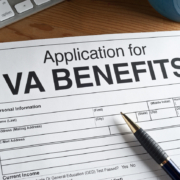
Your DD-214 serves as the foundation of every veteran housing assistance application. This discharge paperwork proves your military service and determines eligibility for specific programs. Make sure you have both your long-form DD-214 (Member Copy 4) and any amended versions if your discharge status changed after separation.
Income verification extends beyond simple pay stubs for unemployed veterans. You’ll need to document unemployment benefits, VA disability compensation, and any part-time or gig work earnings from the past three months. Many veterans forget to include their spouse’s income or household benefits like SNAP, which can help demonstrate financial need.
Most wounded veteran charity programs require additional medical documentation if you’re claiming disability-related housing needs. VA rating letters, medical records, and physician statements regarding housing modifications can significantly strengthen your application.
Banking statements from the last 90 days are mandatory for most programs. Case workers need to verify assets, monthly expenses, and spending patterns. Don’t worry about small account balances (that’s often why you need assistance), but be prepared to explain any large deposits or unusual transactions.
Priority Categories: Combat Veterans and Disabled Service Members
HUD-VASH vouchers prioritize combat veterans experiencing homelessness or at imminent risk. Your DD-214 must show deployment to a combat zone, and you’ll receive preference points that move you higher in the queue. The same priority system applies to most federal veteran housing assistance programs.
Veterans with service-connected disabilities rated 30% or higher automatically qualify for expedited processing in many programs. VA disability ratings of 50% or higher often unlock additional housing allowances and specialized accessible housing options.
Female veterans, veterans over 62, and those with dependent children receive enhanced priority status. Organizations like Crossroads Community Church often maintain separate waiting lists for these vulnerable populations to ensure faster placement.
Chronically homeless veterans (those experiencing homelessness for over a year or four episodes in three years) receive the highest priority for permanent supportive housing programs. This definition includes doubled-up situations where you’re staying temporarily with friends or family.
Appeals Process: Navigating Denied Applications and Administrative Reviews
Application denials aren’t the end of your housing assistance journey. Most programs offer formal appeal processes within 30-60 days of the denial notice. The key is understanding exactly why your application was rejected before crafting your response.
Common reasons for denial include incomplete documentation, income levels exceeding program limits, or failure to meet priority categories. Sometimes it’s as simple as missing signatures or outdated bank statements. Review your denial letter carefully and gather the specific items mentioned.
Administrative reviews allow you to present new evidence or correct errors in your original application. This isn’t about arguing with the decision, but about providing additional documentation that addresses the reasons for the denial. Medical facilities like Ridgecrest Regional Hospital can often provide updated medical records or letters from physicians to support disability-related appeals.
Consider working with a Veterans Service Organization (VSO) representative during the appeals process. These advocates understand program requirements and can help you present a stronger case. Many wounded veteran charity organizations also provide appeal assistance at no cost.
Timeline Expectations: From Application Submission to Housing Placement
Emergency housing assistance is typically processed within 48-72 hours for veterans facing immediate homelessness. These rapid response programs focus on temporary placement while longer-term solutions are arranged. Don’t expect luxury accommodations, but you’ll have a safe place to sleep and access to case management services.
Standard HUD-VASH voucher applications take 60-90 days for initial review, though waiting lists can extend placement timelines to 6-12 months in high-demand areas. Priority veterans may see faster processing, but housing availability ultimately determines placement speed.
Transitional housing programs often have 30-45 day application timelines, with immediate move-in once approved. These programs typically last 6-24 months and include job training and financial counseling to prepare veterans for independent housing.
Permanent supportive housing for disabled veterans averages 90-180 days from application to move-in. The extended timeline reflects the need for accessible housing units and for comprehensive coordination of support services. Programs that support injured veterans often supplement federal programs to reduce waiting periods.
Stay in regular contact with your case worker throughout the process. Monthly check-ins ensure your application remains active and allow you to update your situation. Remember that maintaining unemployment status or documenting job search efforts may be required to continue receiving assistance.
Long-Term Success: Transitioning from Emergency Housing to Sustainable Independence
Job Training and Employment Services: Connecting Housing Stability to Career Development
Housing stability means nothing without a path to permanent employment. The most successful veteran housing assistance programs understand this connection.
Operation Family Fund partners with workforce development agencies to provide immediate job training opportunities for veterans in temporary housing. These aren’t generic skills programs. They’re targeted training initiatives that address high-demand fields like cybersecurity, logistics, and healthcare support.
The timing matters. Veterans receive job training simultaneously with housing support, not after they’ve secured permanent housing. This parallel approach prevents the common cycle where veterans gain stability but lack the skills for sustainable employment.
Apprenticeship programs offer another powerful tool. Construction trades, electrical work, and plumbing provide immediate earning potential while veterans complete their housing transitions. Many programs guarantee job placement upon completion, giving veterans confidence about their long-term prospects.
Some programs also address the unique barriers that unemployed veterans often face. Transportation assistance, professional clothing, and interview preparation become part of the housing support package. You can’t separate employment success from housing stability.
Case Management Protocols: Ongoing Support for Program Participants
Effective case management makes the difference between temporary housing solutions and permanent independence. Veterans need advocates who understand both housing challenges and employment barriers.
The best case managers maintain contact for 12-18 months after initial placement. They don’t just check boxes on housing compliance. They monitor employment progress, financial management, and potential risk factors that could trigger another housing crisis.
Weekly check-ins during the first month transition to monthly contacts as veterans demonstrate stability. Case managers coordinate with employers, landlords, and family members to create comprehensive support networks. This isn’t micromanagement. It’s a strategic intervention that prevents small problems from becoming major setbacks.
Technology helps streamline this process. Digital case management systems track veterans’ progress across multiple metrics, from rent payment history to employment stability. Case managers can identify warning signs early and intervene before veterans lose housing again.
The most innovative programs train peer support specialists. Veterans who’ve successfully transitioned from housing instability to independence become mentors for current program participants. They understand the challenges in ways that traditional case managers cannot.
Educational Benefits Integration: Using the GI Bill for Housing Stability
Educational benefits provide another pathway from emergency housing to long-term stability. Many veterans don’t realize they can use GI Bill benefits while participating in housing assistance programs.
The Monthly Housing Allowance (MHA) from the Post-9/11 GI Bill can cover significant housing costs while veterans pursue education or training. Smart programs help veterans navigate this benefit to maximize both educational opportunities and housing stability.
Vocational Rehabilitation and Employment (VR&E) benefits offer additional housing support for veterans with service-connected disabilities. These benefits can cover housing costs during approved training programs, bridging temporary assistance and permanent independence.
Community colleges and trade schools often partner directly with housing programs. Veterans can begin educational programs while living in transitional housing, then use their educational benefits to maintain stable housing as they complete their studies.
The key is coordination. Housing counselors must understand educational benefits, and school counselors need to recognize housing challenges. When these systems work together, veterans get comprehensive support that addresses both immediate needs and long-term goals.
Measuring Program Effectiveness: Tracking Housing Retention and Employment Outcomes
Successful veteran homelessness prevention requires measurable outcomes. Programs that track only initial housing placement miss the bigger picture of long-term stability.
Housing retention rates at 6, 12, and 24 months provide the clearest measure of program success. Veterans who maintain stable housing for two years rarely return to homelessness. Programs achieving 80% retention at 24 months demonstrate genuine effectiveness.
Employment outcomes matter equally. Veterans should achieve sustainable employment within 12 months of program entry. This means jobs that pay living wages and offer benefits, not just any employment opportunity.
Financial independence metrics track veterans’ progress toward self-sufficiency. Reduced reliance on emergency assistance, improved credit scores, and increased savings demonstrate real progress beyond simple housing placement.
Family stability indicators provide additional measures of success. Children’s school attendance, family reunification rates, and spouse employment all reflect the program’s effectiveness in addressing the comprehensive needs of veteran families.
The most successful programs publish these outcomes annually. Transparency builds trust with funders and helps other programs replicate effective strategies. When unemployed veteran programs demonstrate clear results, they secure continued funding and expand their reach.
Housing assistance for unemployed veterans works best when it addresses root causes rather than just immediate needs. Programs that combine emergency housing with employment services, ongoing case management, and educational support create pathways to genuine independence. These comprehensive approaches prevent the cycle of recurring homelessness that traditional emergency services cannot break.
Veterans deserve more than temporary fixes. They need programs that recognize their potential and provide the tools for long-term success. Support organizations like Operation Family Fund continue working to ensure every veteran has access to the comprehensive assistance that makes permanent housing stability possible.
Related Posts
- Homes For Our Troops
- Adaptive Housing Tech 2025: Smart‑Home Upgrades Empowering Wounded Warriors
- Combating Veteran Homelessness: Community Solutions That Work
- Building Financial Stability: Grants, Aid, and Career Coaching for Veteran Families
- Mental Health First Aid: Recognizing Crisis Signs in Unemployed Veteran Families
- Employment Barriers Disabled Veterans Face: Identifying Hidden Obstacles in 2026