
Mental Health First Aid: Recognizing Crisis Signs in Unemployed Veteran Families
The transition from military service to civilian employment has always presented challenges, but when that transition stalls—when a veteran finds themselves unemployed—the psychological toll can become devastating. What starts as temporary financial uncertainty often spirals into a complex mental health crisis that affects not just the veteran, but their entire family.
For many veterans, unemployment isn’t just about finding a job. It’s about losing identity, purpose, and the structured environment that once defined their lives. When you combine this with existing service-related mental health conditions, the result can be catastrophic.
The ripple effects spread quickly through military families. Spouses become caregivers while managing their own stress. Children witness their hero parent struggling with feelings of failure. Financial pressures mount, creating a perfect storm of circumstances that can push veteran mental health into crisis territory.
The Hidden Burden: How Job Loss Amplifies PTSD and Depression
Veterans already face PTSD at rates significantly higher than civilians—approximately 11% to 20% compared to 3.5% in the general population. But unemployment creates a dangerous multiplier effect on these existing conditions.
When veterans lose their jobs or struggle to find employment, the symptoms of PTSD and depression don’t just persist—they intensify. The hypervigilance that once kept them alive in combat zones now manifests as constant worry about providing for their families. Sleep disorders worsen as financial stress compounds existing nightmares and intrusive thoughts.
Dr. Sarah Mitchell, a clinical psychologist specializing in veteran care, explains: “Unemployment strips away the routine and sense of purpose that many veterans rely on to manage their symptoms. Without that structure, we see a 40% increase in severe depressive episodes within the first six months of job loss.”
The isolation that comes with unemployment particularly affects veterans who already struggle with social connections. Many find themselves avoiding friends and family members, ashamed of their employment status and unwilling to burden others with their problems.
Financial Stress as a Mental Health Crisis Trigger in Military Families
Money problems don’t just create inconvenience for veteran families—they trigger genuine mental health emergencies. When a family that once lived comfortably on military pay suddenly faces unemployment benefits or irregular income, the psychological impact can be overwhelming.
Research from the Veterans Affairs Medical Center shows that financial stress increases suicide ideation among unemployed veterans by 67%. The shame of being unable to provide creates a toxic cycle: depression leads to decreased job search effectiveness, which leads to longer unemployment periods, which deepens the depression.
Spouses and caregivers bear an enormous burden during these periods. They often take on additional work while managing household responsibilities and supporting their veteran partner’s mental health needs. This dual pressure frequently leads to their own mental health challenges, creating a family-wide crisis.
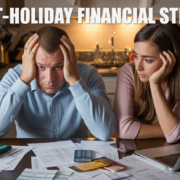
Many families exhaust their savings within the first three months of unemployment. When basic needs like housing, food, and medical care become uncertain, the stress can trigger panic attacks, severe anxiety, and in some cases, complete emotional breakdown.
Breaking the Silence: Why Veterans Avoid Seeking Help During Unemployment
Military culture teaches self-reliance and emotional toughness—values that become barriers when veterans need mental health support during unemployment. The stigma surrounding both mental health treatment and job loss creates a double burden that keeps many veterans suffering in silence.
Pride plays a significant role. Veterans who once led troops or managed complex military operations feel intense shame about being unemployed. Admitting they need help feels like admitting failure, contradicting everything their military training taught them about resilience and self-sufficiency.
Geographic barriers compound the problem. Many veterans live in rural areas where mental health resources are limited. Even when services are available, transportation costs and scheduling conflicts during job searches create additional obstacles.
Insurance concerns also prevent many from seeking help. Veterans between jobs often lose employer-provided insurance, and while VA benefits exist, navigating the system during a mental health crisis can feel impossible. This creates dangerous delays in getting critical support when it’s needed most.
Statistics That Matter: Unemployment Rates and Suicide Risk in Veteran Communities
The numbers paint a stark picture of the crisis facing unemployed veteran families. Veteran unemployment consistently runs higher than civilian rates, but the mental health implications are even more alarming.
Current data shows that unemployed veterans are three times more likely to attempt suicide than their employed counterparts. Among this population, 22% report severe depression, compared to 8% of employed veterans. The correlation between financial instability and mental health deterioration is undeniable.
Family impact statistics are equally concerning. Children in families where a veteran parent is unemployed show increased rates of behavioral problems and academic difficulties. Divorce rates among veteran couples increase by 45% when unemployment extends beyond six months.
Organizations like Operation Family Fund, a wounded veteran charity, work to address these interconnected challenges by providing both financial assistance and pathways to mental health resources. Their approach recognizes that addressing the unemployment crisis requires understanding the complex relationship between financial stress and veteran mental health.
The path forward requires recognizing that unemployment among veterans isn’t just an economic issue—it’s a mental health emergency that demands immediate, comprehensive intervention. Understanding these connections is the first step in supporting veterans’ transition during their most vulnerable moments.
Early Warning Signs of Mental Health Crisis in Unemployed Veteran Families
Behavioral Changes: Isolation, Anger, and Withdrawal Patterns
When unemployment hits veteran families, behavioral shifts often emerge as the first red flags. Veterans who once actively engaged in community events or family gatherings may suddenly decline invitations or offer excuses to avoid social situations.
Anger frequently manifests in ways that catch families off guard. A veteran might explode over minor inconveniences (like a delayed dinner or a child’s loud play) or become irritated by everyday conversations. This isn’t just stress—it’s often a protective mechanism when feelings of inadequacy and failure become overwhelming.
Withdrawal patterns look different for every veteran. Some retreat to their rooms for hours, avoiding eye contact and conversation. Others might throw themselves into solitary activities like excessive gaming or TV watching. The key indicator? Activities that once brought joy now serve as escape routes from reality.
Family members often report feeling like they’re “walking on eggshells” around their unemployed veteran. When someone who once led teams in high-stress situations suddenly can’t handle a phone ringing, that’s a clear signal that professional support may be needed.
Physical Symptoms That Signal Emotional Distress in Veterans
Unemployment stress in veterans often shows up in the body before it surfaces mentally. Chronic headaches become a daily complaint, especially tension headaches that worsen throughout the day as job search frustrations mount.
Digestive issues often arise during extended periods of unemployment. Veterans report stomach problems, changes in appetite, and either significant weight loss or weight gain within a few months of job loss. The gut-brain connection means emotional distress directly impacts physical well-being.
Muscle tension and back pain increase dramatically when veterans face prolonged unemployment. The physical stress of financial uncertainty, combined with hours spent hunched over computers during job searches, creates a perfect storm for chronic pain issues.
Fatigue becomes pervasive, but it’s not the healthy tiredness that comes from productive work. Instead, veterans describe feeling “tired to the bone” even after sleeping. This exhaustion often stems from the mental energy required to maintain hope while facing repeated job rejections.
Cardiovascular symptoms such as a rapid heartbeat, chest tightness, or changes in blood pressure shouldn’t be ignored. While these could indicate panic attacks, they also signal that the body is operating in constant fight-or-flight mode.
Family Dynamics: How Children and Spouses Reflect Crisis Signs
Children act as emotional barometers in veteran families facing unemployment stress. Kids might start having nightmares, regressing in potty training, or suddenly clinging to the non-veteran parent. School performance often drops as children absorb family tension.
Spouses frequently develop their own stress symptoms that mirror their veteran partner’s struggles. They might become overly protective of family finances, constantly checking their bank accounts, or taking on excessive hours at work to compensate for lost income. This creates additional household stress that compounds the original problem.
Family arguments increase in frequency and intensity during periods of unemployment. Disagreements about money, job search strategies, or household responsibilities can escalate quickly when everyone’s stress levels are elevated. These conflicts often happen over trivial matters because the real issues feel too overwhelming to address directly.
Communication patterns shift dramatically. Families report feeling like they’re “living with a stranger” as the unemployed veteran becomes increasingly disconnected from daily family life. Mealtimes become silent, family activities decrease, and conversations focus solely on practical matters rather than on emotional connection.
Substance Use Escalation During Job Search Periods
Alcohol consumption often increases gradually during unemployment, making it harder to recognize as problematic. What starts as “one beer to unwind” after a day of job searching can evolve into multiple drinks by afternoon. Veterans might rationalize this behavior because they don’t drive to work daily.
Prescription medication misuse becomes common when veterans have legitimate prescriptions for service-connected conditions. The emotional pain of unemployment can lead to taking extra doses “just to get through the day” or combining medications in dangerous ways.
Energy drinks and caffeine pills might seem harmless, but excessive use often indicates attempts to maintain artificial alertness during depression-induced fatigue. Veterans describe needing multiple energy drinks just to feel “normal” enough to search for jobs.
Nicotine use typically spikes during unemployment stress. Veterans who successfully quit smoking during military service might start again, or current smokers might double their daily consumption. The hand-to-mouth ritual provides momentary stress relief while creating additional health and financial burdens.
Warning signs include hiding consumption from family members, drinking or using substances earlier in the day, or needing substances to handle basic tasks like making phone calls to potential employers.
Sleep Disruption and Hypervigilance in Unemployed Veterans
Sleep patterns become chaotic during extended periods of unemployment. Veterans often stay awake until 3 or 4 AM, either worrying about finances or avoiding the anxiety that comes with lying in bed with racing thoughts. Then they sleep until late morning, creating a cycle that makes job searching even more difficult.
Hypervigilance symptoms from military service frequently resurface during unemployment stress. Veterans report being constantly “on alert” for sounds in the house, checking locks multiple times, or positioning themselves to see all exits when in public spaces. This exhausting state of constant readiness makes restful sleep nearly impossible.
Nightmares return with increased frequency and intensity during unemployment periods. Dreams often combine military experiences with current financial fears, creating disturbing scenarios about failing to protect family members or losing homes.
Many veterans develop what researchers call “unemployment insomnia”—lying awake, calculating bills, replaying job interviews, or planning next-day job-search activities. The bed becomes associated with worry rather than rest, making sleep increasingly elusive.
As organizations that donate to injured veterans know well, these sleep disruptions compound other mental health challenges. When veterans can’t rest properly, their ability to cope with job search stress diminishes significantly. Recognizing these patterns early allows families and support systems to intervene before crisis points are reached.
Professional resources like those highlighted in suicide prevention programs can provide crucial support during these vulnerable periods. The sooner families recognize these warning signs, the more effectively they can connect with appropriate help.
Mental Health First Aid Techniques for Veteran Crisis Intervention
The ALGEE Approach: Assess, Listen, Give Reassurance, Encourage Action, Encourage Self-Help
The ALGEE framework serves as your mental health first-aid toolkit when supporting veteran families facing unemployment-related stress. This evidence-based approach breaks down crisis intervention into manageable steps that anyone can learn.
Assess means looking for the signs we covered earlier and checking for immediate safety risks. Are they expressing thoughts of self-harm? Do they have access to weapons? Have they been drinking heavily? Ask directly: “Are you thinking about hurting yourself?” Clear questions get clear answers.
Listen without judgment or trying to fix everything immediately. Veterans often need to process their experiences before they can accept help. Put away your phone. Make eye contact. Let them finish their thoughts completely (even when the silence feels uncomfortable).
When you Give Reassurance, focus on their strengths as a veteran and family member. “You’ve handled impossible situations before” carries more weight than generic encouragement. Remind them that seeking help shows leadership, not weakness.
Encourage Action by connecting them with specific resources. Instead of saying “you should get help,” offer to help them research financial stability programs or sit with them during their first appointment.
Finally, Encourage Self-Help by identifying what’s already working in their lives. Maybe they’re maintaining their physical fitness routine or staying connected with their battle buddy. Build on these existing strengths.
De-escalation Strategies for Combat Veterans in Crisis
Combat veterans may respond differently to stress than civilians. Their training kicked in during life-or-death situations, and those same responses can surface during financial or emotional crises.
Speak calmly and maintain a respectful distance. Veterans in crisis might feel trapped or cornered, especially in small spaces. Position yourself so they can clearly see the exits. This isn’t about fear – it’s about respecting their need for tactical awareness.
Use their military experience as an anchor point. “You’ve been through worse than this and made it out,” their service acknowledges, offering perspective. Many veterans respond well to structured, mission-focused language rather than emotional appeals.
Avoid sudden movements or raised voices. If a veteran seems hypervigilant or startled, slow down your approach. Combat veterans may be dealing with hypervigilance that makes normal conversations feel overwhelming.
Validate their service without minimizing current struggles. “Your military training prepared you for a lot, but civilian job searches are a different kind of battle” shows understanding while opening space for vulnerability.
Creating Safe Spaces for Vulnerable Veteran Family Conversations
Physical environment matters more than you might think. Choose quiet spaces away from crowds, loud noises, or potential interruptions. Many veterans associate crowded, noisy environments with threat assessment mode.
Start conversations during shared activities – walking, working on projects, or driving. Side-by-side conversations often feel less intense than face-to-face confrontation. Veterans may open up more naturally when their hands are busy.
Set clear boundaries about confidentiality upfront. “What we talk about stays between us unless you’re planning to hurt yourself or someone else.” This creates trust while maintaining necessary safety limits.
Be prepared for the conversation to happen in pieces. Veterans dealing with unemployment stress might need multiple shorter discussions rather than one long heart-to-heart. Don’t pressure them to share everything at once.
Include the whole family when appropriate. Spouses and children are often carrying their own stress about unemployment. Family meetings can prevent secrets and ensure everyone understands available support options.
When to Call for Professional Help: Emergency vs. Supportive Care
Knowing when to escalate from peer support to professional intervention can save lives. Some situations require immediate emergency response, while others need ongoing professional support.
Call 911 immediately if a veteran expresses specific plans for suicide, mentions access to weapons with intent to harm themselves or others, or shows signs of severe psychiatric episodes like hearing voices or complete disconnection from reality.
The Veterans Crisis Line (988, Press 1) provides 24/7 support specifically trained for military culture. This should be your first call for urgent mental health situations that aren’t immediate life threats.
Professional referrals make sense when you notice consistent patterns: sleep problems lasting weeks, alcohol use increasing significantly, or complete withdrawal from family and friends. These situations need clinical support, not just peer counseling.
Don’t wait for permission to reach out to professional resources. As a wounded veteran charity, we understand the urgency of connecting veterans with appropriate levels of care quickly.
Remember that getting professional help often reduces crisis situations rather than creating them. Veterans who engage with mental health professionals typically report feeling more in control, not less. Your role is to support them through that connection, not to replace professional care.
Document concerning behaviors and statements to help professionals assess the situation accurately. “He mentioned feeling worthless twice this week and hasn’t been sleeping” provides useful clinical information.
Supporting the Entire Military Family Unit During Crisis
Recognizing Secondary Trauma in Military Spouses and Children
Military families don’t experience unemployment and mental health struggles in isolation. When a veteran faces a crisis, the ripple effects hit every family member – often in ways that go unnoticed until the damage runs deep.
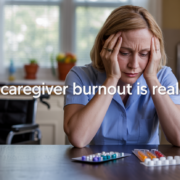
Spouses frequently develop what mental health professionals call “caregiver burnout.” They’re juggling financial stress, emotional support duties, and often their own employment while watching their partner struggle. Warning signs include chronic exhaustion, increased irritability, social withdrawal, and neglecting their own health needs.
Children absorb stress like sponges, even when parents think they’re protecting them. Young kids might regress to earlier behaviors (bedwetting, thumb sucking), while teenagers often act out or become overly responsible. Sleep disturbances, declining grades, and changes in appetite signal that children need support, too.
The invisible wounds run particularly deep in military families. Children may worry about deployment memories or fear their veteran parent’s emotional outbursts. Spouses might develop hypervigilance, constantly monitoring their partner’s mood and walking on eggshells.
Secondary trauma isn’t weakness – it’s a natural response to chronic stress. Recognizing these patterns early prevents long-term family dysfunction and creates opportunities for intervention.
Age-Appropriate Ways to Discuss Mental Health with Military Children
Military children deserve honest, age-appropriate conversations about what’s happening in their family. Silence breeds fear and confusion, while open dialogue builds resilience.
For children under seven, keep explanations simple: “Daddy’s brain got hurt while he was helping people, and sometimes that makes him sad or angry. It’s not your fault, and we’re getting help.” Use concrete comparisons they understand – like comparing invisible injuries to visible ones.
School-age children (8-12) can handle more detail. Explain that some people’s brains work differently after difficult experiences, just like some people need glasses to see clearly. Emphasize that mental health struggles are medical conditions, not character flaws.
Teenagers need straight talk. They’re likely picking up on financial stress, relationship tension, and employment struggles anyway. Acknowledge the challenges while highlighting family strengths and coping strategies. Let them ask questions without judgment.
All conversations should reinforce three key messages: the situation isn’t their fault, the family is working on solutions, and their feelings matter. Create regular check-ins where children can express concerns without feeling they are burdening already stressed parents.
Remember that military children often carry extra responsibility and maturity. Honor that while ensuring they still get to be kids.
Building Support Networks Within Veteran Communities
Isolation kills hope, but veteran communities offer a unique understanding that civilian support systems simply can’t provide. The challenge lies in connecting unemployed veteran families to these networks when pride, shame, or geographic barriers stand in the way.
Start local. VFW posts, American Legion chapters, and veteran service organizations exist in most communities. These aren’t just social clubs – they’re lifelines staffed by people who understand military culture and employment challenges.
Online communities bridge geographic gaps. Facebook groups, veteran forums, and virtual support meetings provide 24/7 connection points. Many unemployed veterans find comfort in sharing experiences with others facing similar struggles.
Family support groups specifically address the needs of spouses and children. Military Child Education Coalition, Operation Homefront, and Blue Star Families offer programs designed for the entire family unit, not just the veteran.
Faith-based veteran ministries combine spiritual support with practical assistance. Many churches and religious organizations have dedicated veteran outreach programs that provide both emotional and material support.
Professional networking doesn’t stop during a crisis. Veteran hiring events, industry meetups, and professional associations maintain career connections while providing peer support. These relationships often prove crucial during job searches.
The key is starting small. One meaningful connection often leads to an entire support network.
Connecting Families to Military Family Life Counselors and Resources
Military families have access to specialized resources that understand their unique stressors and cultural dynamics. The challenge is knowing what’s available and how to access help without impacting security clearances or military records.
Military Family Life Counselors (MFLCs) provide confidential, non-medical counseling services. They’re embedded in military communities specifically to help families navigate stress, relationships, and transitions. Sessions don’t appear in medical records, making them ideal for families concerned about career implications.
Veterans Affairs offers comprehensive mental health services, but many families don’t realize spouses and children qualify for certain programs. The VA’s Vet Centers provide readjustment counseling for the entire family, including employment-related stress counseling.
Chaplains serve all faiths (or no faith) and maintain strict confidentiality. They’re trained in crisis intervention and can provide immediate support while connecting families to longer-term resources.
Military relief societies offer financial assistance during crises. Army Emergency Relief, Navy-Marine Corps Relief Society, Air Force Aid Society, and Coast Guard Mutual Assistance provide no-interest loans and grants for emergency expenses.
Organizations like Operation Family Fund specialize in supporting wounded veteran families through comprehensive assistance programs. Their approach addresses both immediate needs and long-term stability for families facing employment challenges.
Crisis hotlines provide immediate intervention. The Veterans Crisis Line (988, Press 1) offers 24/7 support for veterans and their families. Military Family Crisis Line and other specialized services understand military culture and family dynamics.
The military community takes care of its own, but families must be willing to reach out. Help is available – it just requires taking that first difficult step of asking for support.
Emergency Resources and Professional Support Systems
24/7 Crisis Hotlines Specifically for Veterans and Military Families
When a crisis hits, seconds matter. The Veterans Crisis Line (988, Press 1) operates around the clock with specialized counselors who understand military culture and the unique challenges facing unemployed veteran families.
This isn’t your typical crisis hotline. These counselors receive specific training on military mental health issues, unemployment stress, and family dynamics. They know that asking for help goes against everything you were trained to do in service.
The Military Family Life Counselors (MFLC) program provides another layer of support through confidential, non-medical counseling services. Unlike VA services, MFLC doesn’t require enrollment or create medical records that might affect security clearances or future employment prospects.
For families dealing with substance abuse alongside unemployment stress, the SAMHSA National Helpline (1-800-662-4357) offers 24/7 treatment referrals and information services. They maintain a database of local treatment facilities and support groups specifically experienced with veteran populations.
Military OneSource extends beyond active duty, offering 12 sessions of free counseling per issue for recently separated veterans and their families. Their counselors understand the financial pressures that come with job loss and can provide practical coping strategies while you navigate unemployment.
VA Mental Health Services: Navigation and Access During Unemployment
The VA system can feel overwhelming when you’re already struggling with unemployment stress. But veteran mental health services remain available even if you’re not receiving disability compensation.
Combat veterans from Iraq and Afghanistan operations receive five years of free VA healthcare after separation, regardless of disability rating. This includes mental health services, substance abuse treatment, and family counseling options.
VA’s Vet Centers operate separately from traditional VA medical centers and focus specifically on readjustment counseling. They don’t require enrollment in VA healthcare and serve veterans from all eras, along with their families. Currently, 300 Vet Centers nationwide provide confidential counseling without the bureaucracy typical of larger VA facilities.
For unemployed veteran families facing an immediate crisis, VA’s Emergency Department operates 24/7 at every VA medical center. While primarily for medical emergencies, they’re equipped to handle mental health crises and can connect families to appropriate resources immediately.
The VA also partners with community providers through the Community Care Network, expanding access when VA facilities are geographically distant or wait times are problematic. This program has reduced average wait times for mental health appointments to under 30 days in most regions.
Community-Based Organizations Providing Immediate Crisis Support
Local organizations often move faster than federal programs when families need immediate help. Team Red, White & Blue chapters exist in over 200 communities, offering both social connection and crisis support.
The American Legion and VFW posts aren’t just about camaraderie (though that matters). Many maintain emergency assistance funds for families facing immediate crises. Post commanders often have direct connections to local mental health providers who understand military culture.
Veterans Community Living Centers operate in many major metropolitan areas, providing transitional housing combined with mental health services. These programs specifically target unemployed veterans and their families, addressing housing insecurity that often exacerbates mental health crises.
Faith-based organizations such as the Military Child Education Coalition and Blue Star Families offer family-centered support programs. They understand that unemployment affects entire family systems, not just the veteran, and provide counseling services that include spouses and children.
Organizations focused on wounded veteran charity work often maintain crisis response capabilities. Financial assistance changes the trajectory by removing immediate stressors that contribute to mental health deterioration.
Legal and Financial Resources That Reduce Mental Health Stressors
Financial stress drives many mental health crises in unemployed veteran families. Legal aid organizations like Armed Forces Legal Assistance provide free consultation on employment law, housing issues, and benefits appeals.
The Military Family Tax Relief Act provides specific protections for military families facing foreclosure or eviction due to unemployment. Many families don’t realize these legal protections exist until a crisis hits.
State Veterans Affairs offices maintain emergency assistance programs separate from federal VA benefits. These programs typically move faster than federal processes and can provide immediate relief for utilities, housing, and basic needs while longer-term solutions develop.
Credit counseling services through organizations like Military Saves offer debt management strategies specifically designed for military families. They understand the unique financial challenges of transitioning from military to civilian employment and can negotiate with creditors during periods of unemployment.
Employment attorneys specializing in veterans’ rights can address discrimination issues that may be contributing to extended unemployment. The USERRA (Uniformed Services Employment and Reemployment Rights Act) provides legal protections that many veterans don’t fully understand.
Emergency financial assistance from organizations that provide direct support can immediately reduce crisis-level stress. When families can focus on recovery rather than survival, mental health outcomes improve dramatically. Consider exploring donation options that support these critical intervention points.
Building Long-Term Resilience in Unemployed Veteran Families
Employment Support Programs That Address Mental Health Simultaneously
The most effective veteran employment programs recognize that job placement and mental health support aren’t separate issues. They’re interconnected challenges that require integrated solutions.
Programs like the Department of Veterans Affairs Vocational Rehabilitation and Employment (VR&E) now include mental health screenings as part of their intake process. But families shouldn’t wait for formal programs to address both needs simultaneously.
Career counselors who understand military culture can help veterans reframe their job search to protect their mental health. Instead of viewing each rejection as a failure, they learn to see it as intelligence gathering about the job market.
Skills-based training programs work particularly well because they provide immediate purpose while building toward employment. Veterans report feeling more confident when they can measure progress in concrete skills rather than just counting applications sent.
Family members can support this approach by celebrating small wins. Did your veteran complete an online certification module? That’s progress worth acknowledging, even if the job offers haven’t arrived yet.
Teaching Self-Care and Coping Strategies for Extended Job Searches
Job searches often last longer than anyone expects, especially for veterans transitioning to civilian careers. Families need sustainable coping strategies that work for months, not just weeks.
Physical fitness routines provide structure and stress relief, but they don’t have to mirror military PT. A daily walk, yoga practice, or even gardening can provide the same mental health benefits without triggering difficult memories.
Sleep hygiene becomes critical during periods of unemployment. Many veterans already struggle with sleep issues, and job search anxiety makes it worse. Simple changes like consistent bedtimes and screen-free evenings can make a significant difference.
Mindfulness practices help manage the constant worry about finances and future security. Apps like Headspace offer veteran-specific content, but even five minutes of deep breathing can interrupt anxiety spirals.
Nutrition often suffers during stressful periods, especially when budgets are tight. Meal planning and batch cooking provide both cost savings and the psychological benefit of taking care of basic needs.
Creating Routine and Purpose During Periods of Unemployment
Military service provides a clear structure and mission. Unemployment can feel like free-falling without that framework, making it essential for families to create their own.
Successful routines balance job search activities with meaningful personal projects. Maybe that’s volunteering with other veterans, learning a new skill, or tackling postponed home improvement projects.
Structure doesn’t mean rigid schedules. It means predictable elements that provide anchors throughout the week. Monday morning coffee with a fellow veteran. Wednesday afternoon volunteer shift. Friday family game night.
Purpose can come from unexpected places during unemployment. Many veterans discover they’re natural mentors for younger job seekers. Others find meaning in community service that eventually leads to employment opportunities.
Family involvement in creating routine helps everyone feel more stable. When children know what to expect from their veteran parents’ schedule, it reduces household anxiety for everyone.
Honoring Service While Transitioning to Civilian Career Success
Veterans don’t have to choose between honoring their military service and building civilian careers. The strongest transitions happen when families find ways to carry forward service values while adapting to new environments.
Leadership skills translate across industries, but veterans sometimes need help articulating them in civilian language. What the military calls “mission accomplishment” becomes “project management” in corporate settings.
Service orientation can guide career choices without limiting them. Veterans often thrive in roles where they can help others, whether in healthcare, education, emergency services, or customer support.
Networking within veteran communities provides both emotional support and practical opportunities. Fellow veterans understand the transition challenges and often become the strongest professional references.
Family pride in military service should continue throughout the job search. Children benefit from understanding their parents’ service history, and spouses can help veterans see their military experience as an asset rather than a barrier to civilian employment.
The transition from military service to civilian employment tests every family’s resilience. But with proper mental health awareness, integrated support systems, and sustainable coping strategies, unemployed veteran families can navigate this challenge successfully.
Remember that seeking help isn’t a weakness. It’s strategic planning for long-term success. Whether you need crisis intervention, ongoing support, or resources to donate to injured veterans facing similar challenges, taking action today builds stronger families and communities tomorrow.
Your service created discipline and resilience that will serve you well in civilian careers. Trust the process, support each other, and keep moving forward.
Related Posts
- Telehealth Expansion: 2025 Rural Veterans Gain Faster Access to Mental Health Care
- How Service Dogs Are Transforming Veteran Mental Health
- Suicide Prevention Month: Breaking Stigma and Sharing Support Resources
- Building Financial Stability: Grants, Aid, and Career Coaching for Veteran Families
- Bridging the Gap: How Financial Assistance Changes the Trajectory for Military Families in Crisis
- Veteran Caregiver Burnout Is Real: Recognizing the Signs and Finding Support