Financial Stress Points Veteran Families Experience After the Holidays
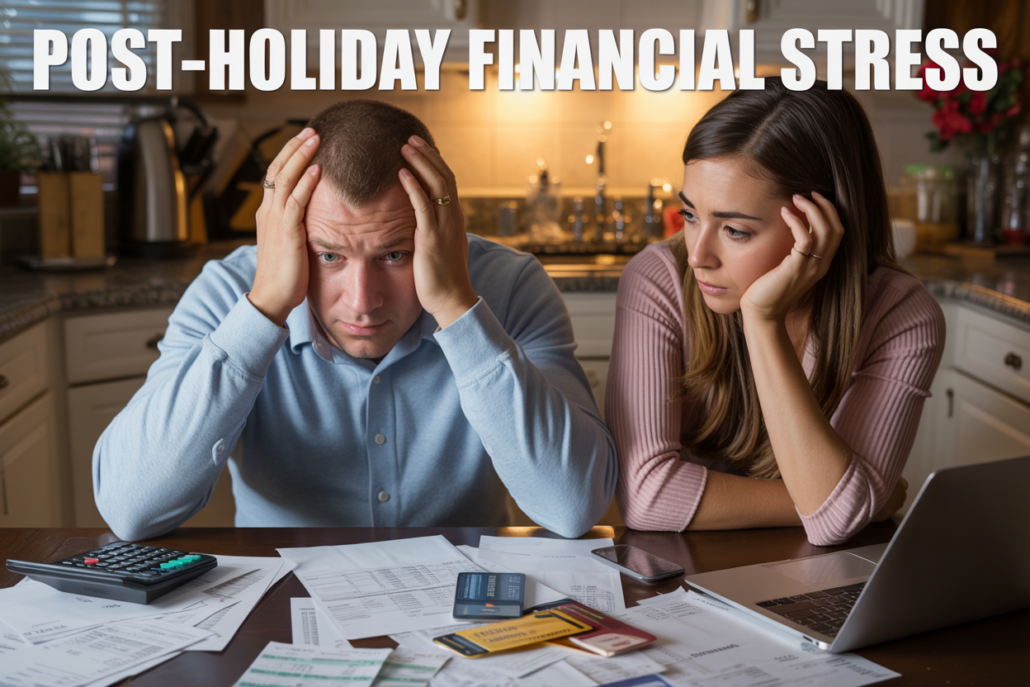
The holidays bring joy to veteran families, but January’s bills often create significant financial stress for military households that can last for months. Many veteran families discover their post-holiday debt extends far beyond what they expected, creating a cycle of financial problems for military families that affects everything from daily expenses to long-term goals.
This guide is written for veteran families, active military personnel, and their loved ones who are struggling with financial challenges after the holidays and need practical solutions to get back on track. Military families face unique financial pressures that civilian households do not, making veteran household budgeting especially complex during the post-holiday period.
We’ll explore how common holiday spending patterns specifically affect military families, uncovering the hidden costs that worsen financial stress for veteran families. You’ll also learn to recognize early warning signs of economic trouble and discover immediate steps to start your post-holiday financial recovery. Our focus includes actionable military financial planning after the holidays, strategies, and information about military family debt relief options available right now.
The financial strain doesn’t have to define your new year. With the right approach, veteran families can overcome these challenges and build stronger financial foundations for the months ahead.
Common Holiday Overspending Patterns That Impact Veteran Households
Credit Card Debt Accumulation from Gift Purchases and Travel Expenses
Veteran families often face unique pressures during the holiday season that can quickly spiral into overwhelming debt. The desire to provide meaningful gifts for children, spouses, and extended family members frequently leads to impulsive credit card spending that exceeds planned budgets. Military families, who may have experienced deployments or relocations that limited previous holiday celebrations, sometimes feel compelled to make up for lost time by spending more generously than their finances allow.
Travel expenses represent another significant burden for veteran households. Many military families live far from extended family due to frequent relocations during service. The cost of flights, hotel accommodations, rental cars, and meals during holiday visits can easily exceed $1,000. When emergency leave wasn’t possible during active duty, the pressure to reunite during the holidays intensified, leading families to book expensive last-minute travel arrangements.
Credit card companies often increase available credit limits during the holiday season, creating a false sense of financial security. Veteran families struggling with post-holiday debt may find themselves carrying balances across multiple cards, each with different interest rates and payment schedules. The combination of gift purchases, travel costs, and increased dining expenses during celebrations creates a perfect storm of financial stress for veterans that extends well beyond December.
Depleted Emergency Funds Used for Holiday Celebrations
Emergency funds that took months or years to build can disappear quickly during the holiday season. Veteran families often draw on these reserves to cover unexpected expenses, such as last-minute gift purchases, hosting family gatherings, or travel costs when credit limits are reached. The psychological pressure to create memorable holidays for children who may have experienced family separations during military service can override sound financial judgment.
Military families often face financial problems when emergency funds are treated as holiday spending accounts rather than true emergency reserves. Veterans who understand the importance of financial preparedness from their military training may justify these withdrawals as temporary measures, planning to replenish the funds after the holidays. However, January and February often bring their own financial challenges that make rebuilding emergency savings extremely difficult.
The depletion of emergency funds leaves veteran households vulnerable to unexpected expenses like medical bills, car repairs, or job loss. Without this financial cushion, families may be forced to rely on high-interest credit cards or payday loans in genuine emergencies. This creates a cycle in which military family debt relief is necessary just to cover basic living expenses.
Increased Utility Bills and Entertainment Costs During Winter Months
Winter heating costs can shock veteran families who relocated to colder climates after military service. Homes that seemed affordable during mild weather months suddenly become expensive to maintain when temperatures drop. The combination of higher utility bills and holiday entertaining creates additional strain on already stretched budgets.
Entertainment expenses during the holiday season extend far beyond gift-giving. Veteran families may host multiple gatherings, attend numerous events, and participate in community celebrations, all of which require additional food, decorations, and supplies. These costs often go untracked in the excitement of the season, contributing to veteran household budgeting challenges that become apparent only when January bills arrive.
Energy costs for cooking large holiday meals, running additional lighting and decorations, and keeping homes warm for guests can increase monthly utility bills by 30-50%. Veteran families in older homes may face even higher costs due to poor insulation or inefficient heating systems. The financial stress from these increased expenses compounds when combined with credit card bills from holiday spending, creating financial challenges after the holiday recovery period.
Unique Financial Challenges Veterans Face in January and February
Delayed Disability Payments and Benefit Processing Issues
January and February create a perfect storm of financial stress for veterans when government benefit systems experience seasonal delays. The Department of Veterans Affairs often processes disability compensation and pension payments more slowly during these months due to holiday backlogs and staffing adjustments. Veterans who rely on these payments for essential expenses such as mortgages, utilities, and groceries find themselves caught in a waiting game that can last for weeks.
The timing couldn’t be worse. Credit card bills from holiday spending arrive just as regular income streams face disruption. Many veterans find that their anticipated disability rating decisions or compensation adjustments are delayed, leaving them without the expected financial relief. Post-holiday financial recovery becomes nearly impossible when the very benefits designed to support military families are delayed by bureaucracy.
Processing times for new claims or appeals can extend by 30-60 days during this period, forcing veteran households to rely on credit or exhaust emergency savings. The psychological impact compounds the financial strain, as families already dealing with post-holiday debt, veterans commonly experience finding themselves questioning when their next payment will arrive.
Seasonal Employment Gaps Affecting Transitioning Service Members
Veterans transitioning to civilian careers face unique employment challenges during the winter months that civilian job seekers rarely encounter. Many industries reduce hiring significantly in January and February, creating extended unemployment periods for service members who separated from the military during the holiday season or earlier in the fiscal year.
Construction, landscaping, tourism, and seasonal retail positions – common entry points for veterans building civilian experience – virtually disappear during these months. Veterans with specialized military skills often struggle to translate their experience into civilian terms, making the already challenging job search even more difficult when hiring managers are scarce.
The financial pressure intensifies for military families when unemployment benefits may not fully cover post-holiday expenses. Veterans who used holiday bonuses or separation pay to cover December expenses find themselves in precarious positions when January arrives without steady employment. This employment gap frequently forces veteran families to choose between maintaining their standard of living and preserving their financial stability.
Higher Healthcare Costs Due to Holiday Stress-Related Conditions
The holiday season takes a significant toll on veteran mental and physical health, leading to increased medical expenses right when finances are already strained. Many veterans experience heightened PTSD symptoms, anxiety, and depression during the holidays, requiring additional therapy sessions, medication adjustments, or emergency mental health interventions in January and February.
Sleep disorders, substance abuse relapses, and stress-related physical ailments spike during this period, creating unexpected medical bills that weren’t part of the family budget. Even veterans with comprehensive VA healthcare benefits may face costs for specialized treatments, prescription medications not covered by the VA, or emergency services at non-VA facilities.
The financial impact extends beyond direct medical costs. Veterans dealing with worsening mental health conditions may miss work days, reducing their income precisely when they need it most to recover from holiday spending. Families often spend additional money on alternative treatments, support groups, or childcare while the veteran receives treatment.
Reduced Access to Financial Counseling Services During Holiday Closures
Military family financial problems become more acute in January and February when many financial assistance programs operate with reduced staff or limited hours. VA financial counseling services, nonprofit credit counseling agencies, and military family life counselors often experience high demand while operating with skeleton crews following holiday schedules.
Veterans seeking help with military family debt relief find longer wait times for appointments and reduced availability of emergency financial assistance programs. Many organizations that provide veteran financial assistance in January have typically depleted their annual budgets while helping families through the December holiday season.
The timing creates a cruel irony – just when veteran families most need guidance on post-holiday financial recovery, the resources designed to help them are least available. Online resources and self-help tools become critical during this period, but many veterans prefer face-to-face counseling and find digital alternatives less effective for addressing complex financial situations involving multiple debts, benefit coordination, and long-term planning.
Hidden Costs That Compound Post-Holiday Financial Strain
Property Tax Bills and Insurance Premium Renewals in Early Years
January and February hit veteran families with a perfect storm of annual bills that can devastate already stretched budgets. Property tax assessments arrive precisely when credit card statements from holiday spending are piling up, creating a financial squeeze that catches many military families off guard. These tax bills often reflect higher property values from the previous year, meaning veterans may face hundreds or thousands more in taxes than they budgeted.
Insurance premiums add another layer of financial stress for veterans during these months. Auto insurance, homeowner’s policies, and health insurance plans frequently renew in January, often with rate increases that weren’t anticipated during holiday budget planning. Veterans using VA loans may find their escrow accounts short, resulting in supplemental payments ranging from $200 to $2,000, depending on property value and local tax rates.
The timing creates particular hardship for military families who already struggle with post-holiday debt, which veterans commonly experience. While civilian families might spread these costs throughout the year, the concentration of renewals in early months means veteran households face multiple large bills simultaneously, often totaling several thousand dollars in unavoidable expenses.
School-Related Expenses as Children Return from Winter Break
Military children face unique educational transitions that lead to unexpected costs immediately after the holidays. Families who moved during winter break – common in military life – discover new school districts have different supply requirements, uniform policies, or technology needs that weren’t budgeted for during the holiday season.
Registration fees, activity costs, and sports participation expenses typically come due in January and February. Military family financial problems often escalate when parents realize they need to purchase new textbooks, pay for field trips planned during the break, or cover increased lunch program costs due to program changes.
Technology requirements hit particularly hard, as schools increasingly require specific devices or software subscriptions that can cost $300-800 per child. Veterans’ children who attend multiple schools due to frequent relocations may need different technology platforms, increasing costs for each child.
After-school care expenses surge when military spouses return to work following holiday leave. Many programs require advance payment for entire semesters, creating immediate cash flow challenges for families already managing holiday debt.
Vehicle Maintenance Costs from Holiday Travel Wear and Tear
Holiday travel takes a serious toll on family vehicles, and the maintenance bills start rolling in during January and February. Military families often travel longer distances during the holidays to visit family across the country, adding thousands of additional miles to vehicles in just a few weeks.
Oil changes, tire rotations, and brake inspections become urgent after extensive highway driving. Many veterans discover worn brake pads, alignment issues, or transmission problems that developed during holiday road trips. These repairs can’t wait, especially when the vehicle is needed for daily commutes to base or to a spouse’s employer.
Winter weather compounds the problem for military families stationed in harsh climates. Salt damage, battery failures, and heating system repairs can add unexpected costs ranging from $500 to $2,000. Veterans living on base may find limited access to affordable mechanics, forcing them to use more expensive off-base services.
The financial impact hits hardest because these maintenance needs aren’t optional – they’re safety requirements that affect the family’s ability to maintain employment and meet military obligations. This creates a cycle in which veteran households struggle to budget as they must choose between necessary vehicle repairs and other essential expenses, such as groceries and utilities.
Warning Signs of Escalating Financial Stress in Military Families
Avoiding bill payments or making minimum payments only
When veteran families start paying only the minimums on credit cards or deliberately avoid certain bills altogether, it’s a clear red flag that post-holiday debt is making it difficult to manage cash flow. This behavior often begins innocently—skipping a utility payment to cover groceries or paying the minimum on a credit card to free up money for rent. However, this pattern quickly spirals into a dangerous cycle in which interest charges and late fees compound the original veteran’s financial stress.
Military families experiencing this warning sign often rationalize their choices by telling themselves it’s temporary. They might think they can catch up once the next paycheck arrives or when tax refunds come through. The reality is that minimum payments on credit cards barely touch the principal balance, keeping families in debt longer and incurring more interest charges. Late fees and penalty rates can push monthly obligations even higher, making it increasingly difficult to break free from the cycle.
Borrowing money from family members or payday lenders
Reaching out to relatives for financial help or turning to high-interest payday loans represents a significant escalation in financial problems among military families. When veteran households exhaust their regular income sources and emergency funds, these desperate measures often follow. Borrowing from family members might seem like a safer option, but it frequently creates uncomfortable dynamics and relationship strain that can last long after the debt is repaid.
Payday lenders specifically target military communities, offering quick cash solutions that trap families in predatory lending cycles. These loans typically carry annual percentage rates exceeding 300%, making them nearly impossible to repay without taking on additional debt. The seemingly convenient locations near military bases and online applications make these loans appear accessible, but they often worsen the underlying financial challenges after holidays rather than solving them.
Canceling essential services or insurance coverage
Desperate times lead veteran families to make seemingly logical but potentially devastating choices about their monthly expenses. Canceling car insurance to save money might free up $200 per month, but a single accident without coverage can result in thousands of dollars in liability costs and legal issues. Similarly, dropping health insurance might seem reasonable when comparing premiums to grocery budgets, but medical emergencies can quickly create overwhelming debt that dwarfs the original veteran household budgeting concerns.
Families often start with services they consider “non-essential,” like streaming subscriptions or gym memberships, which is actually smart budgeting. The warning sign appears when they begin to eliminate essential protections, such as homeowners’ insurance, life insurance, or preventive medical care. These decisions might provide temporary relief but expose families to catastrophic financial risks that could destroy years of financial progress.
Experiencing relationship tension over money discussions
Money arguments become more frequent and intense when veteran family money stress reaches critical levels. Partners who previously managed to discuss finances calmly might find themselves in heated disagreements about spending priorities, blame each other for their situation, or avoid money conversations entirely. These tensions often reveal themselves in unexpected ways—snapping at children over small purchases, passive-aggressive comments about spending habits, or one partner secretly opening credit cards without telling the other.
The stress affects more than just romantic relationships. Children pick up on financial anxiety even when parents try to shield them, leading to behavioral changes or academic struggles. Extended family relationships can suffer when relatives feel pressured to repeatedly provide financial assistance, or when veteran families feel embarrassed about their military financial planning after holiday challenges. Professional relationships might also suffer if financial stress affects job performance or if service members need to request advances or additional duties to supplement income.
Immediate Action Steps to Regain Financial Control
Creating a realistic debt repayment plan within 30 days
Start by gathering all bills, credit card statements, and loan documents you can find. Write down exactly what you owe, the minimum payments, and the interest rates. This might feel overwhelming, but you need to see the big picture before you can effectively address veterans’ financial stress.
Focus on the debt avalanche method: pay minimums on everything, then apply extra money to the debt with the highest interest rate first. If that feels too aggressive, try the snowball method, where you knock out the smallest balances first. The psychological benefits of eliminating debt can keep you motivated during this post-holiday financial recovery period.
Set a realistic monthly amount you can put toward debt beyond the minimums. Even an extra $50 per month makes a real difference over time. Don’t aim for perfection – aim for progress that you can actually maintain.
Contacting creditors to negotiate payment arrangements
Most creditors would rather work with you than send your account to collections. Call them before you miss payments, not after. Explain your situation honestly – many companies have specific programs for military families experiencing temporary hardship.
Ask about payment deferrals, reduced interest rates, or modified payment schedules. Some credit card companies may temporarily lower your minimum payment or pause payments for a month or two. Document everything in writing and get confirmation numbers for any agreements.
Don’t let pride stop you from making these calls. Creditors face financial difficulties every day, and being proactive demonstrates responsibility, not weakness.
Using veteran-specific financial assistance programs
The Veterans Community Living Centers offer emergency financial assistance that many veterans are unaware of. Military Relief Societies provide no-interest loans and grants specifically for post-holiday debt situations. Each branch has its own society – Army Emergency Relief, Navy-Marine Corps Relief Society, Air Force Aid Society, and Coast Guard Mutual Assistance.
Local VFW and American Legion posts often have emergency funds for members facing temporary financial hardship. These organizations understand military family financial problems and can sometimes help with utility bills, rent, or other immediate needs.
Check with your state’s Department of Veterans Affairs as well. Many states offer additional financial assistance programs beyond federal benefits.
Establishing automatic savings transfers to rebuild emergency funds
Even saving $25 per paycheck helps rebuild your safety net. Set up automatic transfers immediately after payday so the funds move before you can spend them. Start small – the goal is building the habit, not the amount.
Direct a portion of any tax refund, bonus, or unexpected money straight into savings. Consider opening a separate high-yield savings account at a different bank to reduce the temptation to dip into these funds.
If your employer offers split direct deposit, automatically send even a small amount to savings. You’ll be surprised how quickly small, consistent amounts add up without you really noticing the impact on your day-to-day spending.
Seeking professional financial counseling through VA resources
VA financial counselors provide free, confidential help specifically designed for veterans and their families. They understand military pay structures, deployment cycles, and the unique financial challenges that come with service life.
These counselors can help you create a comprehensive budget, negotiate with creditors, and develop long-term financial strategies. They’re not there to judge – they’re there to help you regain control of your money situation.
Many VA medical centers offer financial counseling services, and you can often access help through secure messaging or telehealth appointments. The Military Family Life Counseling program also provides financial guidance as part of its family support services.
The holidays can leave veteran families facing a perfect storm of financial challenges that extend beyond typical post-celebration spending. From overspending on gifts and gatherings to dealing with unique military-related expenses that pile up in the new year, these families often find themselves juggling debt, reduced income, and unexpected costs that can quickly spiral out of control. The warning signs are clear: missed payments, increased arguments about money, and constant worry about making ends meet.
The good news is that financial recovery is absolutely possible with the right approach. Start by taking an honest look at your current situation, creating a realistic budget that accounts for your family’s specific needs, and don’t hesitate to reach out for help. Many organizations offer financial counseling specifically for military families, and even small steps, such as consolidating debt or negotiating payment plans, can make a real difference. Remember, acknowledging financial stress isn’t a sign of weakness – it’s the first step toward building the stable financial future your family deserves.
As a leading Wounded Veteran Charity, Operation Family Fund is devoted to helping Injured Veterans and their families rebuild their lives through financial support, recovery programs, and ongoing advocacy. Learn how we’re making a difference with resources like Is the PACT Act Failing Our Heroes? The Truth About Veterans’ Benefits and join us in continuing the mission to honor and uplift those who’ve selflessly served.