Veteran Housing Crisis in 2026: Why Permanent Solutions Beat Temporary Relief Programs
The Current State of Veteran Housing Instability: 2026 Reality Check
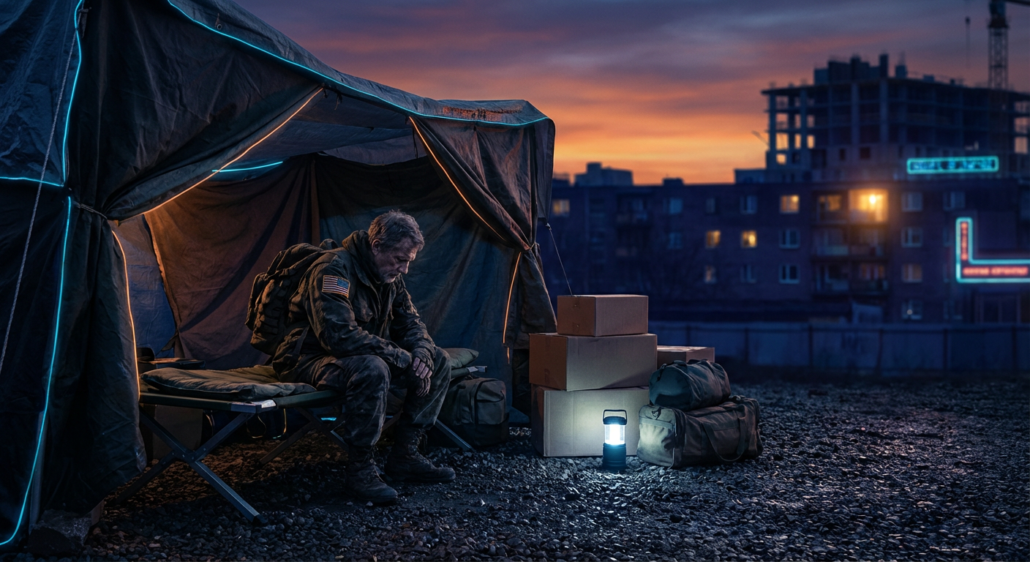
Walking through any major metropolitan center in 2026 reveals a harsh truth that statistics often try to soften. You see the fatigue in the eyes of men and women who once wore the uniform with pride, now standing on street corners or huddled in temporary shelters. It feels contradictory, doesn’t it? We speak of economic recovery and technological booms, yet the men and women who defended those freedoms are frequently the first to fall through the cracks of a crumbling housing market.
The veteran housing crisis is not a new problem, but it has evolved into a more aggressive beast. We are seeing a shift where traditional safety nets are being pushed to their absolute breaking point. While temporary fixes kept people off the streets for a few weeks in the past, those short-term patches are no longer holding. We need to look at why the current system is stuttering and what the ground-level reality looks like for someone transitioning out of the military today.
Rising Numbers Despite Federal Investment
Billions of dollars have flowed into federal programs over the last few years, yet the needle persists in moving the wrong way. It is frustrating to watch. You would think that record-level spending would equate to empty shelters, but the cost of living has outpaced even the most aggressive government stipends. In many cities, the standard housing voucher does not even cover the basement apartment in a safe neighborhood anymore.
When you look at the data, the disconnect becomes clear. We are seeing a 12% increase in unsheltered veterans in certain jurisdictions compared to just two years ago. This isn’t because the programs aren’t there, but because the programs are often designed for a 2015 economy. Supporting a wounded veteran charity that understands these modern financial pressures is one of the few ways to bridge that specific gap between federal aid and actual market rent.
The issue is also one of speed. A veteran in crisis does not have six months to wait for a committee to approve a rental subsidy. They have a landlord at the door today. Because many federal initiatives are bogged down in bureaucratic red tape, the money often arrives after the eviction has already taken place. This reactive stance is why many organizations are pivoting toward more supports veterans’ transition efforts that catch people before they lose their front door key.
Geographic Hotspots and Regional Disparities
Where a veteran lives often determines if they stay housed. If you are in the Sun Belt or the Pacific Northwest, the crisis is hitting a boiling point. These regions have seen such an influx of new residents that the local infrastructure simply cannot keep up. Consequently, veterans on fixed incomes are being priced out of their own hometowns by remote workers with higher salaries.
We are seeing “service deserts” pop up in rural areas, too. In these spots, there is plenty of land, but zero access to the specialized medical care or employment hubs that veterans need. This creates a forced migration. A veteran might have a cheap trailer in a rural county, but if they have to drive four hours for a VA appointment, they eventually move toward the city. Once they arrive, they find that the urban homes for our initiatives are at capacity.
Regional disparities also extend to legal protections. Some states have passed robust “Right to Counsel” laws for veterans facing eviction, while others offer almost no protection beyond a three-day notice. This creates a lottery system where your survival depends on your zip code. We must push for a baseline of support that does not vanish the moment you cross a state line.
Combat Veterans vs. Non-Combat Veterans: Different Risk Factors
It is a common misconception that every homeless veteran is a combat survivor struggling with PTSD. While that is a significant part of the population, the risk factors vary wildly depending on service history. Combat veterans often face “invisible wounds” that make maintaining steady employment a daily battle. For these individuals, the need for empowering wounded warriors through specialized housing is non-negotiable.
Non-combat veterans, on the other hand, often struggle with a lack of transferable credentials. They may have spent years in a highly technical military role that the civilian world does not recognize. When the paycheck stops, the housing instability begins.
Both groups are equally deserving of help, but the intervention tools must be different. You can’t treat a career-transition issue with the same tool you use for a traumatic brain injury recovery.
The common thread between these two groups is the sudden loss of community. In the military, you have a squad, a platoon, and a chain of command. In the civilian world, you are often just another applicant on a rental form.
That isolation acts as a force multiplier for every other problem. When a veteran loses their “tribe,” they lose the early warning system that usually prevents a financial slip from becoming a total collapse.
The Hidden Population: Veterans at Risk of Homelessness
If you only look at people sleeping on the streets, you are missing half the story. The “hidden homeless” are veterans couch-surfing, living in their cars, or spending 70% of their income on a substandard motel room. They aren’t in the official counts yet, but they are one flat tire or one sick child away from a total disaster. These are the people we should be talking about more often.
This group is often too “wealthy” for emergency aid but too poor to actually survive. It’s a terrifying middle ground. They don’t qualify for traditional homelessness programs because they technically have a roof over their heads, even if that roof is a 2012 sedan. If you want to help, opting to donate to injured through organizations that provide emergency grants can stop that car-living situation from becoming a permanent street presence.
We need to shift our focus to prevention. It is significantly cheaper and more humane to keep a veteran in their home than it is to re-house them once they have lost everything. Identifying these “at-risk” individuals requires better data and more community outreach.
Are we checking in on the veteran who just lost their job? Are we watching the ones who just went through a divorce? These are the moments where the housing crisis actually begins, long before the first night spent in a shelter.
Why Traditional Relief Programs Fall Short
The Revolving Door Effect of Temporary Shelters
Most cities respond to the veteran housing crisis by increasing bed counts in emergency shelters. While a warm bed for a night prevents immediate tragedy, it rarely addresses the root causes of instability for a former service member. Shelters function as holding patterns rather than homes, requiring residents to pack up and leave every morning only to return in the evening.
This lack of a fixed address makes it nearly impossible for a veteran to hold a steady job or manage health appointments. Without a private, secure space, the psychological toll of service-connected disabilities often intensifies. Transitioning through these facilities creates a sense of transience that can feel eerily similar to the constant moves of military life but without the structure or purpose. You might find that supporting a wounded veteran charity provides the framework needed to move beyond these temporary fixes toward real stability.
The “revolving door” narrative is not just a figure of speech but a statistical reality for many. Veterans often cycle from the street to a shelter, then back to the street when their stay limit expires. This cycle breaks down trust between the individual and the support systems designed to help them. Helping people through community solutions means focusing on permanent exits rather than just nightly intake numbers.
Shelters are necessary for immediate safety, but they should be a brief stop, not a destination. When we rely on these facilities as a primary solution, we are essentially managing the symptoms of poverty rather than curing it. True progress requires a shift toward housing models that offer privacy, dignity, and a door that locks from the inside.
Emergency Vouchers: Short-Term Band-Aids on Long-Term Problems
Emergency housing vouchers are frequently touted as a fast way to get people off the streets. While the intent is noble, the execution often fails because the marketplace is unforgiving. A veteran with a voucher in hand still faces the hurdle of finding a landlord willing to accept it in an increasingly competitive rental market. But even when a veteran successfully secures an apartment, these vouchers are often time-limited, creating a “fiscal cliff” where the subsidy eventually vanishes.
When the assistance ends before the veteran has reached financial independence, they often face eviction despite their best efforts. This creates a secondary crisis that is sometimes more traumatic than the first. For those who are also dealing with physical limitations, having the ability to donate to injured ensures that specialized financial aid is available when government subsidies fall short of the actual cost of living.
Short-term patches do not account for the rising costs of utilities, transportation, or medical debt. If a veteran is placed in a home but cannot afford the light bill, they aren’t truly housed. This is why understanding va benefits 2025 details is vital for families trying to layer their support systems effectively. A voucher is just a piece of paper; what veterans actually need is a sustainable financial foundation.
We must look at housing as a platform for recovery. If the platform is unstable or temporary, the recovery will be as well. The goal should be to bridge the gap between military service and civilian life with something more substantial than a ninety-day rental coupon.
Service Fragmentation and Administrative Barriers
The path to housing is often blocked by a wall of paperwork and redundant requirements. Veterans are frequently forced to visit multiple agencies, fill out identical forms, and prove their status repeatedly just to access basic assistance. This fragmentation is exhausting, especially for those dealing with PTSD or traumatic brain injuries. It can feel like a full-time job just to navigate the bureaucracy that is supposed to be helping you.
Administrative barriers often mean that by the time a veteran is approved for an apartment, the unit has already been rented to someone else. Time is the enemy in a housing crisis. When looking at how financial assistance the path for a family, the speed of the intervention is almost as important as the amount of money provided. Delays in processing lead directly to increased rates of chronic homelessness.
Agencies often operate in silos, meaning the veteran’s mental health provider might not speak to their housing caseworker. This lack of coordination leads to missed opportunities for holistic care. We need systems that prioritize the veteran’s time and dignity over administrative convenience. Simplifying the application process allows veterans to spend their energy on finding work and reconnecting with their families instead of chasing signatures.
Breaking down these silos requires a commitment to data sharing and integrated care. When organizations work together, the veteran benefits from a unified front. Reducing the “red tape” is not just about efficiency; it is about showing veterans that their service is respected enough to make their transition back to civilian life as smooth as possible.
The True Cost of Repeated Interventions
There is a common misconception that temporary relief is cheaper than permanent housing. In reality, the opposite is true. Frequent emergency room visits, police interactions, and shelter stays carry a massive public cost. When we fail to provide a permanent solution, we end up paying for the same veteran’s crisis over and over again for decades.
Studies consistently show that providing permanent supportive housing is a more efficient use of resources. It reduces the strain on local infrastructure and allows the veteran to contribute back to the economy. By choosing to donate to injured through established charities, you are helping to fund programs that break the cycle of dependency. This investment pays dividends in the form of stable neighborhoods and healthy, productive citizens.
The human cost is even higher. Each time a veteran falls back into housing instability, they lose a piece of their hope. The emotional toll of “almost” making it, only to lose your home again, is devastating to a person’s resolve. We owe it to our service members to provide solutions that actually solve the problem rather than just delaying the inevitable.
Focusing on long-term stability is the only way to end the veteran housing crisis for good. While temporary programs serve a purpose in a moment of extreme danger, they cannot be the finish line. We need to measure success not by how many people we sheltered last night, but by how many veterans never have to seek shelter again. Permanent housing is the only metric that truly matters in this fight.
Building Sustainable Housing Solutions That Last
Housing First Models: Evidence-Based Approaches That Work
The traditional approach to veteran housing often required individuals to be “housing ready” before they could move into a permanent home. This old method forced veterans to solve complex issues like addiction or unemployment while still living on the street or in a crowded shelter. In practice, that rarely works well.
It is incredibly difficult to focus on a job interview or a health regimen when you do not know where you will sleep tonight. The Housing First model flips this logic on its head by providing a secure roof over a veteran’s head as the very first step of the process.
Research consistently shows that getting a veteran into a stable home immediately reduces the stress of survival and allows them to focus on recovery. But these models are not just about handing over a set of keys and walking away. Success depends on the quality of the wounded veteran charity providing the initial placement and the subsequent support structure. When we remove the immediate fear of homelessness, we see a dramatic increase in the effectiveness of other social interventions. It is about creating a foundation of safety so the veteran can begin the hard work of rebuilding a life.
These evidence based approaches are becoming the standard for addressing the veteran housing crisis as we move toward 2026. By treating housing as a basic human right rather than a reward for good behavior, we see much higher rates of long term success. You cannot fix a life that is in a constant state of emergency. Starting with a permanent address gives the veteran a sense of dignity and a physical base of operations.
Wraparound Services: Addressing Root Causes Beyond Shelter
A house is a physical structure, but a home requires stability that goes beyond bricks and mortar. Many veterans struggle with housing because of underlying issues like service connected disabilities, untreated trauma, or sudden financial shifts. This is where wraparound services become vital.
These programs provide a layer of support that moves with the veteran from the street into their new residence. It might include mental health counseling, physical therapy, or legal aid to help sort out VA benefits that have been delayed for months.
Financial education is another pillar of these services that people often overlook. Helping a veteran manage a budget or navigate the complexities of modern credit systems is just as important as the housing itself. We have found that building financial stability requires a mix of immediate grants and long term career coaching. Without these tools, a veteran might find themselves back in a crisis the moment an unexpected car repair or medical bill arrives. It is about closing the gaps that lead to eviction before they even open.
When you donate to injured through programs that offer these services, you are funding more than just a bed. You are funding the case manager who checks in every week. You are funding the job placement specialist who helps a veteran translate military skills into a civilian resume. This comprehensive approach ensures that we are not just hiding the problem behind closed doors but actually solving the root causes of instability for the family unit.
Community Integration and Long-Term Stability Factors
Isolation is one of the biggest threats to a veteran’s long term housing stability. When a service member leaves the structured environment of the military, they often lose their entire social support network overnight. Placing a veteran in a remote apartment without access to transportation or a community of peers is a recipe for failure.
Real solutions focus on community integration, ensuring veterans are living in areas where they can easily access groceries, healthcare, and social opportunities. Small details like being near a local park or a veteran service organization can make a massive difference.
Stability also depends on the veteran feeling like they belong in their new neighborhood. Support programs often facilitate peer to peer mentoring where older veterans help newer arrivals adjust to civilian life. This sense of shared experience helps mitigate the feelings of loneliness that lead to depression and, eventually, housing loss. As we consider how veteran support in the coming years, the focus must shift toward these social connections. A veteran who feels connected to their neighbors is far more likely to seek help early when things go wrong.
- Proximity to Care: Housing should be located near VA clinics or specialized medical facilities.
- Transportation Access: Reliable public transit or vehicle assistance is essential for maintaining employment and attending appointments.
- Social Resilience: Building networks of friends and family who provide emotional support during tough transitions.
Measuring Success: Retention Rates vs. Initial Placement Numbers
In the world of veteran assistance, we often see high numbers reported for “placements.” While getting someone off the street for a night is a win, it is a shallow metric. If a veteran is placed in a home in January but is homeless again by June, the system has failed them. We need to focus our attention on retention rates—how many veterans are still in the same stable housing twelve or twenty four months later? This is the only figure that truly reflects whether a program is working or just spinning its wheels.
Low retention rates usually signal that the wraparound services we discussed earlier were either missing or insufficient. High retention rates tell a story of a veteran who has found a job, managed their health, and integrated into their community. It is a much harder metric to achieve because it requires a multi-year commitment from the supporting organizations.
But is there any other way to truly end the cycle of homelessness? We have to move past the “quick fix” mentality and invest in the long term health of our veteran population. This shift in measurement will hold organizations more accountable and ensure that donor dollars are being used for permanent change rather than temporary patches.
So, how do we make this the industry standard? By demanding better data and supporting organizations that prioritize the “forever home” over the “overnight stay.” When we look at the data for 2026, our goal should not be to see how many people we moved into shelters, but how many families have achieved permanent independence. Success is defined by the absence of a future crisis, not just the resolution of a current one. This is the path forward for any serious wounded veteran charity looking to make a lasting impact on those who served.
Innovation in Veteran Housing: What’s Working in 2026
Tiny Home Villages and Alternative Housing Models
Alternative housing models have moved from experimental concepts to verified successes in the fight against the veteran housing crisis. These communities offer more than just a roof. They provide a manageable, private space where a veteran can regain their sense of autonomy without the overwhelming maintenance of a traditional single family home.
Each unit is typically around 300 to 400 square feet but includes a full kitchen and bathroom. This small footprint allows for rapid construction on underused urban plots. By clustering these homes together, organizations create a built-in neighborhood feel that many former service members find comforting. It mirrors the close-knit structure of military life while ensuring individual privacy.
But the real magic happens in the communal spaces. Most villages include a central community center where veterans meet for shared meals or group therapy. This proximity helps combat the isolation that frequently leads to relapses into homelessness. When you Donate to Injured Veterans who live in these villages, you are funding the maintenance of these critical social hubs that keep people connected.
Data from several pilot programs in 2025 showed that veterans in tiny home communities had an 80 percent higher retention rate compared to those placed in scattered-site apartments. The visibility of their peers provides an informal accountability system. It is much harder to disappear or slip into old habits when your neighbors truly understand your background and daily struggles.
Public-Private Partnerships Driving Scalable Solutions
Government funding alone has rarely been enough to move the needle on permanent veteran housing. We have seen a massive shift toward sophisticated partnerships where private developers, local governments, and non-profits share the risk. This model allows for much faster project approvals and more creative financing structures than traditional federal grants allow.
In these arrangements, a city might provide a long-term land lease for one dollar. In exchange, a private developer agrees to reserve a specific percentage of units for veterans at deeply subsidized rates. This stabilizes the project’s cash flow while ensuring that vulnerable heroes have a place to live. Such collaborations are essential for overcoming the high cost of real estate in major metropolitan regions.
Working with a dedicated Wounded Veteran Charity often provides the necessary bridge between the corporate world and the military community. These organizations act as the service provider inside the building, ensuring the developer doesn’t have to worry about social work. It allows the builders to focus on construction while the experts focus on the people.
These partnerships have also paved the way for “social impact bonds” which pay out based on successful outcomes. If a project reduces the local veteran homelessness rate by a certain percentage, the investors receive a return from the government. This places the focus squarely on results rather than just checking boxes. You can read more about operation family and how we view these collaborative efforts for long-term stability.
Technology Integration for Better Case Management
The days of paper files and fragmented communication between agencies are finally fading. In 2026, integrated data systems allow different providers to see a veteran’s history in real-time. This prevents the “re-traumatization” of having a veteran tell their most difficult stories over and over to five different intake officers. Shared databases ensure that when a veteran moves, their support follows them.
Predictive analytics are also changing how we allocate resources. Modern software can flag a veteran who has missed two utility payments or a medical appointment. This allows for an immediate intervention before a small financial hiccup turns into an eviction notice. It is a proactive approach rather than a reactive one, which saves thousands of dollars in emergency costs later.
Smart home technology is another area seeing major growth. For veterans with mobility issues or traumatic brain injuries, automated lighting and voice-controlled appliances offer significant independence. These tools are no longer luxury items. They are essential components of a housing plan that respects the physical limitations some of our heroes face every day.
But technology is only useful if there is a human on the other end of the data. Case managers use these tools to prioritize the most urgent cases, ensuring that priority access goes to those at highest risk of a crisis. If you have questions about our technical approach, please contact us to speak with a representative about our current initiatives.
Peer Support Networks and Veteran-Led Housing Initiatives
One of the most effective veteran homelessness solutions is simply getting veterans to help other veterans. We have found that many individuals who are hesitant to work with government officials will listen to someone who wore the same uniform. Peer-led housing initiatives empower former service members to take ownership of their community’s wellbeing.
These programs often involve “peer navigators” who have lived experience with housing instability. They walk new residents through the application process for benefits and help them understand the rules of their new lease. It removes the “us versus them” mentality that can sometimes develop between a tenant and a landlord or a non-profit organization.
- Accountability: Veterans hold each other to a higher standard of conduct and cleanliness.
- Mentorship: Older veterans provide guidance to younger service members transitioning out of the military.
- Security: Having a 24/7 presence of peers creates a safer environment for those with PTSD.
- Advocacy: Veteran-led groups are more effective at lobbying local councils for zoning changes.
This model creates a virtuous cycle. A veteran who was once homeless receives permanent housing and, after achieving stability, becomes a mentor for the next person entering the program. This reduces the burden on professional staff and building long-term stability for the entire community. When you support a Wounded Veteran Charity, you are often funding these peer training programs that turn former clients into future leaders.
By focusing on these four pillars of innovation, we are finally seeing a measurable decline in the number of veterans sleeping on the streets. It is not a quick fix, but a deliberate shift toward systems that actually work for the long haul. The goal is always to move beyond temporary relief and toward a future where every veteran has a place to call home.
The Economics of Permanent Housing Investment
Cost-Benefit Analysis: Prevention vs. Crisis Response
Analyzing the financial burden of the veteran housing crisis reveals a stark contrast between reactive and proactive spending. Taxpayer dollars often flow toward emergency interventions, such as high-cost shelter beds, emergency room visits, and judicial processing. These “band-aid” fixes provide immediate safety but fail to resolve the underlying instability that keeps a veteran on the streets.
Research consistently shows that placing a veteran in permanent veteran housing costs significantly less than maintaining them in a state of chronic homelessness. When we shift funds toward long-term residential solutions, we reduce the frequency of police interactions and the heavy usage of public crisis centers. This shift represents a smarter use of capital that prioritizes human dignity over bureaucratic maintenance.
Operation Family Fund recognizes that providing assistance to veterans before they lose their homes is the most efficient way to manage resources. By intervening early, we avoid the astronomical costs associated with re-housing a family that has already entered the shelter system. Prevention isn’t just a moral choice; it is a fiscally responsible strategy for any organization working within the veteran charity sector.
But how do we quantify the value of a home? Beyond the rental price, we must look at the total system savings generated when a veteran is no longer in “crisis mode.” Every dollar spent on permanent solutions yields a measurable return in reduced public service demand. This allows our wounded veteran charity to focus more on growth and recovery rather than just extinguishing fires.
Healthcare Savings Through Housing Stability
Health outcomes are inextricably linked to a veteran’s physical environment. Living in temporary or unstable conditions aggravates chronic injuries and mental health challenges, leading to frequent and expensive hospitalizations. When a veteran has a locked door and a private bed, their ability to manage medication and attend follow-up appointments improves almost instantly.
Wait times at VA facilities and community clinics often decrease when the patient population is housed and stable. Stability allows for preventative care, which is vastly cheaper than treating an advanced infection or a severe mental health episode in an emergency setting. The data shows that “Housing First” models lead to a 50% reduction in emergency room visits for formerly homeless individuals.
Financial contributors who make a donation to support these initiatives are essentially funding a decentralized healthcare solution. By removing the stress of the street, we give the veteran’s body and mind the space to heal from service-related trauma. This reduction in medical dependency frees up resources for other veterans who are waiting for specialized care.
And let’s be honest about the physical toll of 2026’s economic climate. Rising costs of living and medical inflation mean that every preventable hospital visit saved is a win for the entire community. Housing is the most effective medicine we can prescribe for those who served. It provides the foundation for all other therapeutic interventions to actually work.
Employment and Economic Productivity Gains
It is nearly impossible to hold a steady job without a permanent address. Employers require reliability, a clean appearance, and a clear mind—all of which are stripped away by the veteran housing crisis. When we provide permanent veteran housing, we are effectively re-integrating a skilled worker back into the local economy.
Veterans possess unique leadership skills, technical training, and a work ethic that is often unmatched in the civilian world. However, these assets remain untapped if the individual is focused entirely on where they will sleep tonight. By securing housing, we unlock the veteran’s potential to earn a living, pay taxes, and contribute to their neighborhood’s growth.
The economic ripple effect of one veteran finding stable employment is substantial. They spend their wages at local businesses, support their families, and reduce their reliance on government subsidies. This transition from “service recipient” to “active participant” in the economy is the ultimate goal of any effective wounded veteran charity program.
So, we must view housing as an essential workforce development tool. When you choose to donate to injured, you aren’t just buying bricks and mortar. You are investing in the professional future of a person who has already proven they can handle immense responsibility. Stability is the bridge that allows them to cross back into the workforce with confidence.
Breaking the Cycle: Intergenerational Impact on Military Families
The housing status of a veteran today dictates the trajectory of their children tomorrow. Children in stable homes perform better in school, experience fewer behavioral issues, and are more likely to achieve higher education. Conversely, the trauma of housing instability can lead to a cycle of poverty that lasts for generations.
By focusing on veteran homelessness solutions that are permanent rather than temporary, we protect the next generation of potential service members. Military families deserve to know that their sacrifice won’t result in their children growing up in motels or cars. Ensuring a veteran parent has a permanent home is the best way to ensure their children have a fair shot at success.
Supportive housing programs offer more than just a roof; they provide a sense of belonging and community. This social infrastructure is vital for children who have already dealt with the stress of parental deployments or service-related injuries. When the home is stable, the family unit can begin to mend the emotional scars left by years of military life.
We see the results of these investments every day in the families we serve through our program. It’s about changing the story for the entire family tree. Investing in permanent housing is an investment in the long-term health of our nation’s social fabric. We don’t just want to help a veteran for a month; we want to help their family for a lifetime.
Creating Lasting Change: A Call to Action for 2026 and Beyond
Policy Recommendations for Sustainable Funding Models
The veteran housing crisis requires more than just high-level awareness. It demands a restructured approach to how we fund residential stability. Short-term grants often run dry before a family even settles in, creating a cycle of anxiety and potential relapse into homelessness.
We need to advocate for funding models that prioritize multi-year support over 30-day emergency injections. Budgeting for 2026 should focus on “braided” funding streams. This means combining federal grants with private sector investments to ensure a veteran has coverage for at least 24 months as they transition to civilian employment.
Legislators should reconsider the rigid criteria that often disqualify families during the application process. By adjusting income thresholds to reflect current rental costs, we can prevent families from falling through the cracks. Sustainable funding isn’t just about the dollar amount, but about the reliability of those funds over time.
When you support a wounded veteran charity that understands these nuances, your contribution goes toward bridging the gap between temporary crisis and permanent stability. This approach ensures that the “rapid” in rapid rehousing doesn’t lead to a rapid return to the streets.
How Veterans Organizations Can Advocate for Systemic Change
Nonprofits and advocacy groups serve as the bridge between the veteran and the complex bureaucracy of the VA. In 2026, these organizations must shift their focus from being simple service providers to becoming policy influence drivers. How do we make this transition effectively?
It starts with data collection. Organizations need to track not just how many veterans they house, but how many remain housed after two years. This data provides the “why” behind requests for more permanent veteran housing solutions. It proves that investment in long-term care actually saves taxpayers money on emergency interventions later.
But advocacy also happens at the individual level. Case managers should be trained to identify systemic barriers, like restrictive zoning laws that prevent veteran-specific complexes from being built. Speaking up at city council meetings is just as important as filling out a grant application.
Effective intervention requires us to listen to the lived experiences of those who have served. By centering veteran voices in our advocacy, we ensure that the systems we build actually meet their needs. This collective effort ensures that “priority” status for veterans becomes a reality rather than just a talking point on a website.
Community Engagement Strategies That Drive Results
Change doesn’t just happen in Washington or at organizational headquarters. It happens in local neighborhoods where veterans live and work. To solve the housing crisis, we must build community ecosystems that actively welcome veterans back into the fold through mentorship and employment opportunities.
Local businesses can play a massive role by partnering with housing programs to provide stable income. Without a job, housing is rarely permanent. By creating “Veteran Employment Hubs,” cities can sync housing placement with immediate job openings, ensuring the veteran can handle rental costs on their own within a few months.
Consider these community-driven strategies:
- Landlord Partnerships: Creating incentives for property owners to rent to veterans regardless of their past credit history.
- Volunteer Mentorship: Pairing veterans with local community leaders to help them navigate the social aspects of civilian life.
- Emergency Relief Funds: Setting up local “micro-grants” to cover a single car repair or utility bill that might otherwise lead to an eviction.
Public awareness campaigns should transition away from “awareness” and toward “action.” You can donate to injured to provide the direct financial assistance that keeps a roof over a family’s head during a sudden medical crisis. Local engagement turns a house into a home by providing the social fabric a veteran needs to thrive.
Honoring Service Through Housing Security
At the end of the day, housing security is the most fundamental way we can say “thank you” to those who wore the uniform. It’s a hollow gesture to celebrate holidays without ensuring every service member has a safe place to sleep. Permanent solutions are the only way to truly honor that sacrifice.
Success in 2026 will be measured by the number of families who no longer need to worry about where they will stay next month. We must move beyond the “emergency mindset” and start building a future where veteran homelessness is rare, brief, and non-recurring. This requires a commitment to the “whole person” rather than just a housing unit.
Are we ready to make the necessary changes? The transition from military to civilian life is hard enough without the added weight of financial stress. We have the tools and the knowledge to end this crisis if we choose to prioritize long-term stability over temporary fixes.
Key Takeaways for Moving Forward:
- Permanent housing must be the priority over temporary shelters.
- Funding models need to be flexible and cover the first 12-24 months of transition.
- Community support and local employment are necessary for long-term success.
- Advocacy at the local and federal level is required to change the system.
Your support makes a difference in these efforts. Whether you are a donor, a volunteer, or an advocate, your role is vital. Let’s work together to ensure that no veteran is left behind in 2026 and that every hero has a place to call home.