Veteran Caregiver Burnout Is Real: Recognizing the Signs and Finding Support
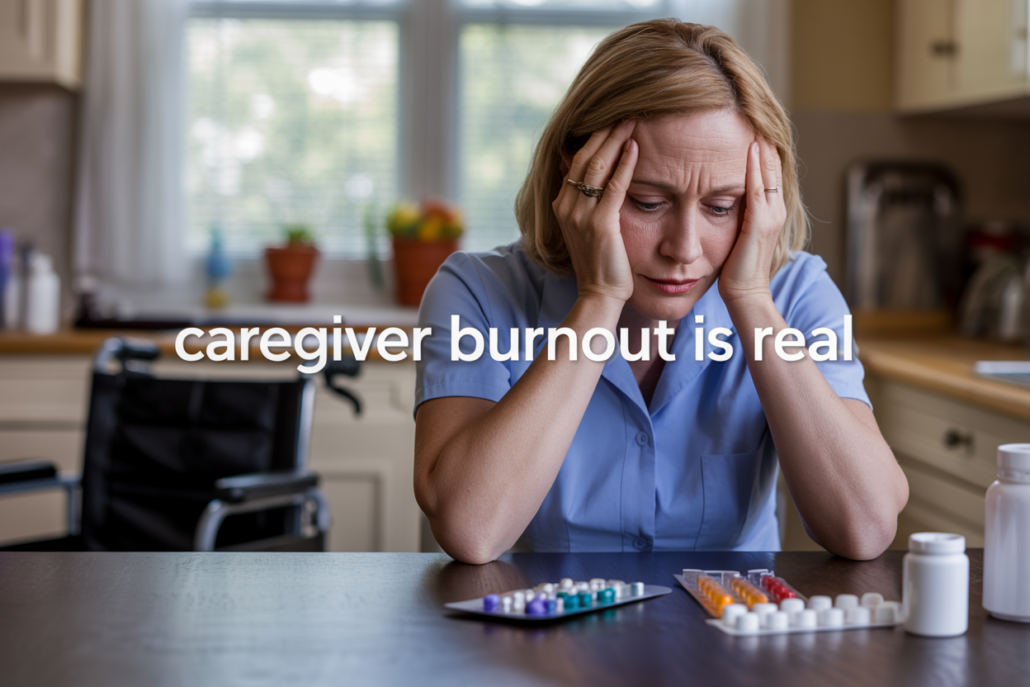
Caring for a veteran comes with unique challenges that can push even the strongest family members to their breaking point. Veteran caregiver burnout affects thousands of military families, yet many caregivers don’t recognize the warning signs until they’re completely overwhelmed.
This guide is for veteran spouses, family members, and friends who provide daily care and support to veterans dealing with physical injuries, PTSD, or other service-connected conditions. You’re not alone in feeling exhausted, frustrated, or emotionally drained.
We’ll walk you through how to spot the physical, emotional, and behavioral signs of caregiver burnout before it becomes a crisis. You’ll also discover practical ways to find professional help and build a strong support network that actually understands what military families go through. Most importantly, we’ll share realistic self-care strategies you can start using today, even when your schedule feels overwhelming.
Your veteran needs you, but you can’t pour from an empty cup. Let’s talk about how to take care of yourself while caring for the person who served our country.
Understanding Veteran Caregiver Burnout
Defining burnout in the context of veteran caregiving
Veteran caregiver burnout represents a state of physical, emotional, and mental exhaustion that occurs when family members or loved ones become overwhelmed by the demands of caring for a military veteran. Unlike general fatigue or temporary stress, burnout develops gradually and creates a persistent sense of depletion that affects every aspect of a caregiver’s life.
This condition goes beyond feeling tired after a difficult day. Caregivers experiencing burnout often feel emotionally drained, cynical about their situation, and question their ability to provide effective care. The constant vigilance required when caring for veterans with PTSD, traumatic brain injuries, or other service-connected disabilities can push caregivers to their breaking point.
Key statistics revealing the scope of the problem
The numbers surrounding veteran caregiver burnout paint a sobering picture. According to recent studies, approximately 5.5 million Americans serve as unpaid caregivers to veterans, with many dedicating more than 40 hours per week to caregiving. Research shows that 40% of military caregivers report high levels of burden, compared to 17% of civilian caregivers.
Depression rates among veteran caregivers reach nearly 50%, significantly higher than the general population. Sleep deprivation affects 70% of military family caregivers, while anxiety disorders impact over 60%. Financial strain compounds these challenges: 25% of veteran caregivers report reducing work hours or leaving employment entirely to provide care.
How veteran caregiving differs from traditional caregiving roles
Caring for veterans presents unique challenges that set it apart from traditional caregiving situations. Military caregivers often deal with invisible wounds like PTSD, depression, and traumatic brain injuries that create unpredictable behavioral patterns and emotional responses. These conditions can trigger sudden mood swings, hypervigilance, or withdrawal, requiring caregivers to remain constantly alert.
The veteran’s military training can also complicate the caregiving dynamic. Many veterans struggle to accept help due to ingrained independence and self-reliance. This resistance can create tension and frustration for caregivers who want to provide support but face pushback from their loved ones.
Military families frequently relocate, disrupting established support networks and making it harder to find consistent healthcare providers familiar with veteran-specific needs. The complexity of navigating VA systems and military benefits adds another layer of stress that civilian caregivers rarely encounter.
The unique emotional toll of caring for combat veterans
Combat veterans often carry psychological wounds that profoundly impact their caregivers. Living with someone who has experienced trauma can create secondary trauma for family members, who may develop their own symptoms of anxiety, depression, or hypervigilance.
Caregivers frequently describe walking on eggshells, never knowing what might trigger a flashback or emotional outburst. The unpredictability of PTSD symptoms means caregivers must remain constantly prepared for crisis situations, leading to chronic stress and hyperarousal.
Survivor’s guilt affects many veteran caregivers who feel guilty for struggling with their role when their loved one has sacrificed so much for their country. This guilt can prevent caregivers from seeking help or acknowledging their own needs, accelerating the path toward burnout.
The social isolation that often accompanies veteran caregiving compounds the emotional toll. Friends and extended family may not understand the unique challenges, leaving caregivers feeling alone and misunderstood in their daily struggles.
Recognizing Physical Warning Signs
Chronic fatigue and sleep disturbances
When you’re caring for a veteran with physical or mental health challenges, your body bears the brunt of constant stress and vigilance. Caregiver burnout signs often begin with overwhelming fatigue that doesn’t go away, even after a full night’s rest. You might find yourself waking up feeling like you haven’t slept at all, despite being in bed for eight hours.
Sleep becomes elusive when your mind races with worry about your veteran’s next appointment, medication schedules, or sudden behavioral changes. Many veteran caregivers report lying awake at night, listening for sounds that might indicate their loved one needs help. This hypervigilance disrupts natural sleep cycles, leading to fragmented rest that leaves you feeling drained.
The exhaustion goes beyond normal tiredness. You might notice that simple tasks like grocery shopping or doing laundry feel monumentally difficult. Your energy reserves are constantly depleted, making it hard to engage in activities you once enjoyed. This persistent fatigue can make a veteran caregiver’s stress feel even more overwhelming, creating a cycle where poor sleep leads to increased stress, which then makes sleep even more difficult to achieve.
Frequent illness and weakened immune system
Chronic stress from military caregiver stress takes a serious toll on your body’s ability to fight off infections and illnesses. When you’re constantly operating in crisis mode, your immune system becomes compromised, leaving you vulnerable to every cold, flu, or stomach bug that comes your way.
You might notice that you’re getting sick more often than usual, and when you do get ill, it takes longer to recover. What used to be a simple three-day cold now lingers for weeks. Your body struggles to recover because it’s already stretched thin by the demands of caregiving.
The stress hormones flooding your system during challenging caregiving situations suppress immune function over time. This biological response was designed for short-term threats, not the sustained pressure of supporting a veteran through ongoing health challenges. Your body simply wasn’t built to maintain this level of alertness indefinitely.
Minor infections that your immune system would normally handle with ease become more problematic. You might find yourself dealing with recurring sinus infections, persistent coughs, or digestive issues that appear without warning and do not resolve quickly.
Unexplained aches, pains, and headaches
Physical tension manifests differently for everyone experiencing veteran caregiver burnout. Your shoulders might feel permanently knotted from carrying the weight of responsibility, or you could develop persistent lower back pain from the physical demands of helping your veteran with mobility issues.
Tension headaches become frequent companions when you’re juggling medical appointments, insurance claims, and daily caregiving tasks. These headaches often start as a tight band around your head and can progress to debilitating migraines that force you to retreat to a dark room. The pain might be your body’s way of demanding the rest and relief you’re not giving yourself.
Joint pain and muscle aches can appear seemingly out of nowhere. Your neck may feel stiff every morning, or your hands may ache from repetitive motions while lifting, transferring, or assisting your veteran throughout the day. These physical symptoms are real manifestations of the mental and emotional strain you’re carrying.
Digestive issues often accompany the physical stress response. Stomach pain, nausea, or changes in appetite can all signal that your body is struggling under the pressure. These symptoms might not have an obvious medical cause but are direct results of prolonged exposure to caregiver stress and the toll it takes on your physical well-being.
Identifying Emotional and Mental Health Symptoms
Persistent Feelings of Overwhelm and Hopelessness
When veteran caregiver burnout takes hold, the emotional weight can feel crushing. You might find yourself staring at the ceiling at 3 AM, wondering how you’ll make it through another day. That constant sense of being underwater, where every task feels monumental, is a clear warning sign that your mental health needs attention.
The hopelessness often creeps in gradually. What once felt manageable now seems impossible. You may catch yourself thinking, “Nothing I do makes a difference,” or “This will never get better.” These aren’t character flaws – they’re caregiver burnout signs telling you that your emotional reserves are dangerously low.
Increased Irritability and Mood Swings
Snapping at your veteran for asking the same question twice, losing your temper with the pharmacy clerk, or feeling rage over minor inconveniences – these reactions signal emotional exhaustion. Military caregiver stress often manifests as a shortened fuse, where patience becomes a luxury you can no longer afford.
Your mood might swing from numbness to anger to sadness within hours. Friends and family may notice you’re “not yourself,” and they’re right. When caregiving demands exceed your emotional capacity, irritability becomes your nervous system’s way of saying “enough.”
Loss of Interest in Previously Enjoyed Activities
Remember when you used to love reading, gardening, or meeting friends for coffee? Caregiver mental health deterioration often shows up as anhedonia – the clinical term for losing pleasure in things that once brought joy. Your hobbies collect dust, invitations get declined, and activities that used to recharge you feel like additional burdens.
This isn’t laziness or selfishness. Your brain, overwhelmed by caregiving responsibilities, has shifted into survival mode, filtering out anything that isn’t immediately necessary.
Anxiety and Depression Indicators
Military family burnout frequently triggers anxiety disorders and depression. You might experience racing thoughts about worst-case scenarios, panic attacks when facing medical appointments, or persistent worry about your veteran’s condition worsening.
Depression symptoms include persistent sadness, changes in appetite, sleep disturbances, and feelings of worthlessness. Many caregivers report feeling as though they’re “going through the motions” without truly living.
Difficulty Concentrating and Making Decisions
When your mind feels like a browser with too many tabs open, simple decisions become overwhelming. Choosing what to make for dinner, remembering appointments, or staying focused on conversations can be exhausting. This cognitive fog is your brain’s response to chronic stress and a key indicator that veteran caregiver resources and support are needed immediately.
Spotting Behavioral Changes That Signal Burnout
Social isolation from friends and family
When veteran caregiver burnout takes hold, one of the most telling signs is the gradual withdrawal from social connections. You might find yourself repeatedly canceling plans, making excuses to avoid gatherings, or simply not responding to texts and calls from friends. This isolation often happens slowly, making it easy to miss until the distance becomes significant.
The demanding nature of caring for a veteran can create a cycle where social obligations feel overwhelming. Birthday parties, family dinners, or casual coffee dates might seem impossible to manage when you’re already stretched thin. Many caregivers report feeling that others “just don’t understand” their situation, leading them to withdraw from relationships that once brought joy and support.
This withdrawal isn’t just about being too busy – it’s about feeling emotionally depleted and unable to engage meaningfully with others. You might worry about being a burden or feel guilty for taking time away from your veteran’s care. Unfortunately, this isolation only deepens caregiver burnout, creating a challenging pattern where the very connections that could provide relief become increasingly distant.
Neglecting personal care and health
Personal hygiene and health maintenance often become casualties of veteran caregiver stress. When every moment revolves around someone else’s needs, basic self-care routines can quickly fall by the wayside. You might skip showers, forget to brush your teeth, or wear the same clothes for days without noticing.
Medical appointments become easy targets for cancellation when competing with your veteran’s healthcare needs. Regular checkups, dental cleanings, and prescription refills are repeatedly put off. Many caregivers find themselves running on empty, ignoring warning signs like persistent headaches, back pain from lifting, or changes in their vision.
The irony isn’t lost: while dedicating yourself to another person’s health and well-being, your own physical condition deteriorates. Sleep becomes secondary to nighttime monitoring, proper meals get replaced with quick snacks grabbed between tasks, and exercise disappears entirely from your routine. This neglect compounds the stress on your body and mind, making it harder to provide quality care while accelerating the path toward complete burnout.
Increased reliance on alcohol or substances
Turning to alcohol or other substances to cope with military caregiver stress represents a dangerous progression in burnout symptoms. What might start as an occasional glass of wine to “take the edge off” can gradually increase to regular drinking as a way to manage overwhelming emotions and exhaustion.
Prescription medications present another area of concern. Pain relievers, sleep aids, or anxiety medications prescribed for legitimate medical issues can become problematic when used beyond their intended purpose. The temptation to take extra doses to escape emotional pain or achieve better sleep can develop into dependence.
Some caregivers also turn to over-the-counter medications, caffeine, or other substances to either boost energy during the day or wind down at night. The key warning sign is when these substances become necessary to function rather than occasional aids. If you find yourself planning your day around when you can have a drink, hiding your consumption from others, or feeling unable to cope without these substances, it’s time to seek professional help.
Changes in eating patterns and appetite
Caregiver mental health directly impacts eating habits, often in dramatic ways. Some caregivers lose their appetite entirely, surviving on coffee and quick snacks while forgetting proper meals. Others turn to food for comfort, eating more than usual or choosing high-calorie processed foods that provide temporary emotional relief.
Meal planning becomes another overwhelming task when you’re already managing complex medical schedules, appointments, and daily care routines. You might find yourself eating your veteran’s leftover food, grabbing whatever is convenient, or going long periods without eating. These irregular patterns can lead to significant weight loss or gain, both of which signal that burnout is affecting your physical health.
The social aspect of eating also changes during burnout. Family meals might become rushed or eliminated entirely, and you may find yourself eating alone while your veteran sleeps or during brief quiet moments. This disruption of normal eating routines often goes unnoticed until the physical effects become obvious – clothes fitting differently, energy levels plummeting, or digestive issues developing.
Finding Professional Support Resources
VA Caregiver Support Programs and Benefits
The Department of Veterans Affairs recognizes the critical role caregivers play in supporting our nation’s veterans. The VA Caregiver Support Program offers comprehensive assistance for caregivers of veterans with service-connected disabilities. Eligible caregivers can receive a monthly stipend, health insurance coverage, mental health counseling, and access to respite care services.
To qualify for the Program of Comprehensive Assistance for Family Caregivers, the veteran must have sustained or aggravated a serious injury in the line of duty on or after September 11, 2001. Caregivers receive extensive training in safe patient transfers, medication management, and recognizing medical emergencies. The program also provides ongoing support through case management and regular home visits.
The VA also offers the Program of General Caregiver Support Services, which provides resources and referrals to all veteran caregivers regardless of the veteran’s period of service. This includes caregiver support coordinators at every VA medical center who connect families with local resources and answer questions about available services.
Additional benefits include access to the VA’s Caregiver Support Line (1-855-260-3274), online support groups, and educational webinars. These veteran caregiver resources help address the unique challenges military families face while managing caregiver mental health alongside their loved one’s care needs.
Mental Health Counseling Specifically for Caregivers
Professional mental health support tailored to caregiver experiences can significantly improve the management of veteran caregiver burnout. Many VA medical centers now offer specialized counseling services for military and veteran family members, including individual, group, and couples therapy.
These specialized programs understand the unique stressors caregivers face, such as dealing with combat-related PTSD, traumatic brain injuries, and the complex emotions that come with caring for someone who has served their country. Licensed therapists trained in military culture can provide strategies for managing caregiver stress while maintaining healthy relationships.
Private mental health providers also offer caregiver-focused therapy. Many accept TRICARE or other veteran family benefits, making these services more accessible. Online therapy platforms have expanded options for caregivers who cannot leave their loved ones for extended periods or live in rural areas with limited local resources.
Group therapy sessions specifically for veteran caregivers create opportunities to connect with others facing similar challenges. These sessions often focus on stress management techniques, boundary setting, and the development of healthy coping mechanisms. A shared understanding among participants helps reduce the isolation that often accompanies veteran family support roles.
Respite Care Services and How to Access Them
Respite care provides temporary relief for caregivers, allowing them essential breaks to rest, attend appointments, or simply recharge. The VA offers several respite care options through its medical centers, including adult day health programs, in-home respite services, and short-term residential care.
Adult day health programs provide structured activities and medical supervision for veterans during daytime hours. These programs typically run Monday through Friday and include meals, social activities, and basic medical monitoring. This allows caregivers to work, run errands, or attend to their own health needs while knowing their veteran is in a safe, engaging environment.
In-home respite services bring trained caregivers directly to the veteran’s home for several hours or overnight stays. This option works well for veterans who are more comfortable in familiar surroundings or have mobility limitations that make transportation challenging.
To access these services, contact the caregiver support coordinator at your local VA medical center. They will assess your specific needs and help determine which respite options work best for your situation. Some private organizations also offer respite care services for veteran families, often subsidized through grants or community funding.
Many states have additional respite programs specifically for military families. Local Area Agencies on Aging can also provide information about community-based respite services that may be available regardless of military status, expanding options for comprehensive veteran family support.
Building Your Personal Support Network
Connecting with Other Veteran Caregivers
Finding others who truly understand your daily challenges as a veteran caregiver can be life-changing. These connections offer something that family and friends, despite their best intentions, often can’t provide – lived experience. When you talk to another veteran caregiver about the challenges of managing PTSD episodes or navigating VA appointments, you’re speaking with someone who gets it without explanation.
Start by contacting local VA medical centers, which often host caregiver support meetings. Many veteran service organizations, such as the VFW, American Legion, and Disabled American Veterans, have chapters that welcome caregivers. These groups frequently organize informal gatherings where you can meet others facing similar challenges with military caregiver stress.
Don’t overlook the power of chance encounters. Strike up conversations at VA waiting rooms, veteran events, or even at the grocery store when you spot someone with military-related clothing or accessories. Many lasting friendships between veteran caregivers begin with these spontaneous connections.
Using Family and Friend Support Systems
Your existing relationships can become pillars of strength when you’re dealing with signs of caregiver burnout, but you need to be intentional about how you engage with them. Start by identifying which friends and family members are reliable listeners versus those who prefer to help with practical tasks.
Be specific when asking for help. Instead of saying “I could use some support,” try “Could you watch the kids Saturday afternoon so I can grocery shop alone?” or “Would you mind calling once a week just to check in?” Clear requests make it easier for people to help effectively.
Don’t assume people understand what veteran family support looks like. Take time to educate your inner circle about your veteran’s condition and your daily challenges. When friends understand why you can’t make last-minute plans or why certain environments might be triggering, they’re more likely to offer appropriate support.
Joining Online Communities and Support Groups
Digital connections can provide 24/7 support when caregiver mental health concerns hit at 2 AM or during holidays when traditional resources aren’t available. Facebook groups specifically for military spouses and veteran caregivers offer safe spaces to vent, ask questions, and share resources.
Reddit communities like r/Veterans and caregiver-focused forums provide anonymous spaces to discuss sensitive topics you might not feel comfortable sharing locally. Many people find comfort in reading others’ experiences, even when they’re not ready to share their own.
Look for video support groups through organizations like the Elizabeth Dole Foundation’s Hidden Heroes campaign or the Military Child Education Coalition. These structured meetings often provide professional facilitation while maintaining the peer support element that makes them valuable.
Working with Healthcare Team Members
Your veteran’s healthcare team can become part of your extended support network when you approach these relationships strategically. Build relationships with social workers, patient advocates, and care coordinators who can help navigate complex systems and connect you with veteran caregiver resources.
Don’t hesitate to advocate for yourself during medical appointments. Ask healthcare providers about caregiver support services and make sure they understand how your veteran’s condition affects the entire family. Many medical professionals are willing to provide additional resources when they recognize family burnout.
Consider asking your veteran’s treatment team about family therapy sessions or caregiver education programs. These services help you develop coping strategies and stay connected to professional support systems that understand military-specific challenges.
Developing Effective Self-Care Strategies
Setting realistic boundaries and expectations
You can’t pour from an empty cup, and that’s especially true when you’re caring for a veteran dealing with physical or mental health challenges. Caregiver self-care strategies start with accepting that you’re not superhuman. Many military caregivers struggle with this because they feel like they should be able to handle everything – after all, your loved one served their country, so shouldn’t you be able to serve them perfectly?
Healthy boundaries protect both you and your veteran. Start by identifying what you can realistically handle each day. Maybe that means declining extra responsibilities or asking other family members to pitch in. Write down your non-negotiables – the things you absolutely must do – and separate them from the things that would be nice to do but aren’t essential.
Remember that your veteran’s healing journey isn’t entirely your responsibility. Professional medical teams, therapists, and support services exist for a reason. Your role is to provide love and support, not to be a one-person treatment facility.
Creating a sustainable daily routine
Military caregiver stress often comes from feeling like every day is unpredictable chaos. A flexible but structured routine can be your lifeline. Design a daily schedule that includes time for your veteran’s needs while carving out specific moments for yourself.
Build in buffer time between activities – caregiving rarely goes according to plan. Your veteran might have a rough morning, appointments might run long, or paperwork might take longer than expected. Having breathing room in your schedule prevents every small delay from derailing your entire day.
Include small victories in your routine. Maybe it’s enjoying coffee while it’s still hot, reading a few pages of a book, or taking a quick walk around the block. These moments aren’t selfish – they’re essential fuel that keeps you going.
Consider creating different routines for different types of days. Bad pain days for your veteran may require a different approach than good days. Having multiple game plans ready reduces the mental energy you spend figuring out what to do when circumstances change.
Incorporating stress-reduction techniques
Veteran caregiver burnout feeds on chronic stress, so developing healthy coping mechanisms is crucial. Deep breathing exercises work anywhere, anytime. When you feel overwhelmed, try the 4-7-8 technique: breathe in for 4 counts, hold for 7, exhale for 8. It activates your body’s relaxation response almost immediately.
Physical movement, even in small doses, can reset your mental state. You don’t need a gym membership or hour-long workouts. Stretching for five minutes, doing jumping jacks in your living room, or dancing to one favorite song can shift your energy completely.
Mindfulness doesn’t require meditation retreats or special equipment. Practice being present during routine activities. When you’re washing dishes, focus on the warm water and soap bubbles instead of mentally rehearsing tomorrow’s to-do list. When you’re walking, notice the sounds around you instead of worrying about your veteran’s next appointment.
Progressive muscle relaxation helps when your body carries tension from constant vigilance. Start with your toes and work up, tensing each muscle group for five seconds, then releasing. You’ll often discover you’re holding stress in places you didn’t even realize.
Maintaining your own health appointments
Your health matters just as much as your veteran’s, even when it doesn’t feel that way. Caregiver mental health deteriorates quickly when you consistently put your own medical needs last. Skipping your doctor’s appointments, ignoring symptoms, or postponing preventive care might seem like dedication, but it’s actually a recipe for disaster.
Schedule your appointments like you would any other important commitment. Put them on the calendar and treat them as non-negotiable. If you need help caring for your veteran during these times, reach out to family, friends, or respite care services well in advance.
Don’t minimize your symptoms or concerns when talking to healthcare providers. Caregiver stress manifests physically through headaches, sleep problems, digestive issues, and weakened immune systems. These aren’t character flaws – they’re real health issues that deserve attention.
Consider telehealth options when in-person appointments are not feasible. Many providers now offer virtual consultations that can help you maintain your health without leaving your veteran alone for extended periods. Mental health support is especially accessible through online platforms, making it easier to prioritize your caregiver’s mental health needs.
Veteran caregiver burnout affects thousands of families nationwide, and recognizing the warning signs early can make all the difference. The physical exhaustion, emotional overwhelm, and behavioral changes you might be experiencing aren’t signs of weakness—they’re clear indicators that you need and deserve support. From chronic fatigue and sleep problems to increased irritability and social withdrawal, these symptoms tell an important story about your well-being.
The good news is that help is available, and you don’t have to navigate this journey alone. Professional resources, support groups, and self-care strategies can provide the relief and guidance you’re looking for. Building a strong support network while prioritizing your own physical and mental health isn’t selfish—it’s essential for both you and the veteran you’re caring for. Take that first step today by reaching out to a healthcare provider, connecting with other caregivers, or simply acknowledging that your feelings are valid and that seeking help shows incredible strength.
Operation Family Fund is a trusted Wounded Veteran Charity that provides critical financial support and recovery resources to Injured Veterans and their families. Our commitment is to restore hope, independence, and stability for those who’ve given so much. Explore meaningful insights, such as “Is the PACT Act Failing Our Heroes?“ The Truth About Veterans’ Benefits to see how we continue to champion the well-being of America’s heroes.