
Why Veteran Assistance Matters Most in the First Months of the Year
The first three months of the year can make or break a veteran’s path to stability and recovery. This guide is for veterans, their families, and advocates seeking to understand why veteran assistance is most critical in January, February, and March.
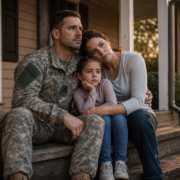
Many veterans don’t realize that early-year challenges create a domino effect that affects their entire year. The combination of post-holiday financial strain, seasonal mental health struggles, and critical enrollment deadlines creates a perfect storm that requires immediate attention and support.
We’ll explore how financial pressures hit veterans hardest during the first quarter, when bills pile up after holiday spending and winter expenses drain already tight budgets. You’ll also learn about the mental health crisis that peaks during these cold, dark months and why veterans need help January through March more than any other time. Finally, we’ll cover the critical benefit enrollment periods that open in early years and the community resources that experience their highest demand when veterans need them most.
Getting the right support during these crucial months doesn’t just solve immediate problems—it sets the foundation for long-term success throughout the entire year.
Financial Challenges Veterans Face During January Through March
Holiday Debt Recovery and Budget Strain
The months following the holiday season create a perfect storm of financial pressure for many veterans. Credit card bills from December celebrations arrive just as January paychecks need to stretch further than usual. Veterans already living paycheck to paycheck find themselves drowning in debt from gift purchases, travel expenses, and holiday meals that seemed manageable in the moment.
Many veterans carry the additional burden of wanting to provide memorable holidays for their families despite tight budgets. This emotional spending often leads to maxed-out credit cards and depleted savings accounts. Veterans’ financial help in January becomes critical as families face the reality of minimum payments on cards that may take years to pay off at high interest rates.
The psychological impact compounds the financial strain. Veterans who served their country with honor now struggle to meet basic obligations, creating feelings of failure and inadequacy that can spiral into larger mental health challenges.
Seasonal Employment Gaps and Reduced Hours
Winter months bring significant employment challenges that disproportionately affect veteran workers. Construction, landscaping, tourism, and outdoor recreation industries often cut hours dramatically or implement temporary layoffs during January through March. Veterans employed in these sectors face sudden income drops that can devastate carefully planned budgets.
Retail positions, which many veterans rely on for supplemental income, also experience post-holiday hour reductions. Store managers slash schedules as foot traffic decreases and inventory levels drop after the holiday rush. A veteran working 35 hours per week in December might find themselves with only 15-20 hours in January.
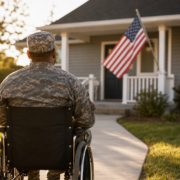
Veterans’ financial challenges in the first quarter became especially acute for those without college degrees who depend on hourly wages. The timing creates a vicious cycle – just when holiday debt payments come due, income drops significantly. Many veterans exhaust unemployment benefits during these months or discover they don’t qualify due to part-time status or recent job changes.
Increased Medical Expenses After Insurance Resets
January brings the annual reset of health insurance deductibles, creating immediate financial pressure for veterans with ongoing medical needs. A veteran who had met their deductible by November suddenly faces thousands of dollars in out-of-pocket expenses for the same treatments that were previously covered.
Prescription medications become particularly expensive as veterans restart their journey toward meeting new deductibles. Mental health counseling, physical therapy for service-connected injuries, and specialist visits that were affordable in December can cost hundreds of dollars per appointment in January.
Veterans who rely on both VA healthcare and private insurance often face coverage gaps during the transition period. Coordination between systems can take weeks, leaving veterans responsible for the full costs of essential treatments. Veteran assistance programs become vital lifelines during this period, when medical expenses spike and holiday debt pressures mount.
Housing Costs and Utility Bill Spikes
Winter heating bills create staggering expenses for veterans living in older, poorly insulated housing. Many veterans rent apartments or homes without energy-efficient features, resulting in utility bills that can double or triple during cold months. A veteran paying $80 for electricity in September might face a $300 bill in February.
Property managers often implement rent increases at the start of the year, adding another layer of financial stress. Veterans on fixed incomes or those experiencing reduced work hours struggle to absorb these increases while managing other first-quarter financial pressures.
Home maintenance issues peak during winter months, requiring emergency repairs that can’t be delayed. Frozen pipes, heating system failures, and roof leaks can lead to unexpected expenses that quickly exceed thousands of dollars. Veterans without emergency savings face impossible choices between essential repairs and other financial obligations.
The combination of higher utility costs, potential rent increases, and emergency repairs creates a housing affordability crisis that peaks in the first quarter of each year, making early-year veteran support programs essential to maintaining housing stability.
Mental Health Vulnerabilities Peak in Early Winter Months
Post-Holiday Depression and Isolation Effects
The weeks following major holidays create a perfect storm of emotional challenges for many veterans. After the forced cheerfulness and family gatherings of the holiday season, January brings a sharp contrast that can trigger deep feelings of emptiness and disconnection. Veterans often struggle with the transition from structured military life to civilian holidays, where expectations of joy and celebration can feel overwhelming or artificial.
Many veterans report feeling like outsiders during family celebrations, unable to relate to civilian conversations or feeling guilty about their combat experiences, while others discuss everyday concerns. When the holidays end, this sense of isolation intensifies. The sudden quiet after weeks of social obligations can leave veterans alone with their thoughts, creating space for depression and anxiety to flourish.
Veteran mental health support winter programs recognize that this period requires specialized attention. The contrast between holiday expectations and reality becomes particularly stark for veterans dealing with PTSD, survivor’s guilt, or adjustment disorders. Social media amplifies these feelings as veterans see curated images of perfect family moments while struggling with their own emotional battles.
The post-holiday crash affects sleep patterns, appetite, and motivation levels. Veterans who maintained routines during the holidays may find themselves unable to get out of bed or engage in basic self-care. This period demands immediate intervention from veteran assistance programs that understand the unique challenges military personnel face during emotional transitions.
Seasonal Affective Disorder Impact on Military Veterans
Seasonal Affective Disorder (SAD) strikes veterans with particular intensity during the dark months of January through March. Military training emphasizes resilience and mental toughness, making it difficult for many veterans to recognize or admit when seasonal depression affects their daily functioning. The shortened daylight hours and gray winter days trigger biochemical changes that compound existing mental health challenges.
Veterans living in northern climates experience the most severe symptoms, but even those in sunnier regions struggle with the psychological weight of winter months. The structured environment of military service often provided consistent schedules and purpose, helping manage seasonal mood changes. Without this framework, civilian veterans must navigate SAD symptoms while managing work, family, and other responsibilities.
Sleep disturbances become particularly problematic during this period. Many veterans already struggle with insomnia or nightmares related to their service, and SAD exacerbates these issues. The combination of disrupted sleep patterns and decreased sunlight creates a cycle where energy levels plummet and depression deepens.
Veteran mental health support winter initiatives focus on light therapy, exercise programs, and peer support groups specifically designed for these months. Veterans who served in deployment locations with extreme weather conditions may find that the winter months trigger memories of challenging operational environments, adding another layer to their seasonal struggles.
Anniversary Dates and Deployment-Related Triggers
The early months of the year include significant dates for many veterans, which can trigger intense emotional responses. Combat deployments, training accidents, and losses of fellow service members often occurred during winter months, making January through March particularly difficult anniversary periods. These dates don’t just mark calendar events – they reopen emotional wounds that may have begun healing.
Anniversary reactions can manifest weeks before the actual date arrives. Veterans may experience increased nightmares, hypervigilance, or emotional numbness without initially connecting these symptoms to approaching anniversary dates. The combination of seasonal depression and anniversary stress creates compound trauma responses that require immediate professional intervention.
Military families also struggle during these periods, as they remember deployments that separated them from loved ones or traumatic events that affected their veteran family member. Children of veterans may not understand why their parents become withdrawn or irritable during certain times of the year, creating family stress that ripples through households.
Veteran assistance programs must recognize that anniversary reactions don’t follow neat timelines. A veteran might struggle for weeks surrounding the anniversary of a difficult deployment or the loss of a battle buddy. These programs need flexibility to provide intensive support during these periods, offering everything from crisis counseling to practical assistance with daily tasks when emotional triggers become overwhelming.
The winter months also mark the anniversary of many veterans’ transitions out of military service, adding another layer of potential emotional difficulty. The combination of service-related trauma anniversaries and the anniversary of leaving military structure can create complex emotional challenges that require specialized understanding and support.
Critical Benefit Enrollment Periods Require Immediate Support
VA Healthcare Open Enrollment Deadlines
The window for VA healthcare enrollment runs from October through the end of February, making January and February critical months for veterans seeking coverage. Missing this deadline means waiting an entire year for another chance, potentially leaving veterans without essential medical care when they need it most. Veterans with higher incomes or certain discharge statuses face particularly tight deadlines, as priority groups determine enrollment eligibility.
Many veterans don’t realize that even those previously enrolled need to update their information annually. Changes in income, updates to family status, and address changes all require prompt attention in the early months. Veteran assistance programs are invaluable during this period, helping veterans navigate complex priority group classifications and ensuring applications are submitted correctly before deadlines pass.
Disability Compensation Reviews and Updates
February through April marks peak season for disability compensation reviews, with the VA conducting thousands of re-evaluations during this timeframe. Veterans receiving temporary disability ratings are subject to mandatory examinations, while those with permanent ratings may still face review requests. The paperwork alone can overwhelm veterans already dealing with health challenges.
Veterans’ financial help from January through March often centers around these compensation reviews. A reduction in disability rating can mean significant income loss, affecting housing payments, medical care, and daily living expenses. Veterans need immediate support gathering medical evidence, preparing for examinations, and understanding their rights during the review process.
Educational Benefits Semester Start Requirements
The spring semester brings urgent deadlines for enrolling in veteran benefits for educational programs. The GI Bill requires specific documentation and approval processes that can take weeks to complete. Veterans starting new programs or changing schools face particularly complex requirements, including enrollment certification, tuition payment arrangements, and housing allowance calculations.
January course registration deadlines often catch veterans unprepared, especially those transitioning from military service. Veterans’ community resources play a crucial role during these weeks, helping with school selection, benefit optimization, and addressing coverage gaps that could derail educational plans.
Housing Assistance Program Annual Renewals
HUD-VASH vouchers, supportive housing programs, and homeless prevention services all require annual renewals during the first quarter. These renewals require extensive documentation, income verification, and housing inspections, all to be completed within strict timeframes. Veterans risk losing housing assistance entirely if they miss renewal deadlines.
The complexity of housing assistance renewals often overwhelms veterans dealing with other challenges. Veteran support in the early years is essential to maintaining stable housing, as program administrators process hundreds of renewals simultaneously while managing reduced winter staffing levels.
Community Resources Experience Highest Demand Early Years
Food Banks and Emergency Assistance Overwhelm
The start of each year brings a perfect storm of need to veteran assistance programs across the country. Food banks specifically serving veterans see their shelves empty faster than they can be restocked during January through March. This surge happens because many veterans face mounting bills from holiday expenses, reduced hours at seasonal jobs, and the harsh reality of winter heating costs.
Local food pantries report serving 40-60% more veterans during these months than in summer. Demand becomes so intense that many programs must implement rationing or reduce the number of visits allowed per family. Veterans who typically rely on these services are competing with an influx of newly struggling families, resulting in longer lines and reduced availability.
Emergency financial assistance programs face similar pressures. Organizations such as the Veterans Community Fund and local VFW posts are seeing their emergency relief funds depleted rapidly. Requests are pouring in for assistance with utility bills, rent payments, and transportation costs. Many programs that typically approve emergency assistance within days are building waiting lists that stretch for weeks.
The strain also affects service quality. Case workers become overwhelmed, leading to shorter consultation times and less personalized assistance. Veterans who need help navigating multiple resources often get bounced between overloaded programs, making an already difficult situation more frustrating.
Job Training Programs Launch with Limited Capacity
Early-year timing creates unique challenges for veterans seeking career advancement through training programs. Many workforce development initiatives launch their new cohorts in January, but enrollment spots fill up within hours of opening. Veterans competing for these limited positions often face disappointment when programs that could change their career trajectory become unavailable.
The problem goes deeper than just numbers. Quality job training programs designed for veterans typically accept small groups to ensure individualized attention and high success rates. While this approach produces better outcomes, it results in hundreds of qualified veterans being turned away each cycle. The most sought-after programs in healthcare, technology, and skilled trades may accept only 15-20 participants per session.
Veterans transitioning from military service face particular challenges during this period. Those leaving active duty in December and January find themselves competing with veterans who have been planning their training for months. The timing mismatch between military discharge schedules and civilian training program start dates creates bottlenecks, leaving many veterans in limbo.
Geographic location compounds the problem. Rural veterans often discover that the nearest quality training program is hours away, and housing assistance or transportation support is equally limited. Urban veterans may have more program options but face stiffer competition from larger veteran populations concentrated in metropolitan areas.
Counseling Services Face Extended Wait Times
Mental health support is especially critical during the early winter months, yet this is precisely when veteran counseling services are most strained. The combination of seasonal depression, financial stress, and anniversary reactions to combat experiences creates unprecedented demand for therapeutic services.
VA mental health clinics report wait times extending from the typical 2-3 weeks to 6-8 weeks during January through March. Private counselors who specialize in veteran issues face similar backlogs. Many veterans in crisis find themselves on multiple waiting lists, hoping for an earlier opening while their mental health deteriorates.
The shortage becomes particularly acute for specialized services. Veterans dealing with PTSD, substance abuse, or family counseling needs often require therapists with specific training and experience. These specialists are already in short supply, and the seasonal surge in demand makes access even more challenging. Group therapy sessions fill to capacity, and many programs must create waitlists.
Telehealth options have helped somewhat, but technical barriers and privacy concerns limit their effectiveness for many veterans. Older veterans or those in rural areas with poor internet connectivity struggle with virtual appointments. The personal connection that many veterans need for effective therapy is harder to establish through a screen, leading some to delay treatment until in-person sessions become available.
Long-Term Success Depends on Early-Year Intervention
Preventing Crisis Situations Through Proactive Support
Early-year veteran intervention programs create a protective barrier against the cascading problems that often emerge when veterans struggle alone. When support arrives before situations reach critical levels, veterans maintain their housing, employment, and family relationships more effectively. Crisis prevention means addressing warning signs like mounting bills, increased isolation, or declining mental health before they snowball into emergencies requiring intensive intervention.
Veteran assistance programs that focus on January through March establish regular check-ins and monitoring systems. These programs connect veterans with case managers who can identify issues early, before they escalate into a crisis. By addressing financial stress early, providing mental health resources at the first signs of depression, and helping with basic needs like food and transportation, these services prevent the expensive and traumatic cycle of emergency interventions.
Building Sustainable Coping Strategies for the Year Ahead
The first quarter sets the foundation for how veterans will navigate challenges throughout the entire year. Early veteran mental health support helps develop practical tools like budgeting skills, stress management techniques, and problem-solving approaches that veterans can use independently. These aren’t temporary fixes but lasting skills that build resilience.
Effective programs teach veterans to recognize their own patterns and triggers. They learn to identify when financial stress is building, when social isolation is creeping in, or when old coping mechanisms are no longer effective. With these self-awareness skills in place, veterans become their own first line of defense against future problems. The coping strategies learned in January and February often determine whether a veteran will thrive or simply survive the rest of the year.
Connecting Veterans to Peer Support Networks
Nothing replaces the understanding that comes from someone who has walked the same path. Early-year support programs excel at connecting veterans with others who share similar experiences, backgrounds, or challenges. These peer connections often become lifelines during difficult moments throughout the year.
Veterans community resources work best when they create natural opportunities for veterans to meet and support each other. Group activities, shared volunteer projects, and informal gatherings help veterans build genuine friendships beyond formal support structures. Veterans who connect with peers early in the year report feeling less isolated and more motivated to engage with other services and opportunities.
These peer networks also provide practical benefits. Veterans share job leads, housing tips, and recommendations for everything from healthcare providers to reliable mechanics. This informal information sharing often proves more valuable than formal databases or directories.
Establishing Healthcare and Service Provider Relationships
Building trust with healthcare providers and service coordinators takes time, making early-year connections particularly valuable. Veterans who establish these relationships in January have months to develop comfort and rapport before potential crises arise later in the year. This foundation means better communication, more personalized care, and faster response times when urgent needs develop.
Veteran assistance works most effectively when veterans know their support team personally. Case managers, mental health counselors, benefits coordinators, and medical providers all become more effective when they understand each veteran’s unique situation, preferences, and goals. These relationships cannot be built overnight during a crisis – they require the steady development that comes from regular interaction over time.
Early establishment of these professional relationships also helps veterans navigate complex systems more successfully. Healthcare networks, benefits processes, and social services all become less intimidating when veterans have trusted guides who know their cases well. This familiarity reduces the anxiety and confusion that often prevent veterans from accessing the help they need.
The first quarter of each year creates a perfect storm of challenges for veterans. From crushing financial pressures after holiday spending to mental health struggles during the darkest winter months, this period tests even the strongest among our military heroes. Add in critical benefit enrollment deadlines and overwhelmed community resources, and it becomes clear why so many veterans slip through the cracks during these crucial months.
Early intervention during January through March can make the difference between a veteran thriving or merely surviving the rest of the year. When we provide targeted support during this vulnerable window, we set our veterans up for long-term success. If you know a veteran who might be struggling, reach out now. Connect them with local VA resources, mental health services, or community support groups. The help they receive today could transform their entire year ahead.
Operation Family Fund is a dedicated Wounded Veteran Charity providing financial relief and vital assistance to Injured Veterans and their loved ones. Our mission focuses on restoring independence, stability, and hope for those who’ve sacrificed in service. Explore updates, such as “Is the PACT Act Failing Our Heroes?“ The Truth About Veterans’ Benefits to learn more about how we continue to stand by our nation’s heroes.