Memorial Day 2026 Ceremonies and How Veteran Families Can Access Emergency Support
Understanding Memorial Day’s Sacred Purpose and 2026 Observances
Every year on the last Monday in May, Americans pause to honor those who made the ultimate sacrifice for our freedom. Memorial Day carries a weight that transcends barbecues and sales—it represents our nation’s solemn promise to never forget the men and women who died defending our way of life. For veteran families, this day holds particular significance, as they understand intimately the cost of service and the reality that some never made it home.
The 2026 Memorial Day observance comes at a time when veteran families continue to face unique challenges, from financial hardships to emotional struggles. Understanding the sacred nature of this holiday and the support available during difficult times becomes crucial for military families navigating their own battles at home.
The History and Meaning Behind Memorial Day Traditions
Memorial Day originated in the years following the Civil War, when communities began decorating graves of fallen soldiers with flowers and flags. Originally known as Decoration Day, the tradition spread across the nation as a way to honor the war dead. The practice evolved into a formal federal holiday in 1971, establishing the last Monday in May as our national day of remembrance.
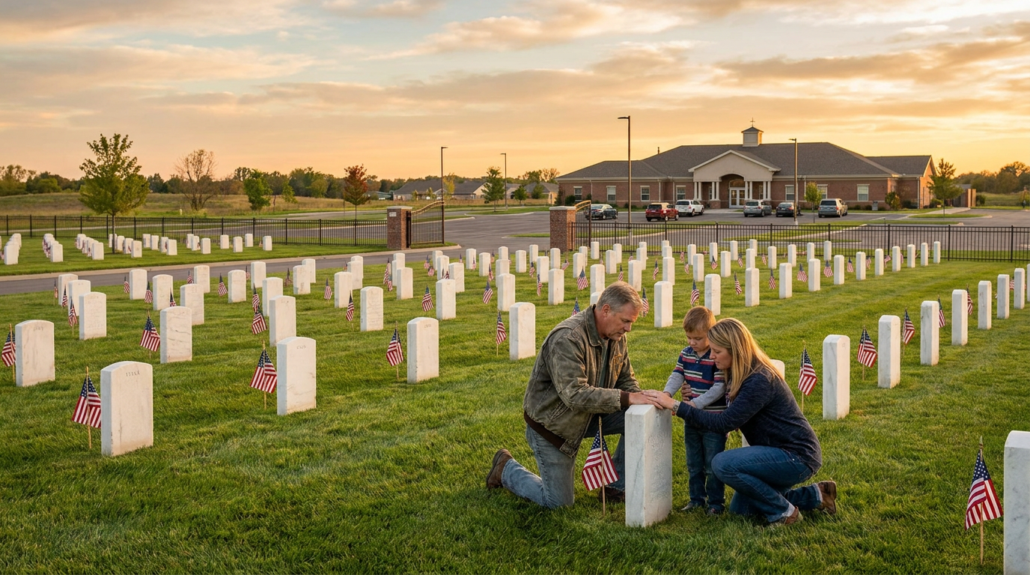
The poppy flower became an enduring symbol after World War I, inspired by the poem “In Flanders Fields.” Today, veterans’ organizations distribute artificial poppies leading up to Memorial Day, with proceeds supporting veteran families and programs. The tradition of placing American flags on gravesites continues in military cemeteries nationwide, creating powerful visual reminders of sacrifice.
Many families observe the National Moment of Remembrance at 3:00 PM local time, a minute of silence established in 2000. This simple act connects Americans across the country in a shared moment of gratitude and reflection, reminding us that freedom carries a price paid by others.
Major National Cemetery Ceremonies and Events Planned for 2026
Arlington National Cemetery will host the most prominent Memorial Day ceremony on May 25, 2026, featuring wreath-laying at the Tomb of the Unknown Soldier and remarks from military leadership. The ceremony typically draws thousands of visitors and receives national television coverage, serving as the focal point for America’s Memorial Day observance.
Normandy American Cemetery in France will conduct simultaneous ceremonies honoring D-Day veterans, while Pearl Harbor National Memorial in Hawaii will hold special observances recognizing those lost during the attack. These international ceremonies connect American families to our global military heritage and ongoing commitments abroad.
The Department of Veterans Affairs coordinates ceremonies at 150 national cemeteries across the country. Each location features local military honor guards, patriotic music, and opportunities for families to participate in wreath-laying ceremonies. Many locations also provide wreaths across america programs during the holiday season, extending remembrance throughout the year.
How Local Communities Honor Fallen Heroes
Small towns and cities across America organize Memorial Day parades, cemetery services, and community gatherings that bring neighbors together in remembrance. Local American Legion and VFW posts coordinate many of these events, ensuring fallen heroes from their communities receive proper recognition.
Community volunteers often spend weeks preparing local cemeteries, cleaning headstones and placing flags on veterans’ graves. These grassroots efforts demonstrate how Memorial Day traditions remain deeply personal and locally driven, despite the holiday’s national significance.
Many communities also use Memorial Day weekend to launch support initiatives for local veteran families. Food drives, fundraising events, and awareness campaigns for organizations that donate to injured often coincide with Memorial Day observances, connecting remembrance with ongoing support for those who served and survived.
The Difference Between Memorial Day and Veterans Day
While both holidays honor military service, Memorial Day specifically commemorates those who died in service to their country. Veterans Day in November celebrates all military veterans, living and deceased, acknowledging their service and sacrifice without the specific focus on war dead.
This distinction matters deeply to military families, who understand the difference between honoring sacrifice and celebrating survival. Memorial Day carries a more solemn tone, focusing on loss and remembrance rather than celebration. Understanding this difference helps communities approach the holiday with appropriate reverence.
For veteran families facing current struggles, Memorial Day can trigger complex emotions. The holiday simultaneously honors their fallen comrades while highlighting their own ongoing challenges. Programs that provide support during military recognize these emotional complexities and offer resources when families need them most.
Finding and Participating in Memorial Day Ceremonies Near You
Locating Official Cemetery Services and Community Events
National cemeteries across the country host formal Memorial Day ceremonies that provide veteran families with meaningful opportunities to honor fallen service members. The Department of Veterans Affairs maintains a comprehensive list of participating cemeteries, with Arlington National Cemetery serving as the flagship location for the national ceremony. Most ceremonies begin between 10:00 AM and 11:00 AM, featuring military honor guards, wreath-laying ceremonies, and guest speakers.
Local VFW posts and American Legion chapters organize community-based Memorial Day events that often feel more intimate than large national ceremonies. These gatherings typically include parades, memorial services at local veterans’ monuments, and family-friendly activities. Veterans Service Organizations (VSOs) in your area can provide specific details about timing, parking, and accessibility accommodations for family members with mobility challenges.
State veterans’ departments publish annual Memorial Day event calendars, usually available by early April. Military bases with public access also host ceremonies that welcome veteran families, offering opportunities to connect with active-duty personnel and fellow military families. Many communities coordinate multiple events throughout the weekend, allowing families to participate in several commemorative activities.
Virtual and Hybrid Ceremony Options for Distant Families
Technology has transformed Memorial Day observances, making it possible for veteran families to participate regardless of geographic location or mobility restrictions. Arlington National Cemetery streams its annual ceremony live, while many state and local events now offer virtual attendance options through social media platforms and dedicated websites.
Hybrid ceremonies combine in-person and virtual elements, allowing remote family members to submit tribute videos or participate in online remembrance walls. Some organizations coordinate synchronized moments of silence across multiple locations, creating shared experiences despite physical distance. These virtual options prove especially valuable for families dealing with medical challenges or financial constraints that limit travel.
Military families stationed overseas can access special virtual programming designed for different time zones. The Department of Defense coordinates international Memorial Day observances at overseas bases, with many ceremonies available for streaming to family members in the United States. Social media groups dedicated to specific military units often organize virtual memorial gatherings that strengthen community bonds across continents.
Planning ahead becomes crucial for virtual participation, as popular streams may experience technical difficulties during peak viewing times. Many organizations now archive ceremony recordings, ensuring families can participate at convenient times while still honoring the day’s significance.
Bringing Children to Memorial Services: What to Expect
Memorial Day ceremonies offer valuable educational opportunities for military children, though preparation helps ensure positive experiences. Most formal ceremonies last between 45 minutes and two hours, with younger children benefiting from advance discussions about appropriate behavior and the ceremony’s purpose. Many events include interactive elements like flag-folding demonstrations or military equipment displays that engage young attendees.
Family seating areas at larger ceremonies accommodate parents with small children, while volunteer coordinators often provide activity packets or quiet spaces for breaks. Weather considerations become important for outdoor events, with families advised to bring portable chairs, sun protection, and water bottles. Some ceremonies offer childcare services or family-specific programming during portions that may challenge younger attention spans.
Teaching moments emerge naturally during ceremonies, as children observe military traditions like the playing of “Taps” or the presentation of colors. Many veteran families find that participating in these events helps children understand their family’s military legacy and the significance of service sacrifice. Post-ceremony activities often include opportunities for children to thank veterans personally or place flowers on graves.
Volunteer Opportunities During Memorial Day Weekend
Memorial Day weekend presents numerous volunteer opportunities that allow veteran families to give back while honoring fallen comrades. Cemetery preparation activities begin weeks before the holiday, with volunteers needed for grave decoration, flag placement, and grounds maintenance. These hands-on activities provide therapeutic benefits for many veteran families while creating lasting community connections.
Event support roles include greeting attendees, distributing programs, and assisting with accessibility needs during ceremonies. Veterans with specialized skills might volunteer as honor guard members or speakers for local events. Many veteran families discover during Memorial Day weekend helps process their own experiences while supporting others in similar situations.
Community outreach projects extend Memorial Day’s impact beyond ceremony attendance. Food drives, care package assembly, and support activities for veteran families experiencing financial hardship provide meaningful ways to honor military sacrifice through service to others. These volunteer opportunities often connect families with ongoing support networks that extend throughout the year, creating valuable resources for times when emergency assistance becomes necessary.
Honoring Your Loved One: Personal Remembrance Ideas
Creating Meaningful Graveside Tributes and Displays
Memorial Day 2026 offers families a special opportunity to create lasting tributes at gravesites that honor their veteran’s service and sacrifice. Simple yet meaningful displays can transform a quiet moment of remembrance into a powerful celebration of their life and dedication to country.
Consider bringing items that reflect their military branch or unit insignia alongside fresh flowers. Many families find comfort in placing small American flags, challenge coins, or photographs from their service years. These personal touches create a connection between their military identity and the family they loved.
Weather-resistant memorial items work best for extended display periods. Laminated service photos, engraved stones with their rank and dates of service, or small planted arrangements can withstand spring weather while maintaining their dignity throughout the memorial period.
Coordinate with cemetery staff about their decoration policies before Memorial Day weekend. Most facilities welcome appropriate military honors but may have specific guidelines about timing, materials, or removal dates that help maintain the sacred nature of the grounds.
Organizing Family Memorial Gatherings
Family gatherings during Memorial Day 2026 can strengthen bonds while creating space for shared remembrance of your loved one’s service. These intimate ceremonies often become the foundation for healing conversations that might not happen during everyday interactions.
Start planning early by reaching out to extended family members who may want to participate. Consider hosting a potluck meal where everyone brings a dish that reminds them of your veteran, or organize a storytelling circle where different family members share specific memories from various periods of their life.
Create a memory table displaying military awards, service photos, letters, and personal items that represent different aspects of their character. This visual centerpiece naturally draws people into conversations about their achievements, personality, and the impact they had on others.
Document these gatherings through photos and videos for family members who cannot attend. Recording stories shared during these meaningful conversations preserves precious memories that might otherwise be lost as time passes.
Starting New Traditions to Keep Their Memory Alive
Memorial Day 2026 presents the perfect opportunity to establish annual traditions that honor your veteran while creating positive experiences for surviving family members. New traditions help transform grief into purposeful action and ongoing connection.
Consider starting a scholarship fund in their name for military families pursuing education, or organize annual volunteer activities at local veteran organizations. These service-oriented traditions reflect military values while creating meaningful ways for family members to contribute to causes they cared about.
Establish annual memorial activities that bring joy alongside remembrance. Some families organize charity walks, host barbecues for other military families, or participate in community Memorial Day parades carrying photos or banners honoring their loved one.
Create digital traditions through social media memorial pages where family and friends can share annual tributes, photos, and stories. These online spaces become gathering places for those separated by distance but united in their desire to honor your veteran’s memory and impact.
Sharing Stories and Photos with Future Generations
Preserving your veteran’s stories and photographs ensures that grandchildren and future generations understand the sacrifice and service that shaped their family history. Memorial Day 2026 offers a natural starting point for these important preservation efforts.
Organize family photo collections into chronological albums that tell the story of their military service alongside their civilian life. Include deployment photos, homecoming celebrations, military ceremonies, and everyday moments that capture their personality beyond their service record.
Interview older family members who have stories about your veteran that younger generations haven’t heard. Record these conversations on your phone or video camera, creating an oral history archive that captures not just facts but emotions, humor, and personal insights about their character.
Encourage children and teenagers to research their veteran’s military history, including the conflicts they served in, their unit’s mission, and the historical context of their service. This educational approach helps younger family members understand the broader significance of their loved one’s contributions while maintaining personal connection to family stories and military heritage.
Compile these materials into memory books, digital presentations, or family websites that can be easily shared and updated as new stories emerge or family milestones occur.
Emergency Financial Support Resources for Veteran Families
Immediate Crisis Assistance Programs and Eligibility
When veteran families face sudden financial emergencies, especially during Memorial Day weekend when many services are closed, knowing which programs offer immediate assistance can mean the difference between stability and crisis. Emergency financial support programs typically categorize situations based on urgency and impact on family safety.
Most immediate assistance programs define crisis situations as threats to basic shelter, utilities, food security, or medical needs within 72 hours. Veterans experiencing job loss, medical emergencies, or unexpected major expenses often qualify for expedited support. The key eligibility factor across programs involves demonstrating both immediate need and inability to resolve the crisis through other means.
Veterans with honorable discharge status generally have access to the broadest range of emergency programs. However, many organizations also extend support to veterans with other-than-honorable discharges, recognizing that financial emergencies affect all service members regardless of discharge status. Documentation requirements vary, but most programs require DD-214 verification and proof of the immediate financial need.
Processing times for emergency assistance typically range from 24 to 72 hours, though some programs offer same-day approval for qualifying crises. Organizations that specialize in veteran support often maintain emergency funds specifically for holiday periods when traditional support systems may be unavailable.
Housing and Utility Emergency Support Options
Housing emergencies represent the most common crisis faced by veteran families, particularly during economic downturns or unexpected life events. Emergency housing support encompasses rent assistance, mortgage intervention, and utility restoration programs designed to prevent homelessness and maintain family stability.
Rent assistance programs typically cover one to three months of payments, depending on the organization and available funding. These programs often require landlord participation and may include direct payments to property management companies. Veterans facing eviction notices usually receive priority processing, especially when children are involved in the household.
Utility emergency programs address immediate disconnection threats for essential services including electricity, gas, water, and heating. Many programs focus on preventing shutoffs rather than reconnection, making early application crucial. During Memorial Day weekend, when utility companies may have limited staffing, having emergency contacts for these programs becomes particularly important.
Temporary housing assistance includes hotel vouchers, transitional housing placement, and emergency shelter coordination. These programs serve as bridges while families work toward permanent housing solutions. Organizations like Operation Family Fund maintain networks with local providers to ensure veteran families have access to safe, temporary accommodation during crises.
Food Security and Basic Needs Programs
Food insecurity affects veteran families at disproportionate rates, making emergency food assistance programs essential components of comprehensive support systems. These programs address immediate hunger while connecting families to longer-term food security resources.
Emergency food programs include direct food distribution, grocery vouchers, and restaurant meal programs. Many organizations maintain emergency food pantries specifically stocked for crisis situations, with shelf-stable items that can sustain families for several days. Some programs also provide baby formula, diapers, and other essential items for families with young children.
Basic needs assistance extends beyond food to include clothing, personal hygiene items, and school supplies for children. These programs recognize that financial crises often affect multiple areas of family life simultaneously. Veterans can access emergency clothing for job interviews, medical appointments, or basic daily needs through specialized distribution programs.
Transportation assistance helps veteran families maintain employment, attend medical appointments, and access other support services. This might include bus passes, gas cards, or vehicle repair assistance. Emergency transportation support becomes particularly crucial when families are displaced from their primary residence.
How to Apply for Emergency Funds During Holiday Periods
Holiday periods, including Memorial Day weekend, present unique challenges for accessing emergency assistance due to modified schedules and reduced staffing at many organizations. Understanding application processes and maintaining proper documentation helps ensure veteran families can access support when traditional business hours don’t align with crisis timing.
Most emergency assistance applications can be initiated online or through 24-hour hotlines, allowing families to begin the process regardless of business hours. Online applications typically require basic personal information, military service verification, and detailed description of the emergency situation. Having digital copies of important documents readily available speeds the application process significantly.
Emergency contact lists should include multiple organizations, as funding availability varies and some programs may be temporarily unavailable during holidays. Veterans should maintain contact information for national organizations, local veteran service organizations, and emergency assistance programs in their immediate area.
Organizations that offer direct contact options during holidays provide crucial safety nets for veteran families experiencing time-sensitive emergencies. These programs often maintain emergency funds specifically designated for holiday periods when other resources may be limited.
Mental Health and Emotional Support During Difficult Times
Recognizing Signs of Crisis in Family Members
Memorial Day can trigger intense emotional responses in veteran families, and recognizing early warning signs becomes critical for preventing deeper mental health crises. Military families often experience grief differently than civilian families, carrying the weight of service-connected losses alongside personal family struggles.
Watch for changes in sleep patterns, particularly nightmares or insomnia that coincide with Memorial Day approaches. Veterans may experience increased irritability, social withdrawal, or sudden changes in alcohol consumption. Family members, especially spouses and children, might show signs of secondary trauma through anxiety, depression, or behavioral changes at school or work.
Physical symptoms often accompany emotional distress in military families. Headaches, stomach problems, and unexplained fatigue can signal underlying mental health challenges. Children of veterans may regress in behavior, experience difficulty concentrating, or express fears about their veteran parent’s safety even during peacetime.
Trust your instincts when something feels different. Military families develop strong bonds, and family members often sense when a loved one is struggling before obvious symptoms appear. Creating open communication channels means everyone feels safe discussing their emotional state without judgment.
24/7 Mental Health Hotlines and Crisis Resources
Veterans Crisis Line provides immediate support at 1-800-273-8255, with specialized counselors who understand military culture and service-related trauma. This hotline offers text and chat options, making it accessible for veterans who prefer written communication during crisis moments.
The Military Family Life Counseling Program connects families with non-medical counselors who understand deployment stress, reintegration challenges, and military lifestyle demands. These counselors work within military communities and often have evening and weekend availability during high-stress periods like Memorial Day weekend.
SAMHSA’s National Helpline (1-800-662-4357) provides confidential, free treatment referrals for mental health and substance abuse issues affecting military families. Their database includes providers experienced with TRICARE and veteran-specific insurance coverage, reducing barriers to accessing professional help.
Many organizations maintain crisis text lines specifically for military families. Text “MIL1” to 741741 to connect with crisis counselors trained in military culture. These services often experience higher demand during significant military observance periods, so having multiple contact options ensures families can access support when needed most.
Grief Counseling Services Specifically for Military Families
Military families face unique grief experiences that civilian counselors may not fully understand. Gold Star families, those who lost a service member, need specialized support that acknowledges the complexity of military loss and the ongoing relationship with the military community.
Tragedy Assistance Program for Survivors (TAPS) offers comprehensive grief support services including peer mentoring, retreats, and online support groups. Their counselors understand military protocol, benefits issues, and the specific challenges faced by surviving military family members navigating both grief and military bureaucracy.
Many VA Medical Centers offer specialized grief counseling that integrates with other veteran services. These programs often include family therapy options that address how military service affects entire family systems, not just the veteran. Working with assistance programs can help cover therapy costs when insurance coverage is insufficient.
Community-based military family service organizations frequently partner with licensed therapists who offer sliding-scale fees for military families. These partnerships ensure grief counseling remains accessible even when families face financial hardship alongside emotional trauma.
Support Groups and Peer Networks in Your Area
Local American Legion and VFW posts often host support groups specifically for military families dealing with loss and trauma. These groups meet regularly and provide ongoing peer support that extends beyond crisis moments, creating lasting community connections for isolated military families.
Military Family Support Groups meet in most communities with significant veteran populations. These groups focus on practical support alongside emotional care, helping families navigate benefits, healthcare, and daily challenges while processing grief and trauma together.
Online support networks complement in-person groups, particularly valuable for military families in rural areas or those with mobility challenges. Facebook groups, Discord servers, and specialized military family platforms create 24/7 peer support networks where families share resources and emotional support.
Many communities organize special Memorial Day events that combine remembrance with support services. These gatherings often include resource fairs, peer support opportunities, and connections to local mental health services, creating natural entry points for families needing additional support during difficult times.
Navigating Benefits and Long-term Family Support
Understanding Survivor Benefits and Compensation
When a service member makes the ultimate sacrifice, their families face both emotional devastation and immediate financial uncertainty. The Department of Veterans Affairs provides several compensation programs specifically designed to support surviving family members during this difficult transition.
Dependency and Indemnity Compensation (DIC) serves as the primary monthly benefit for surviving spouses and children. As of 2024, this benefit provides $1,612.75 monthly to eligible surviving spouses, with additional amounts for dependent children. The application process requires careful documentation, including the veteran’s service records and cause of death determination.
Surviving spouses may also qualify for additional compensation if they require aid and attendance or are housebound. These supplemental benefits recognize the extra costs families face when caring for disabled family members or managing household responsibilities alone.
Many families don’t realize they might be eligible for retroactive payments dating back to the veteran’s death. Professional assistance from ridgecrest veterans advisory representatives can help navigate these complex applications and ensure families receive every benefit they’ve earned.
Educational Assistance for Children and Spouses
The Survivors’ and Dependents’ Educational Assistance Program (Chapter 35) opens doors for family members to pursue higher education, vocational training, and professional development. This program provides up to 45 months of education benefits to eligible dependents of veterans who died from service-connected conditions.
Monthly education benefits cover tuition, books, and living expenses, helping families invest in their future during a time when traditional income sources may be disrupted. Surviving spouses have 20 years from the veteran’s death date to use these benefits, while children typically have until age 26.
The Fry Scholarship represents another valuable education benefit for survivors of service members who died in the line of duty after September 10, 2001. This program provides the same benefits as the Post-9/11 GI Bill, including full tuition coverage at public universities and substantial private school allowances.
Beyond federal programs, many states offer additional education benefits for survivors. These might include in-state tuition waivers, scholarship programs, or reduced-cost vocational training specifically designed for military families.
Healthcare Access and Coverage Options
Healthcare coverage becomes a critical concern for surviving family members who previously relied on military healthcare systems. The Civilian Health and Medical Program of the Department of Veterans Affairs (CHAMPVA) provides comprehensive healthcare coverage for eligible survivors.
CHAMPVA covers most healthcare services, including hospital care, medical services, mental health care, prescription drugs, and durable medical equipment. The program typically covers 75% of allowable costs after a small deductible, making healthcare more affordable during a financially challenging time.
For families with young children, understanding pediatric care options and finding providers who accept CHAMPVA becomes essential. Many surviving parents worry about continuity of care, especially if children have ongoing medical needs or require specialized treatment.
Mental health services deserve particular attention during this period. CHAMPVA covers counseling and psychiatric services, recognizing that grief and trauma require professional support. Many families benefit from connecting with counselors who specialize in military family experiences and bereavement.
Career Transition and Job Training Resources
Surviving spouses often face the challenge of entering or re-entering the workforce while managing their grief and family responsibilities. The Department of Labor provides several programs specifically designed to support military spouses in career development and job placement.
The Military Spouse Employment Partnership connects surviving spouses with employers who understand military family experiences and offer flexible work arrangements. These companies recognize the unique skills military spouses develop and provide career advancement opportunities.
Vocational rehabilitation programs help survivors develop new skills or update existing qualifications for today’s job market. These programs might cover everything from computer training to professional certifications, depending on individual career goals and local employment opportunities.
During Memorial Day 2026 commemorative events, many families will reflect on their ongoing journey of rebuilding their lives while honoring their loved one’s memory. The path forward requires both courage and practical support systems that recognize the ongoing needs of those left behind. Organizations that understand this delicate balance between honoring the past and building toward the future provide invaluable assistance to families navigating these complex transitions. When you choose to donate to injured and their families, you become part of a community committed to ensuring no military family faces these challenges alone, creating lasting support that extends far beyond any single ceremony or remembrance day.








Leave a Reply
Want to join the discussion?Feel free to contribute!